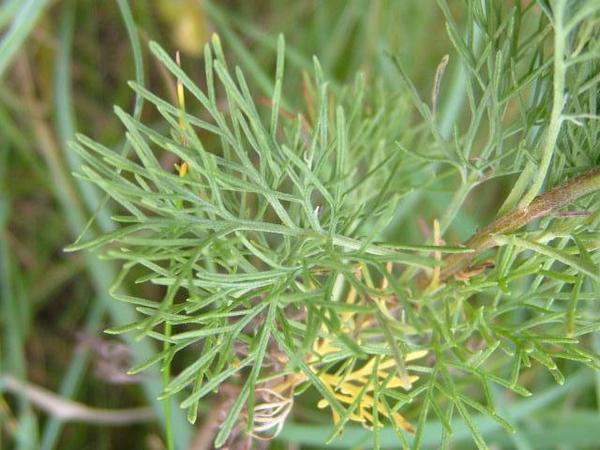
Abrotanum
Artemisia abrotanum · Southernwood, lady’s love, old man,Artemisia abrotanum · Plant · Asteraceae
People for whom Abrotanum is best suited tend to be anxious and depressed. They may feel dull of mind and become easily fatigued when speaking or studying. Alternatively, they can be irritable, excited, and violent, and have an urge to shout.
Key symptoms include emaciation and debilitation of the lower limbs, possibly in children who fail to thrive, or due to polio. A classic feature of Abrotanum is that certain symptoms die away rapidly and are immediately replaced by other symptoms. For example, chest symptoms may develop after skin eruptions have failed to come out, heart disease develops following the suppression of rheumatic symptoms, or mumps is transferred from the parotid glands to the testes.
Key symptoms
- Marasmus with emaciation of lower extremities despite good appetite
- Metastasis: symptoms shift from one organ to another
- Rheumatism following checked or suppressed diarrhoea
- Haemorrhoids worsen as rheumatic pains improve
- Tuberculous peritonitis and exudative pleurisy
- Appetite good but emaciation progresses; food passes undigested
- Cross, irritable, anxious, and depressed
- Wrinkled, cold, dry, pale face with blue rings around dull eyes
- Legs greatly emaciated; joints stiff and lame
- Worse cold air and checked secretions; better motion
Worse (aggravation)
Better (amelioration)

Southernwood
A very useful remedy in marasmus, especially of lower extremities only, yet with good appetite. Metastasis. Rheumatism following checked diarrhœa. Ill effects of suppressed conditions especially in gouty subjects. Tuberculous peritonitis. Exudative pleurisy and other exudative processes. After operation upon the chest for hydrothorax or empyæmia, a pressing sensation remains. Aggravation of hæmorrhoids when rheumatism improves. Nosebleed and hydrocele in boys.
Great weakness after influenza (Kali phos).
Mind
Cross, irritable, anxious, depressed.
Face
Wrinkled, cold, dry, pale. Blue rings around dull-looking eyes. Comedones, with emaciation. Nosebleed. Angioma of the face.
Stomach
Slimy taste. Appetite good, but emaciation progresses. Food passes undigested. Pain in stomach; worse at night; cutting, gnawing pain. Stomach feels as if swimming in water; feels cold. Gnawing hunger and whining. Indigestion, with vomiting of large quantities of offensive fluid.
Abdomen
Hard lumps in abdomen. Distended. Alternate diarrhœa and constipation. Hæmorrhoids; frequent urging; bloody stools; worse as rheumatic pains abate. Ascarides. Oozing from umbilicus. Sensation as if bowels were sinking down.
Respiratory
Raw feeling. Impeded respiration. Dry cough following diarrhœa. Pain across chest; severe in region of heart.
Back
Neck so weak cannot hold head up. Back lame, weak, and painful. Pain in lumbar region extending along spermatic cord. Pain in sacrum, with hæmorrhoids.
Extremities
Pain in shoulders, arms, wrists, and ankles. Pricking and coldness in fingers and feet. Legs greatly emaciated. Joints stiff and lame. Painful contraction of limbs (Amm mur).
Skin
Eruptions come out on face; are suppressed, and the skin becomes purplish. Skin flabby and loose. Furuncles. Falling out of hair. Itching chilblains.
Modalities
Worse, cold air, checked secretions. Better, motion.
Relationship
Compare: Scrophularia; Bryonia; Stellaria; Benzoic acid, in gout. Iodine, Natr mur in marasmus.
Dose
Third to thirtieth potency.
Introduction
This a very valuable remedy should be more frequently used. It is indicated in such conditions as are cured by Bryonia and Rhustox., but its symptoms mark out its own individual cases.
Rheumatic conditions with heart irritation; epistaxis; bloody urine; anxiety and trembling, when there has been a history of diarrhoea. A suddenly checked diarrhoea will be followed by violent cardiac symptoms; it is much like Ledum, Aurum and Kalmia.
Marasmus
In marasmus of children it is a very useful remedy and not unfrequently indicated. The emaciation begins in the lower limbs and gradually spreads upward, so that the face is the last affected; that is the opposite of Lycopodium, Natrum mur. and Psorinum.

Artemisia abrotanum. Lady's Love. Southernwood. (Southern Europe.) N. O. Compositæ. Tincture of fresh leaves and stems.
Clinical
Boils. Chilblains. Epilepsy. Gout. Hæmorrhoids. Hectic fever. Hydrocele. Indigestion. Lienteria. Marasmus. Myelitis, chronic. Nose-bleed. Paralysis. Rheumatism. Umbilicus, oozing from. Worms.
Characteristics
The most prominent symptom of Abrot. is the wasting it causes, most marked in lower extremities. It has also an intense indigestion and morbid appetite. There are burning, gnawing, constricting pains, and sometimes vomiting of offensive matters. A peculiar sensation is as if the stomach were hanging or swimming its water. After a checked diarrhœa, rheumatism may ensue. Another great characteristic of Abrot. is metastasis; metastatic rheumatism. Metastasis of rheumatism from joints to heart; to spine. There is a sudden aching pain in back > by motion. Symptoms are < at night and in cold air. The face is wrinkled, pale, old-looking; feels cold; blue rings round eyes. It is suited …

Southernwood. (Compositae.)
Alternate constipation and diarrhoea; lineteria. Marasmus of children with marked emaciation, especially of legs (Iod., Sanic., Tub.); the skin is flabby and hangs loose in folds (of neck, Nat. m., Sanic.). In marasmus head weak, cannot hold it up. (Aeth.). Marasmus of lower extremities only. Ravenous hunger; loosing flesh while eating well (Iod., Nat. m., Sanic., Tub.). Painful contractions of the limbs from cramps or following colic. Rheumatism; for the excessive pain before the swelling commences; from suddenly-checked diarrhoea or other secretions; alternates with haemorrhoids, with dysentery. Gout; joints stiff, swollen, with pricking sensation; wrists and ankle-joints painful and inflamed. Very lame and sore all over. Itching chilblains (Agar.). Great weakness and prostration and a kind of hectic fever with children; unable to stand. Child is ill-natured, irritable, cross and despondent; violent, inhuman, would like to do something cruel. Face old, pale, wrinkled (Op.).

Anus and Stool
Alternate diarrhoea and rheumatism (metastatic rheumatism).
Generalities
Marasmus of children with marked emaciation, especially of legs; the skin is flabby and hangs loose in folds.

Phatak's chapter on Abrotanum is available in the app.
Read Phatak in the appClassical texts are in the public domain. Educational reference only — not medical advice.
