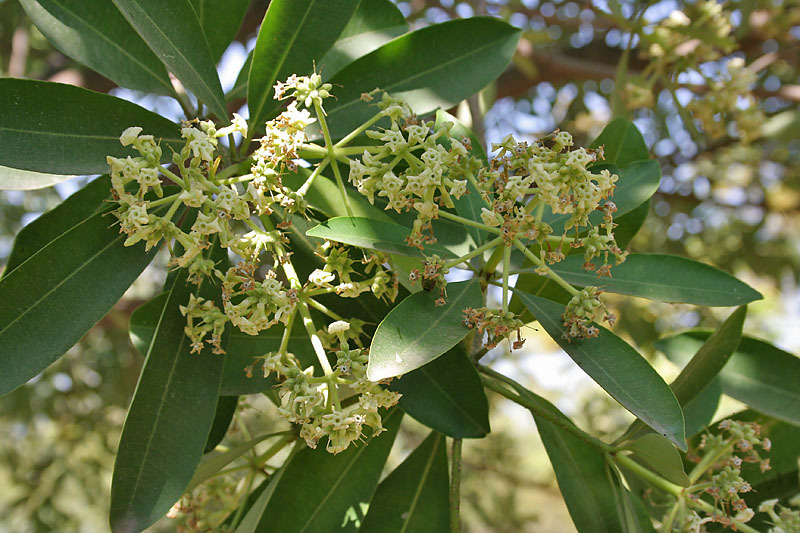
Alstonia scholaris
Plant · Apocynaceae
Alstonia Scholaris is suited to patients debilitated by malarial fevers, with feeble digestion, chronic diarrhoea, and anaemia. It serves as a tonic after exhausting fevers and is particularly indicated in dysenteric and diarrhoeal conditions arising from tropical environments or contaminated water.
Key symptoms
- Gone sensation in the stomach and sinking feeling in the abdomen with debility
- Debility from malarial diseases with anaemia and feeble digestion
- Violent purging and cramps in the bowels
- Diarrhoea of undigested food immediately after eating
- Painless watery stools
- Camp diarrhoea, bloody stool, dysentery from bad water or malaria
- Heat and irritation in lower bowels

Dita Bark
Malarial diseases, with diarrhœa, dysentery, anæmia, feeble digestion, are the general conditions suggesting this remedy. Characteristics are the gone sensation in stomach and sinking in abdomen, with debility. A tonic after exhausting fevers.
Abdomen
Violent purging and cramp in bowels. Heat and irritation in lower bowels. Camp diarrhœa, bloody stool, dysentery; diarrhœa from bad water and malaria. Painless watery stools (Phosph ac). Diarrhœa immediately after eating.
Relationship
Compare: Similar in action to Alstonia constricta, the bitter bark or native quinine of Australia. Ditain (active principle, is anti-periodic, like quinine, but without unpleasant effects). Cinchona (similar in diarrhœa, chronic dyspepsia and debility). Hydrastis; Fer cit et chin.
Dose
Tincture to third potency. Locally, for ulcers and rheumatic pains.
Classical texts are in the public domain. Educational reference only — not medical advice.
