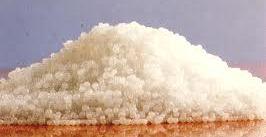
Ammonium carbonicum
Ammonium carbonate · Ammonium carbonate, sal volatile. · Mineral
This remedy is best suited to people who polarize between a fast, excitable, idealistic state and one that is absent-minded, confused, and chaotic. Their initial idealism may lead them to misjudge their own abilities, resulting in disappointment, resentment, or a feeling that they will never succeed.
These people typically search for values and beliefs as a means of establishing a structure and overview for their lives. If these structures begin to drop away, perhaps due to stress or illness, for example, they typically try to “battle on,” exhausted and muddled. They are sensitive to other people and to any distress they may be experiencing, but are also inclined to be challenging and disobedient. They have a tendency to be forgetful, gloomy, weepy, and bad-tempered, especially during cloudy weather.
Physical symptoms typically treated with Ammonium carb. include severe fatigue, skin eruptions, chesty respiratory conditions such as bronchitis, and problems generated by a sluggish circulation. It may also be used for scarlet fever.
Key symptoms
- mental sluggishness
- fatigue
- fainting and weakness
- breathlessness
- sense of compression in the chest
- person feels worse for cold and damp
Worse (aggravation)
- Cold and wet weather
- From washing and entering warm rooms
- At night, especially 3-4 am
- From ascending stairs or any effort
- Menses and suppressed discharges
- Lying on left side
- After eating
Better (amelioration)
- Dry weather
- Warm room and warmth in general
- Pressure
- Lying on abdomen
- In the evening

Carbonate of Ammonia (AMMONIUM CARB)
The diseased conditions met by this remedy are such as we find often in rather stout women who are always tired and weary, take cold easily, suffer from cholera-like symptoms before menses, lead a sedentary life, have a slow reaction generally, and are disposed to frequent use of the smelling-bottle. Too frequent and profuse menses. Mucous membranes of the respiratory organs are especially affected. Fat patients with weak heart, wheezing, feel suffocated. Very sensitive to cold air. Great aversion to water; cannot bear to touch it. Malignant scarlatina, with somnolence, swollen glands, dark red sore throat, faintly developed eruption. Uræmia. Heaviness in all organs. Uncleanness in bodily habits. Swelling of parts, glands, etc. Acid secretions. Prostration from trifles.
Mind
Forgetful, ill-humored, gloomy during stormy weather. Uncleanliness. Talking and hearing others talk affects greatly. Sad, weepy, unreasonable.
Head
Pulsating forehead; better, pressure and in warm room. Shocks through head.
Eyes
Burning of eyes with aversion to light. Eye-strain (Nat mur). Asthenopia. Sore canthi.
Ears
Hardness of hearing. Shocks through ears, eyes, and nose, when gnashing teeth.
Nose
Discharge of sharp, burning water. Stoppage at night, with long-continued coryza. Cannot breathe through nose. Snuffles of children. Epistaxis after washing and after eating. Ozæna, blows bloody mucus from nose. Tip of nose congested.
Face
Tetters around mouth. Boils and pustules, during menses. Corners of mouth sore, cracked, and burn.
Mouth
Great dryness of mouth and throat. Toothache. Pressing teeth together sends shocks through head, eyes, and ears. Vesicles on tongue. Taste sour; metallic. Cracking of jaw on chewing.
Throat
Enlarged tonsils and glands of neck. Burning pain all down throat. Tendency to gangrenous ulceration of tonsils. Diphtheria when nose is stopped up.
Stomach
Pain at pit of stomach, with heartburn, nausea, waterbrash, and chilliness. Great appetite, but easily satisfied. Flatulent dyspepsia.
Abdomen
Noise and pain in abdomen. Flatulent hernia. Stools difficult, hard, and knotty. Bleeding piles; worse during menses. Itching at anus. Protruding piles, worse after stool, better lying down.
Urine
Frequent desire; involuntary at night. Tenesmus of bladder. Urine white, sandy, bloody, copious, turbid and fetid.
Male
Itching and pain of scrotum and spermatic cords. Erection without desire. Seminal emissions.
Female
Itching, swelling and burning of pudendum. Leucorrhœa burning, acrid, watery. Aversion to the other sex. Menses too frequent, profuse, early, copious, clotted, black; colicky pains, and hard, difficult stool, with fatigue, especially of thighs; yawning and chilliness.
Respiratory
Hoarseness. Cough every morning about three o'clock, with dyspnœa, palpitation, burning in chest; worse ascending. Chest feels tired. Emphysema. Much oppression in breathing; worse after any effort, and entering warm room, or ascending even a few steps. Asthenic Pneumonia. Slow labored, stertorous breathing; bubbling sound. Winter catarrh, with slimy sputum and specks of blood. Pulmonary œdema.
Heart
Audible palpitation with fear, cold sweat, lachrymation, inability to speak, loud breathing and trembling hands. Heart weak, wakes with difficult breathing and palpitation.
Extremities
Tearing in joints relieved by heat of bed; inclination to stretch limbs. Hands cold and blue; distended veins. Fingers swell when arm is hanging down. Panaritium, deep-seated periosteal pain. Cramps in calves and soles. Big toe painful and swollen. Felons in the beginning. Heel painful on standing. Tearing in ankle and bones of feet, better when warm in bed.
Sleep
Sleepiness during the day. Starts from sleep strangling.
Skin
Violent itching and burning blisters. Scarlet rash. Miliary rash. Malignant scarlatina. Faintly developed eruptions from defective vitality. Erysipelas in the aged, with brain symptoms. Eczema in the bends of extremities, between legs, about anus and genitals.
Modalities
Worse, evenings, from cold, wet weather, wet applications, washing, and during 3 to 4 am, during menses. Better, lying on painful side and on stomach; in dry weather.
Relationship
Inimical to Lachesis. Similar in action.
Antidotes: Arnica; Camphor.
Compare: Rhus; Muriatic acid; Tartar emet.
Of use in poisoning by charcoal fumes.
Dose
Lower potencies deteriorate with age. Sixth potency best for general use.

Generalities
If we were practicing in the old-fashioned way and considered the wonderfully volatile nature of Ammonium carb. in some of its forms we would only look upon it as an agent to relieve fainting and simple affections and use it in the form of hartshorn to comfort old maids and some other women.
But Ammonium carb. is a deep-acting, constitutional medicine, an anti-psoric. It effects rapid blood changes, it disturbs the whole economy and it establishes a scorbutic constitution. Its fluids are all acrid.
The saliva becomes acrid and excoriates the lips, so that they crack in the corners and middle, and become raw and dry and scabby.
The eye-lids fester and become dry and cracked from the excoriating fluids from the eye.

Sal volatile. Sesqui carbonate of Ammonia. 2[(NH4)2 C03 CO2. Solution in distilled water.
Clinical
Asthma Bronchitis. Cough. Dislocations, pains from. Emphysema. Enuresis. Erysipelas. Gums, sensitive. Hæmorrhoids. Hysteria. Lungs, œdema of. Measles. Miliary eruptions. Nose affections. Parotitis. Rickets. Scarlatina. Spotted fever. Sprains. Sternum, pain on. Toothache. Uræmia. Whitlow.
Characteristics
Ammon. carb. is a right-side medicine and a venous medicine. A condition of under-oxygenation underlies a large proportion of symptoms. Consequently it is a chilly medicine with great sensitiveness to cold open air, < in wet, stormy weather; from washing; from wet poultice; > by warmth. It is suited to stout women who readily take cold in winter. < At night: 3 a.m. It is also hæmorrhagic. There is the scorbutic condition of bleeding gums. Bleeding from the nose, especially in the morning on washing; after a meal. Bleeding piles; at every menstrual period bleeding from rectum. The menses are premature and …

Smelling Salts. ((NH4O)2CO.)
Haemorrhagic diathesis, fluid blood and degeneration of red blood corpuscles; ulcerations tend to gangrene. Stout, fleshy women with various troubles in consequence of leading a sedentary life; delicate women who must have the "smelling-bottle" continually at hand; readily catch cold in the winter. Children dislike washing (Ant. c., Sulph.). Loses breath when falling asleep, must awaken to get breath (Grind., Lach.). Ill-humor during wet, stormy weather. Headache; sensation of fullness, as if forehead would burst (Bell., Glon.). Nosebleed: when washing the face (Arn., Mag. c.) and hands in the morning, from left nostril; after eating. Ozaena, blowing bloody mucus from the nose frequently; blood rushes to tip of nose, when stooping. Stoppage of nose, mostly at night; must breathe through the mouth, a keynote even in diphtheria; long lasting coryza; "snuffles" of infants (Hep., Nux, Samb., Sticta). Putrid sore throat; tendency to gangrenous ulceration of tonsils; glands …

Nose
Stoppage of nose, mostly at night; must breathe through the mouth.
Nose
Nose-bleed in the morning when washing the face.
Female Sexual Organs
Cholera-like symptoms at the beginning of menstruation.
Female Sexual Organs
At every menstrual period there is a discharge of blood from the bowels.
Skin
Malignant scarlatina, dark red, sore throat, parotid and cervical glands much swollen; skin red, with miliary rash or faintly developed eruptions.
Extremities
Panaritium, fingers inflamed, deep seated periosteal pain.
Constitution and Temperament
Delicate women who must always have a smelling bottle at hand.
-
Influenza: acrid, burning coryza, nose stopped up at night, must breathe through the mouth, hoarseness, dry cough, oppressed breathing.
-
Cholera-like symptoms at commencement of menses.

Phatak's chapter on Ammonium carbonicum is available in the app.
Read Phatak in the appClassical texts are in the public domain. Educational reference only — not medical advice.
