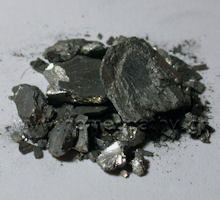
Antimonium tartaricum
Antimony potassium tartrate · Antimony potassium tartrate, tartar emetic,Tartarus stibiatus · Mineral
Antimonium tart. is appropriate for rather attention-seeking people who respond well to rest, comfort, and reassurance. The remedy also suits children who tend to complain unless they are carried around.
Illness often exhausts these individuals, making them feel restless, generally apathetic, and drowsy. Their energy levels may be so low that they are unable to cough up mucus and seem in danger of suffocating in their own secretions. They become irritable and averse to being bothered or disturbed by others, and dislike being touched or examined.
Typical symptoms include a lack of thirst, and profuse, cold sweat. Antimonium tart. is used for chest complaints, such as whooping cough, that are marked by the sound of mucus rattling in the chest. It is also given for headaches, nausea and vomiting, and skin problems such as acne, impetigo, and chicken pox.
Key symptoms
- loud rattling of mucus in the chest and a suffocating sensation
- increasing weakness
- dislike of physical examination
- lack of thirst
Worse (aggravation)
- Lying down
- In the evening and at night
- From warmth
- Damp, cold weather
Better (amelioration)
- Sitting up and expectoration
- Cold open air

Tartar Emetic. Tartrate of Antimony and Potash
Has many symptoms in common with Antimonium Crudum but also many peculiar to itself. Clinically, its therapeutic application has been confined largely to the treatment of respiratory diseases, rattling of mucus with little expectoration has been a guiding symptom. There is much drowsiness, debility and sweat characteristic of the drug, which group should always be more or less present, when the drug is prescribed. Gastric affections of drunkards and gouty subjects. Cholera morbus. Sensation of coldness in blood-vessels. Bilharziasis. Antimonium tart is homeopathic to dysuria, strangury, hæmaturia, albuminuria, catarrh of bladder and urethra, burning in rectum, bloody mucous stools, etc. Antimon tart acts indirectly on the parasites by stimulating the oxidizing action of the protective substance. By-effects following injection for Bilharziasis. Chills and contractures and pain in muscles.
Trembling of whole body, great prostration and faintness. Lumbago. Chills, contractures and muscular pains. Warts on glans penis.
Mind and Head
Vertigo alternates with drowsiness. Great despondency. Fear of being alone. Muttering, delirium, and stupor. Vertigo, with dullness and confusion. Band-like feeling over forehead. Face pale and sunken. Child will not be touched without whining. Headache as from a band compressing (Nit ac).
Tongue
Coated, pasty, thick white, with red edges. Red and dry, especially in the center. Brown.
Face
Cold, blue, pale; covered with cold sweat. Incessant quivering of chin and lower jaw (Gelsem).
Stomach
Difficult deglutition of liquids. Vomiting in any position, excepting lying on right side. Nausea, retching, and vomiting, especially after food, with deathly faintness and prostration. Thirst for cold water, little and often, and desire for apples, fruits, and acids generally. Nausea produces fear; with pressure in præcordial region, followed by headache with yawning and lachrymation and vomiting.
Abdomen
Spasmodic colic, much flatus. Pressure in abdomen, especially on stooping forward. Cholera morbus. Diarrhœa in eruptive diseases.
Urinary
Burning in urethra during and after urinating. Last drops bloody with pain in bladder. Urging increased. Catarrh of bladder and urethra. Stricture. Orchitis.
Respiratory Organs
Hoarseness. Great rattling of mucus, but very little is expectorated. Velvety feeling in chest. Burning sensation in chest, which ascends to throat. Rapid, short, difficult breathing; seems as if he would suffocate; must sit up. Emphysema of the aged. Coughing and gaping consecutively. Bronchial tubes overloaded with mucus. Cough excited by eating, with pain in chest and larynx. Œdema and impending paralysis of lungs. Much palpitation, with uncomfortable hot feeling. Pulse rapid, weak, trembling. Dizziness, with cough. Dyspnœa relieved by eructation. Cough and dyspnœa better lying on right side--(opposite Badiaga).
Back
Violent pain in sacro-lumbar region. Slightest effort to move may cause retching and cold, clammy sweat. Sensation of heavy weight at the coccyx, dragging downward all the time. Twitching of muscles; limbs tremulous.
Skin
Pustular eruption, leaving a bluish-red mark. Small-pox. Warts.
Fever
Coldness, trembling, and chilliness. Intense heat. Copious perspiration. Cold, clammy sweat, with great faintness. Intermittent fever with lethargic condition.
Sleep
Great drowsiness. On falling asleep electric-like shocks. Irresistible inclination to sleep with nearly all complaints.
Modalities
Worse, in evening; from lying down at night; from warmth; in damp cold weather; from all sour things and milk. Better, from sitting erect; from eructation and expectoration.
Relationship
Antidotes: Puls; Sepia.
Compare: Kali sulph; Ipecac.
Dose
Second and sixth trituration. The lower potencies sometimes aggravate.
Face
About the first thing we see in the study of an Antimonium tart. patient is expressed in the face.
The face is pale and sickly; the nose is drawn and shrunken; the eyes are sunken and there are dark rings around the eyes.
The lips are pale and shriveled. The nostrils are dilated and flapping, and there is a dark, sooty appearance inside of the nostrils.
The face is covered with a cold sweat and is cold and pale. The expression is that of suffering. The atmosphere of the room is pungent, more pungent than foetid or putrid, and makes you feel that death is in it.
The family is disturbed; they are going hither and thither, and the nurse is in an excited and busy state, and you enter upon this scene to make a homoeopathic prescription.

Tartar Emetic. Tartrate of Antimony and Potash 2[K (Sb O) C4 H4 O6] H2O. Trituration and solutions.
Clinical
Alcoholism. Aphthæ. Asphyxia neonatorium. Asthma. Bilious affections. Bronchitis. Catarrh. Chicken-pox. Cholera. Cholera morbus. Coccygodynia. Cough. Group. Delirium-Tremens. Dyspepsia. Ecthyma. Eyes, inflamed. Impetigo. Intermittent fever. Laryngitis. Lumbago. Lungs, affections of. Myalgia. Paralysis agitans. Plica-polonica. Pneumonia. Psoriasis. Rheumatism. Ringworm. Screaming. Small-pox. Stiff-neck. Sycosis. Synovitis. Taste, altered. Thirst. Tongue, coated. Tremors. Varioloid. Vomiting. Whooping-cough.
Tartar Emetic.
Adapted to torpid, phelgmatic persons; the hydrogenoid constitution (of Grauvogl). Diseases originating from exposure in damp basements or cellars (Ars., Aran., Tereb.). Through the pneumogastric nerve it depresses the respiration and circulation, thus producing the keynote of the remedy, viz., when the patient coughs there appears to be a large collection of mucus in the bronchi; it seems as if much would be expectorated, but nothing comes up. Child clings to those around; wants to be carried; cries and whines if any one touches it; will not let you feel the pulse (Ant. c., Sanic.). Face cold, blue, pale, covered with cold sweat (Tab.). Tongue coated pasty, thick, white, with reddened papillae and red edges; red in streaks; very red, dry in the middle; extraordinary craving for apples (Aloe- for acids, pickles, Ant. c.). Vomiting: in any position except lying on right side; until he faints; followed by drowsiness and prostration; of cholera morbus with diarrhoea and cold sweat, a dose after each …

Phatak's chapter on Antimonium tartaricum is available in the app.
Read Phatak in the appClassical texts are in the public domain. Educational reference only — not medical advice.
