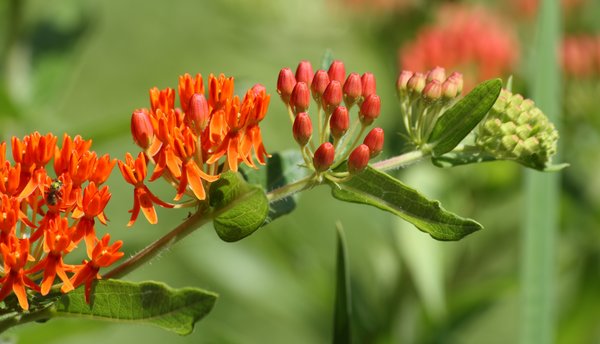
Asclepias tuberosa
Pleurisy root, butterfly weed. · Plant · Apocynaceae
Those for whom Asclepias tub. is most appropriate tend to be depressed, languid, and unable to concentrate.
Asclepias tub. is associated particularly with rheumatic pain and catarrh, both tending to arise in damp weather. The rheumatic pain is characterized by stitchlike pains in the muscles and joints. The remedy may be prescribed for many forms of respiratory inflammation, such as bronchitis, influenza, pleurisy, or other feverish conditions with a painful, dry, hacking cough. The chest may feel warm with sharp pains, especially when breathing deeply. The above symptoms are often accompanied by copious perspiration, catarrh, and restless, uneasy sleep.
Key symptoms
- Action on chest muscles is most marked
- Respiration painful especially at base of left lung
- Pain in chest shooting downward from left nipple
- Chest pains relieved by bending forward
- Lancinating pain between shoulders
- Catarrhal dysentery with rheumatic pains all over
- Sick headache with flatulence in stomach and bowels
- Catarrh with frontal headache and sticky yellow discharge
- A general eliminative remedy acting especially on sweat glands
Worse (aggravation)
Better (amelioration)

Pleurisy-root
Its action on the chest muscles is most marked and has been verified. Sick headache, with flatulence in stomach and bowels. Dyspepsia. Bronchitis and pleurisy come within its range. Catarrhal states from cold and damp weather. Irritation of larynx with huskiness; grip, with pleuritic pain.
Respiratory
Respiration painful, especially at base of left lung. Dry cough; throat constricted; causes pain in head and abdomen. Pain in chest; shooting downward from left nipple. A general eliminative remedy, acting specially on the sudoriparous glands. Chest pains are relieved by bending forward. Spaces between ribs close to sternum tender. Lancinating pain between shoulders. Catarrh, with frontal headache, and sticky yellow discharge.
Stomach
Fullness, pressure, weight. Flatulence after meals. Sensitive to tobacco.
Rectum
Catarrhal dysentery, with rheumatic pains all over. Stools smell like rotten eggs.
Extremities
Rheumatic joints give sensation as if adhesions being broken up on bending.
Relationship
Compare: Asclepias Incarnata-Swamp Milk Weed (Chronic gastric Catarrh and leucorrhœa. Dropsy with dyspnœa) Periploca groeca-One of the Asclepiades--(Cardiac tonic, acts on circulation and respiratory center, accelerating respiration in a ratio disproportionate to pulse). Bryonia; Dulc.
Dose
Tincture and first potency.

Pleurisy-root. Butterfly-weed. N. O. Asclepiadaceæ. Tincture of fresh root.
Clinical
Alopecia. Asthma. Bilious fever. Bronchitis. Catarrh. Chancre. Colic. Cough. Diarrhœa. Dysentery. Headache. Heart, affections of. Influenza. Ophthalmia. Pericarditis. Pleurisy. Pleurodynia. Rheumatism. Scrofula. Syphilis.
Characteristics
Asclep. tub. causes sharp, stitching, pricking pains; < by motion. It is of the hydrogenoid type, corresponding to catarrhal complaints from cold and damp weather. Rheumatic pains affect the body diagonally, l. upper and r. lower, or the opposite. Muscular and articular rheumatism with stitching pains, dark red urine and hot, perspiring skin. Sensitive to tobacco. Pain in forehead and abdomen from coughing. Griping and sharp peritoneal pains < by pressure. Dysentery in autumn; and painful diarrhœa with griping and tenesmus. Warm feeling in chest. Dyspnœa. Cough hard and dry; or hoarse, croupy with tight breathing and constriction of larynx, and acute pleuritic pains. Pains in lungs > bending …

Phatak's chapter on Asclepias tuberosa is available in the app.
Read Phatak in the appClassical texts are in the public domain. Educational reference only — not medical advice.
