
Bacillinum burnett
Tuberculous lung tissue nosode (Burnett prep.) · Tubercular lung tissue,Bacillinum pulmo, Bacillinum Burnett · Nosode
Melancholy and depression are typical in those who respond best to Bacillinum. They tend to be taciturn, irritable, and snappy, and often whine and complain. Generally, they feel weak and do not want to be disturbed. They often start one task before completing another, and may have a fear of dogs.
The remedy has an affinity with the respiratory organs, and may be given constitutionally to those with a personal or family history of respiratory problems. It is typically prescribed for weak lungs, possibly involving shortness of breath, hacking coughs that disrupt sleep, purulent mucus, asthma, and sharp pain in the heart area that may be triggered by deep breathing.
Bacillinum is also used for certain skin conditions, such as eczema on the eyelids, pimples that develop on the left cheek, ringworm on the scalp, alopecia areata (patchy loss of hair), and a susceptibility to fungal skin infections. Symptoms may occur independently or in conjunction with respiratory problems.
Key symptoms
- Chronic catarrhal condition of lungs with bronchorrhoea and dyspnoea
- Suffocative attacks at night with difficult cough in elderly patients
- Muco-purulent expectoration; oppression of chest; humid asthma
- Constant disposition to take cold
- Ringworm and pityriasis of skin
- Eczema of eyelids
- Glands of neck enlarged and tender
- Severe deep headache as of tight hoop around head
Worse (aggravation)
Better (amelioration)
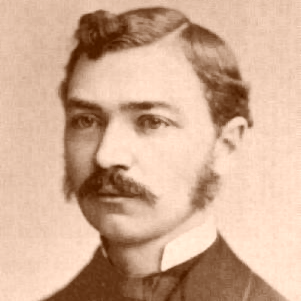
A Maceration of a Typical Tuberculous Lung introduced by Dr. Burnett (BACILLINUM)
Has been employed successfully in the treatment of tuberculosis; its good effects seen in the change of the sputum, which becomes decreased and more aerated and less purulent. Many forms of chronic non-tubercular disease are influenced favorably by Bacillinum, especially when bronchorrhœa and dyspnœa are present. Respiratory pyorrhea. The patient expectorates less.
Bacillinum is especially indicated for lungs of old people, with chronic catarrhal condition and enfeebled pulmonary circulation, attacks of suffocation at night with difficult cough. Suffocative catarrh. Tubercular meningitis. Favors falling off of tartar of teeth. Constant disposition to take cold.
Head
Irritable, depressed. Severe, deep-in headache, also as of a tight hoop. Ringworm. Eczema of eyelids.
Abdomen
Abdominal pains, enlarged lands in groins, tabes mesenterica. Sudden diarrhœa before breakfast. Obstinate constipation, with offensive flatus.
Respiratory
Oppression. Catarrhal dyspnœa. Humid asthma. Bubbling rales and muco-purulent expectoration. Note. This muco-purulent expectoration of bronchitic patients is equally poly-bacillary; it is a mixture of diverse species and hence Bacillinum is truly indicated (Cartier). Often relieves congestion of the lungs, thus paving way for other remedies in Tuberculosis.
Skin
Ringworm; pityriasis. Eczema of eyelids. Glands of neck enlarged and tender.
Modalities
Worse, night and early morning; cold air.
Relationship
Antimon iod; Lach; Arsenic iod; Myosotis. Levico, 5-10 drops, follows as an intercurrent where much debility is present (Burnett).
Complementary: Calc phos; Kali carb.
Compare: Its effects seem to be identical to that of Koch's Tuberculinum. Both are useful in the tubercular diathesis before phthisis had developed. In the early stages of tubercular disease of glands, joints, skin and bones. Psorinum. Seems to be its chronic equivalent. Bacillin testium acts especially on lower half of the body.
Dose
The does is important. Should not be given below the thirtieth and not repeated frequently. One dose a week often sufficient to bring about reaction. It is rapid in action, and good results ought to be seen, otherwise there is no need of repetition.
Phatak's chapter on Bacillinum burnett is available in the app.
Read Phatak in the appClassical texts are in the public domain. Educational reference only — not medical advice.
