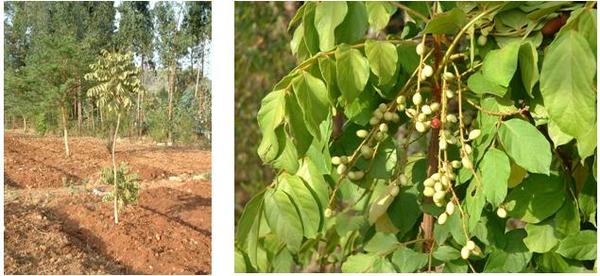
Brucea antidysenterica
Plant · Simaroubaceae
Brucea Antidysenterica suits melancholic, hypochondriac patients with a characteristic combination of headache and extreme drowsiness. The remedy shares much of the Nux vomica picture, with morning gloom, lassitude, and throbbing abdominal sensations as distinguishing features of the bark preparation.
Key symptoms
- Headache with extreme drowsiness, disappearing in the evening
- Sensation of throbbing in pit of stomach and entire abdomen
- Gloomy, melancholy mood on waking in the morning
- Dejection with want of sleep; taciturnity and hypochondriasis
- Indolence and lassitude; sad and gloomy humour
Better (amelioration)
- Evening (headache disappears in the evening)

Angustura falsa. Nucis vomicæ cortex. N. O. Loganiaceæ. Tincture or trituration.
Clinical
Abdomen, throbbing in. Headache.
Characteristics
Under the name of Brucea antidysenterica a quantity of Nux vomica bark got upon the drug market, and was at first supposed to be Angustura bark. Many poisonings ensued before the mistake was discovered, and the bark received the name Augustura falsa, in contradistinction to the true Angustura. It contains strychnine, and the symptoms are included in the pathogenesis of Nux vomica and Strychninum. The homœopathic preparation of Nux vom. is, however, prepared from the seed. One characteristic symptom of Brucea antidysenterica (i.e., the bark preparation) is: "Headache with extreme drowsiness; disappearing in evening." Another is: "Sensation of throbbing in pit of stomach and in entire abdomen." (Although the symptoms are included in the pathogenesis of Nux vomica as the bark has been experimented with independently, I subjoin the Schema.)
Classical texts are in the public domain. Educational reference only — not medical advice.
