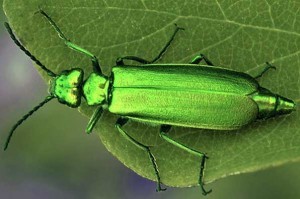
Cantharis vesicatoria
Lytta vesicatoria · Lytta vesicatoria, Spanish fly, blister beetle. · Animal
Those who benefit most from Cantharis usually have high sex drives, which may become uncontrollable during certain illnesses. They can be restless, querulous, and difficult to get along with when ill. Irritability or insolence can even explode into paroxysms of violence or rage. In extreme cases, this may escalate into psychological problems such as intense mental confusion or mania.
Cantharis is prescribed for conditions that deteriorate very rapidly. Typical symptoms are loss of appetite, burning pain in the throat or stomach, and raging thirst with an aversion to drinking, since even a small amount of water makes the bladder pain worse.
Burning cystitis and urinary tract inflammation are the main disorders for which Cantharis is used. Tenderness in the area of the kidneys, renal colic, kidney inflammation such as nephritis and pyelonephritis, and some other urinary disorders may also be eased by the remedy. It is given for sunburn, scalds, and burns if the skin has blistered, and is also used for insect bites and stings. Some digestive-tract disorders, such as gastritis, severe diarrhea, or dysentery, may respond to the remedy, as may an excessive libido.
Key symptoms
- burning, cutting pains
- urine that passes in drops
- very high libido with urinary problems
- violent behavior
- person feels worse for coffee
Worse (aggravation)
- Touch of larynx or drinking water worsens symptoms
- Coffee aggravates gastric and hepatic complaints
- Urination painful and aggravated constantly
- Open air worsens vertigo
Better (amelioration)
- Warmth ameliorates some symptoms
- Rest may relieve restlessness temporarily

Spanish Fly (CANTHARIS)
This powerful drug produces a furious disturbance in the animal economy, attacking the urinary and sexual organs especially, perverting their function, and setting up violent inflammations, and causing a frenzied delirium, simulating hydrophobia symptoms (Anagallis). Puerperal convulsions. Produces most violent inflammation of the whole gastro-intestinal canal, especially lower bowel. Oversensitiveness of all parts. Irritation. Raw, burning pains. Hæmorrhages. Intolerable, constant urging to urinate is most characteristic. Gastric, hepatic and abdominal complaints that are aggravated by drinking coffee. Gastric derangements of pregnancy. Dysuria, with other complaints. Increases secretion of mucous membranes, tenacious mucus. The inflammations cantharis produces (bladder, kidneys, ovaries, meninges, pleuritic and pericardial membranes)are usually associated with bladder irritation.
Mind
Furious delirium. Anxious restlessness, ending in rage. Crying, barking; worse touching larynx or drinking water. Constantly attempts to do something, but accomplishes nothing. Acute mania, generally of a sexual type; amorous frenzy; fiery sexual desire. Paroxysms of rage, crying, barking. Sudden loss of consciousness with red face.
Head
Burning in brain. Sensation as if boiling water in brain. Vertigo; worse in open air.
Eyes
Yellow vision (Santon). Fiery, sparkling, staring look. Burning in eyes.
Ears
Sensation as if wind were coming from ear, or hot air. Bones about ear painful (Capsic).
Face
Pale, wretched, death-like appearance. Itching vesicles on face, burning when touched. Erysipelas of face, with burning, biting heat with urinary symptoms. Hot and red.
Throat
Tongue covered with vesicles; deeply furred; edges red. Burning in mouth, pharynx, and throat; vesicles in mouth. Great difficulty in swallowing liquids. Very tenacious mucus (Kali bich). Violent spasms reproduced by touching larynx. Inflammation of throat; feels on fire. Constriction; aphthous ulceration (Hydr mur; Nit ac). Scalding feeling. Burnt after taking too hot food.
Chest
Pleurisy, as soon as effusion has taken place. Intense dyspnœa; palpitation; frequent, dry cough. Tendency to syncope. Short, hacking cough, blood-streaked tenacious mucus. Burning pains.
Stomach
Burning sensation of œsophagus and stomach (Carb). Disgust for everything-drink, food, tobacco. Burning thirst, with aversion to all fluids. Very sensitive, violent burning. Vomiting of blood-streaked membrane and violent retching. Aggravation from drinking coffee; drinking the smallest quantity increases pain in bladder, and is vomited. Thirst unquenchable.
Stool
Shivering with burning. Dysentery; mucous stools, like scrapings of intestines. Bloody, with burning and tenesmus and shuddering after stool.
Urine
Intolerable urging and tenesmus. Nephritis with bloody urine. Violent paroxysms of cutting and burning in whole renal region, with painful urging to urinate; bloody urine, by drops. Intolerable tenesmus; cutting before, during, and after urine. Urine scalds him, and is passed drop by drop. Constant desire to urinate. Membranous scales looking like bran in water. Urine jelly-like, shreddy.
Male
Strong desire; painful erections. Pain in glans (Prunus; Pareira). Priapism in gonorrhœa.
Female
Retained placenta (Sep), with painful urination. Expels moles, dead fœtuses, membranes, etc. Nymphomania (Plat; Hyos; Lach; Stram). Puerperal metritis, with inflammation of bladder. Menses too early and too profuse; black swelling of vulva with irritation. Constant discharge from uterus; worse false step. Burning pain in ovaries; extremely sensitive. Pain in os coccyx, lancinating and tearing.
Respiratory
Voice low; weak feeling. Stitches in chest (Bry; Kal c; Squilla). Pleurisy, with exudation.
Heart
Palpitation; pulse feeble, irregular; tendency to syncope. Pericarditis, with effusion.
Back
Pain in loins, with incessant desire to urinate.
Extremities
Tearing in limbs. Ulcerative pain in soles; cannot step.
Skin
Dermatitis venenata with bled formation. Secondary eczema about scrotum and genitals, following excessive perspiration. Tendency to gangrene. Eruption with mealy scales. Vesicular eruptions, with burning and itching. Sunburn. Burns, scalds, with rawness and smarting, relieved by cold applications, followed by undue inflammation. Erysipelas, vesicular type, with great restlessness. Burning in soles of feet at night.
Fever
Cold hands and feet; cold sweat. Soles burn. Chill, as if water were poured over him.
Modalities
Worse, from touch, or approach, urinating, drinking cold water or coffee. Better, rubbing.
Relationship
Antidotes: Acon; Camph; Puls.
Compare: Cantharidin--(Glomerular nephritis). The immediate pharmacological action of Cantharidin is irritability of the capillaries, rendering the passage of nutritive fluids through them less difficult. This is most marked in the capillaries of the kidneys. The increase of blood sugar coincident with the glomerular nephritis appears to be a valuable observation. Vesicaria--(Urinary and kidney remedy. Smarting, burning sensation along urethra and in bladder with frequent desire to void urine often with strangury. Cystitis, irritable bladder. Tincture 5-10 drop doses). Fuschina coloring substance used in adulteration of wine (Cortical nephritis with albuminuria, 6th-30th potency. Redness of ears, mouth, swollen gums; deep, red urine; red, profuse diarrhœa, with severe abdominal pains). Androsace lactea (urinary troubles, diuretic; dropsy). Apis; Ars; Merc cor.
Complementary: Camph.
Dose
Sixth to thirtieth potency. Bears repeated doses well. Locally, in burns and eczema, 1x and 2x, in water, or as cerate.

The most important feature of this medicine is the inflammatory condition, and the most important characteristic in the inflammation is the rapidity with which it develops into a gangrenous state. inflammation conditions usually follow a definite course for days, but when this medicine is put upon a part or taken internally the inflammatory state terminates in death of the part with great rapidity.
When taken internally it proceeds almost immediately to attack the urinary tract and establish a uraemic state which brings about the mental symptoms; the local inflammatory condition comes on with great rapidity, and this brings the patient down violently sick in a great hurry.

Cantharis vesicator. Lytta vesicator. Spanish fly. N. O. Insecta, Coleoptera. Tincture or trituration of living insects.
Clinical
Bladder affections. Burns. Chordee. Diphtheria. Dysentery. Eczema. Emissions. Erotomania. Erysipelas. Eyes, inflammation of. Gastritis. Gonorrhœa. Herpes zoster. Hydrophobia. Kidneys, affections of. Mania. Neuralgia. Nymphomania. Ovaries, affections of. Peritonitis. Pleurisy. Pregnancy, disorders of. Retained placenta. Satyriasis. Scarlatina. Spermatorrhœa. Strangury. Thirst. Throat, sore. Tongue, inflammation of. Urine, abnormal. Vesication of skin.
Characteristics
Cantharis belongs to the animal kingdom and finds its most prominent sphere of action in exciting the animal passions. There is anger in a very acute degree amounting to paroxysms of rage; and a corresponding condition of the bodily tissues. The word "irritation" best expresses the totality of the Cantharis effects. The pains are burning, and sharp, lancinating along the course of a nerve. Neuralgia of …

Anus and Stool
White or pale reddish mucous stools, like scrappings of the intestines.
Urinary Organs
Tenesmus of the bladder; urine scalds and burns; passed drop by drop.
Urinary Organs
Cutting and contracting pains, from ureters down to penis, sometimes from without inwards; pressure of the glands > a little.
Neck and Back
Pain in loins, kidneys and abdomen, with such pain on urination that he could not pass a single drop without wanting to moan or scream.
-
Scales on scalp, enormous dandruff.
-
Intense burning pains in the mouth, throat, stomach and intestinal tract.
-
Dysentery of blood and mucus, or like scrapings from the intestines accompanied by burning in anus and dysuria.
-
Violent pains in bladder, with frequent urging to urinate, and intolerable tenesmus and burning; urine passed drop by drop.
-
Violent, burning cutting pains in the urethra, before, during and after urination.
-
Urine bloody,. or dark coloured as if mixed with blood.
-
Strong, persistent, and painful erections; or painless and without voluptuous sensations; with sore pain along urethra.
-
Pruritus in women. with strong sexual desire.

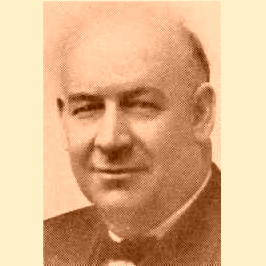
Phatak's chapter on Cantharis vesicatoria is available in the app.
Read Phatak in the appClassical texts are in the public domain. Educational reference only — not medical advice.
