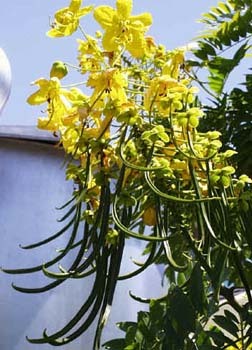
Chrysarobinum
Chrysarobin · Plant · Fabaceae
Chrysarobinum suits persons with intense skin irritation, particularly dry scaly eruptions around the eyes and ears with crust formation and foul-smelling discharge. The tendency for lesions to become confluent and form a single large crust is characteristic.
Key symptoms
- Vesicular or squamous lesions with foul-smelling discharge and crust formation
- Violent itching of thighs, legs, and ears
- Dry scaly eruption especially around eyes and ears with scabs and pus underneath
- Blepharitis, conjunctivitis, and keratitis
- Intense photophobia and optical hyperesthesia
- Eczema behind ears forming thick filthy scabby crusts
- Ringworm, psoriasis, and acne rosacea

Goa Powder-Andira araroba
Acts as a powerful irritant of the skin and used successfully in skin diseases especially in ringworm, psoriasis, herpes tonsurans acne rosacea. Vesicular or squamous lesions, associated with foul smelling discharge and crust formation, tending to become confluent and to give the appearance of a single crust covering the entire area (Bernstein). Violent itching, thighs, legs and ears. Dry, scaly eruption, especially around eyes and ears, scabs with pus underneath (Mezer).
Eyes
Blepharitis, conjunctivitis keratitis. Intense photophobia. Optical hyperæsthesia.
Ears
Eczema behind ears. Filthy, scabby condition with tendency to form thick crust. Whole ear and surrounding tissue appears to be one scab.
Relationship
Chrysarobinum contains chrysophan, which is rapidly oxidized into chrysophanic acid. This is also contained in Rhubarb and Senna.
Dose
Locally, as a cerate, 4-8 grains to the ounce, of vaseline. Internally, third to sixth potency. Used externally; should be used with caution on account of its ability to produce inflammation.
Classical texts are in the public domain. Educational reference only — not medical advice.
