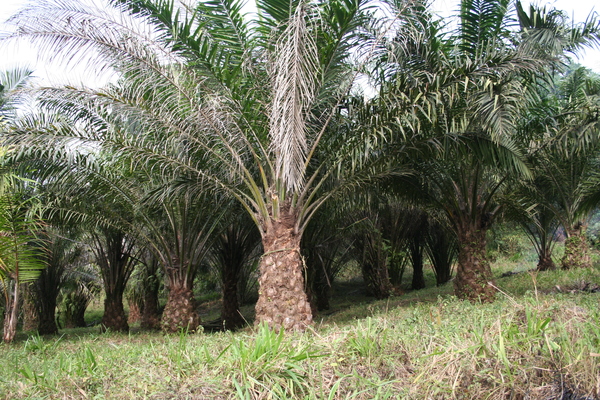
Elaeis guineensis
Plant · Arecaceae
Elaeis Guineensis suits individuals with skin conditions resembling scleroderma or leprosy, with anaesthesia and hardening of skin. The greatest number of symptoms appear on the lower extremities and skin. Burning, lancinating, and throbbing pains with unusual visual disturbances are characteristic.
Key symptoms
- Anaesthesia and swelling and hardening of skin resembling leprosy or scleroderma
- Sensation as if a peg stuck in false ribs
- Swelling of eyes with weak and confused vision by candlelight
- Makes letters much too large; unable to look steadily at objects
- Burning in tongue requiring patient to stop eating
- Lancinations in throat when swallowing
- Foul eructations and vomiting immediately after eating
Worse (aggravation)
- Cold drinks worsen colic
- Descending stairs worsens lancinations
- Breathing worsens pain
Better (amelioration)
- Rest ameliorates

Elæis guineensis. Aouara. Avoira. N. O. Palmæ (yields Palm Oil). Triturations of the fruit.
Clinical
Diarrhœa. Elephantiasis arabum. Gastric affections. Headache. Leprosy. Scleriasis. Scleroderma. Sight, defective. Skin, affections of. Sore throat.
Characteristics
Proved by Mure, it produced lancinations, burning, bruised and throbbing pains. Notable symptoms of leprosy and of scleroderma appear in the provings: anæsthesia; swelling and hardening of skin. Among other symptoms are: sensation as if a peg stuck in false ribs. Swelling of parts. The greatest number of symptoms appeared on the lower extremities and skin. < From cold drinks (colic); from descending stairs (lancinations); from breathing. > Rest.
Classical texts are in the public domain. Educational reference only — not medical advice.
