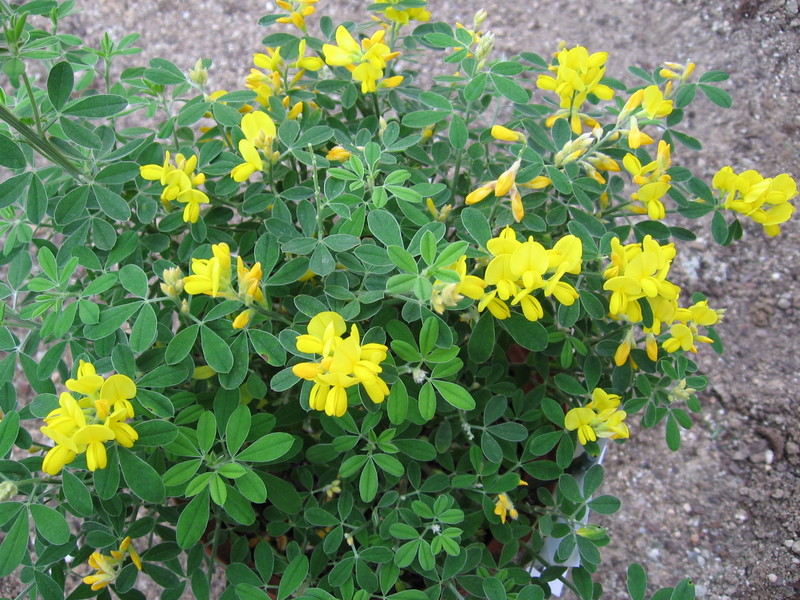
Genista
Genista tinctoria · Plant · Fabaceae
Genista suits individuals with sharp neuralgic pains in the head and ears, accompanied by a characteristic feeling of the brain being loose and sensitive. The patient has abrupt bowel urgency with sudden, forcible expulsion of stools, and distinctive skin eruptions. Vertigo is brought on by sudden movements such as rising or turning quickly.
Key symptoms
- Sharp piercing pains in head especially in temples
- Brain feels loose and very sensitive
- Vertigo on rising or shaking the head
- Urgent desire for stool expelled suddenly like a wad from a pop-gun
- Peculiar eruption of dark red confluent spots on hands and feet
- Eyes sensitive to touch in forenoon
- Sharp instrument sensation in left ear
Worse (aggravation)
- Worse from rising quickly
- Worse from turning quickly or shaking the head
- Worse from walking
Better (amelioration)
- Better in open air and cool rooms
- Better after eating (headache)
- Better after dinner (vertigo)

Genista Tinctoria. Dyer's Greenweld. N. O. Leguminosæ. Tincture of whole plant.
Clinical
Diarrhœa. Earache. Headache.
Characteristics
Genista was proved by E. B. Cushing. Its principal effects are: Sharp piercing pains in the head and ear. Brain feels loose and sensitive. Sensitive feeling in brain, eye, and throat. Urgent desire for stool, which is expelled suddenly. A peculiar eruption of dark red confluent spots. < Rising; turning quickly; shaking head; walking. In the night, water-brash. > In open air; in cool rooms; by eating (headache).
Relations
Compare: (Brain feels loose) Cic. v., Nat. s., Bar. c., Rhus.
2. Head
Vertigo and headache on rising or shaking head, > after dinner.─Sensation as if brain were loose and very sensitive.─Frequent, sharp pain in r. temple from within outwards.─Piercing pain in l. temple.
Classical texts are in the public domain. Educational reference only — not medical advice.
