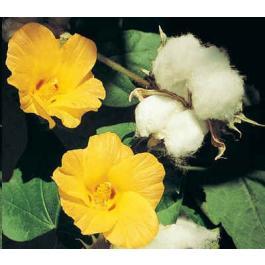
Gossypium herbaceum
Plant · Malvaceae
Suited to tall, bloodless, nervous women with disturbed uterine function. The constitutional picture features suppressed or scanty menstruation with the peculiar sensation that the flow is imminent yet fails to appear. Uterine sub-involution, fibroids, and conditions associated with pregnancy and childbirth are characteristic indications.
Key symptoms
- Tardy or suppressed menses with sensation that flow is about to start but does not
- Morning sickness with sensitive uterine region
- Backache, weight, and dragging sensation in pelvis
- Labia swollen and itching; intermittent pain in ovaries
- Uterine sub-involution and fibroids with gastric pain and debility
- Retained placenta; tumor of breast with axillary gland swelling
- Nervous chills in tall, bloodless patients
- Nausea with inclination to vomit before breakfast
Worse (aggravation)
- Motion worsens pains generally
- Warmth of bed aggravates heaviness in hands
Better (amelioration)
- Rest relieves pains
- Hanging hands down relieves heaviness in upper limbs

Cotton-plant (GOSSYPIUM)
A powerful emmenagogue, used in physiological doses. Homeopathically, it corresponds to many reflex conditions, depending on disturbed uterine function and pregnancy. Gossypium will relieve tardy menses, especially with sensation that the flow is about to start and yet does not do so. Tall, bloodless patients, with nervous chills.
Head
Pain in cervical region with tendency for head to draw backward with nervousness.
Stomach
Nausea, with inclination to vomit before breakfast. Anorexia, with uneasy feeling at scrobiculum at time of menses.
Female
Labia swollen and itching. Intermittent pain in ovaries. Retained placenta. Tumor of the breast with swelling of axillary glands. Morning sickness, with sensitive uterine region. Suppressed menstruation. Menses too watery. Backache, weight and dragging in pelvis. Uterine sub-involution and fibroids, with gastric pain and debility.
Relationship
Compare: Action similar to Ergot when made from fresh green root. Lilium; Cimicif; Sabina.
Dose
Tincture, to sixth attenuation.

Cotton Plant. N. O. Malvaceæ. Tincture of fresh inner root bark, chopped and pounded to a pulp.
Clinical
Abortion. Amenorrhœa. Dysmenorrhœa. Labia, abscess of. Ovaries, pains in. Pregnancy, vomiting of. Sterility. Tumour. Uterus, bearing down in.
Characteristics
Gossyp. has been mainly used in affections of the female generative organs. It has been taken in the form of the extract to procure abortion. The symptoms of the external organs are strongly marked, and the ovaries are the seat of pains which come and go, and in the uterus are bearing-down pains. "Intermittent pains in the ovaries" is characteristic. The morning nausea and salivation indicate the remedy for morning sickness of pregnancy. The pains are of a stinging, drawing, tearing, and sometimes of a burning character, extending from one place to another, jumping from one place to another. Pains generally move from above downward. Pains are generally < by motion; > by rest. Sympathetic symptoms of stomach, heart, bowels, and nervous system arising from disturbance of uterine functions.

Phatak's chapter on Gossypium herbaceum is available in the app.
Read Phatak in the appClassical texts are in the public domain. Educational reference only — not medical advice.
