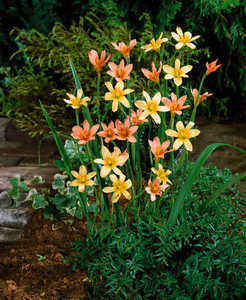
Homeria
Moraea (Homeria now synonymized under Moraea) · Plant · Iridaceae
Homeria is a violent narcotico-acrid poison akin to Colchicum acting primarily on the nervous system and gastrointestinal tract. The picture is one of rapid collapse with profound weakness, cold extremities, dilated pupils, irregular pulse, and obstinate constipation following vomiting. Diffusible stimulants facilitated recovery in the reported poisoning cases.
Key symptoms
- Severe nausea and vomiting within hours of ingestion
- Extreme weakness unable to leave bed or call for help
- Collapse with cold extremities and scarcely perceptible, irregular pulse
- Pupils much dilated
- Obstinate constipation
- Almost insensible; moribund state
Better (amelioration)
- Diffusible stimulants (facilitated recovery in poisoning)

Homeria collina. Cape Tulip. N. O. Iridaceæ. Tincture of bulbs.
Clinical
Collapse. Constipation. Vomiting.
Characteristics
Homeria is a violent narcotico-acrid poison very like Colchicum in its effects. A Malay woman, with her three grandchildren, æt. 12, 8, and 6, ate a small basinful of the bulbs with their supper (between 7 and 8 p.m.). About 1 a.m. the woman woke with severe nausea and vomiting, and found the children similarly affected. She tried to call for help, but found herself too weak to leave her bed, and when by five o'clock assistance arrived the eldest girl was found moribund and expired almost immediately. The boy of 8 died an hour later. The youngest child was found in collapse, almost insensible, cold extremities, pulse scarcely So and irregular, pupils much dilated. The grandmother's symptoms were similar, but lesser in degree, accompanied by constant efforts at vomiting. By using diffusible stimulants she and the child eventually recovered. Obstinate constipation prevailed.
Classical texts are in the public domain. Educational reference only — not medical advice.
