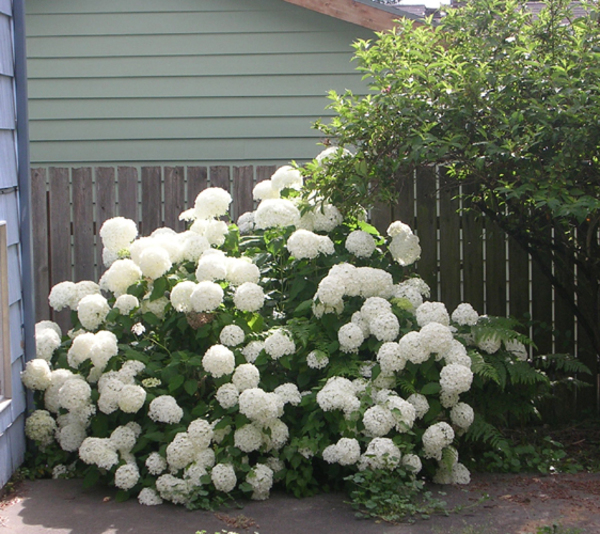
Hydrangea arborescens
Plant · Hydrangeaceae
Hydrangea arborescens acts primarily on the urinary tract and is indicated in gravel, calculus, renal colic, and enlarged prostate. Its keynote is a profuse deposit of white amorphous salts in the urine. It acts on the ureter and relieves burning in the urethra, difficulty starting urination, and sharp lumbar pains.
Key symptoms
- Profuse deposit of white amorphous salts in urine
- Burning in urethra with frequent urge to urinate
- Urine hard to start; heavy deposit of mucus in urine
- Sharp pain in loins, especially left
- Great thirst with abdominal symptoms
- Enlarged prostate; spasmodic stricture
- Renal colic with bloody urine
- Dizziness; oppression of chest

Seven-barks (HYDRANGEA)
A remedy for gravel, profuse deposit of white amorphous salts in urine. Calculus, renal colic, bloody urine. Acts on ureter. Pain in lumbar region. Dizziness. Oppression of chest.
Urine
Burning in urethra and frequent desire. Urine hard to start. Heavy deposit of mucus. Sharp pain in loins, especially left. Great thirst, with abdominal symptoms and enlarged prostate (Ferr pic; Sabal). Gravelly deposits. Spasmodic stricture. Profuse deposit of white amorphous salts.
Relationship
Compare: Lycopod; Chimaphil; Berberis; Pareira; Uva; Sabal; Oxydendron; Geum-Water Avens--(Severe jerking pains from deep in the abdomen to end of urethra; affections of bladder, with pains in penis; worse, eating; relaxed mucous membranes, with excessive and depraved secretions; imperfect digestion and assimilation). Polyctrichum-Haircap moss--(according to Dr. A. M. Cushing in mother tincture or infusion for enlarged prostate-prostatitis).
Dose
Tincture.

Hydrangea arborescens. N. O. Hydrangeaceæ (or Saxifragaceæ). Tincture of fresh leaves and young shoots. Fluid extract.
Clinical
Bladder, catarrh of; stone in. Diabetes. Gravel. Prostatic affections. Urine, incontinence of.
Characteristics
Like some other members of the Saxifragaceæ, Hydrang. has a traditional reputation as a "stone-breaking" remedy having been used in calculous diseases for many years. Dr. Nottingham, of Lansing, says (Amer. Hom. November 15, 1899) that in physiological doses it produces "giddiness, oppression of the chest, and acts as a cathartic, diuretic, sialogogue, and narcotic." He used it with brilliant results in the following case: Mr. B., 71, tall, slender, dark, was exceedingly irritable and frequently subject to violent paroxysms of anger. For many years he had been accustomed to make the most reckless use of drugs, and was always requesting his homœopathic doctor to give him "something stronger." For eight years he had suffered from vesical sphincter-irritation, with dribbling …
Classical texts are in the public domain. Educational reference only — not medical advice.
