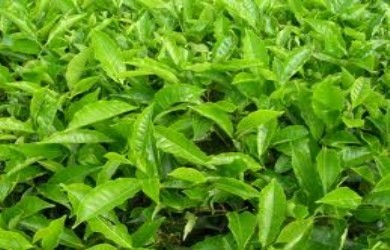
Ignatia amara
Strychnos ignatii · St. Ignatius’s bean · Plant · Loganiaceae
Ignatia is best suited to people, especially women, who are experiencing strong emotional problems, such as a broken relationship or acute grief after a death. They are frequently emotionally fragile, artistic, and hypersensitive. Prone to mood swings and feelings of self-pity, they may have a rather brittle air, often laughing and crying at the same time. Suppressing their emotions can lead to hysteria. High expectations of those close to them are typical, and they find it hard to break the bond with their partner if disillusioned in love.
Contradictory physical symptoms are typically treated with Ignatia, such as indigestion that is relieved by eating, or a sore throat that is better for swallowing solid food. There is often great sensitivity to pain, with a tendency to yawn and sigh frequently. There is also a dislike of crowds, and a fear of birds, especially chickens.
Ignatia is used to treat illness that develops from emotional stress. Such conditions include headaches, nervous tics and twitches, digestive disorders such as nausea and vomiting, and a sore throat.
Key symptoms
- ailments triggered by grief
- tendency to bottle up emotions
- fear of birds
- sensation as if there is a lump in the throat
Worse (aggravation)
- Coffee; symptoms distinctly worse from drinking coffee
- Tobacco; cannot bear tobacco smoke or smell
- Stooping; headache worse when bending forward
- Grief, shock, and emotional disturbances aggravate
- Cold open air and cold winds
- Touch and pressure on painful parts
Better (amelioration)
- Change of position; alternating postures
- Swallowing solid food paradoxically relieves throat pain
- Warmth; warm applications
- Lying on the painful side

St. Ignatius Bean (IGNATIA)
Produces a marked hyperæsthesia of all the senses, and a tendency to clonic spasms. Mentally, the emotional element is uppermost, and co-ordination of function is interfered with. Hence, it is one of the chief remedies for hysteria. It is especially adapted to the nervous temperament-women of sensitive, easily excited nature, dark, mild disposition, quick to perceive, rapid in execution. Rapid change of mental and physical condition, opposite to each other. Great contradictions. Alert, nervous, apprehensive, rigid, trembling patients who suffer acutely in mind or body, at the same time made worse by drinking coffee. The superficial and erratic character of its symptoms is most characteristic. Effects of grief and worry. Cannot bear tobacco. Pain is small, circumscribed spots (Oxal ac). The plague. Hiccough and hysterical vomiting.
Mind
Changeable mood; introspective; silently brooding. Melancholic, sad, tearful. Not communicative. Sighing and sobbing. After shocks, grief, disappointment.
Head
Feels hollow, heavy; worse, stooping. Headache as if a nail were driven out through the side. Cramp-like pain over root of nose. Congestive headaches following anger or grief; worse, smoking or smelling tobacco, inclines head forward.
Eyes
Asthenopia, with spasms of lids and neuralgic pain about eyes (Nat m). Flickering zigzags.
Face
Twitching of muscles of face and lips. Changes color when at rest.
Mouth
Sour taste. Easily bites inside of cheeks. Constantly full of saliva. Toothache; worse after drinking coffee and smoking.
Throat
Feeling of a lump in throat that cannot be swallowed. Tendency to choke, globus hystericus. Sore throat; stitches when not swallowing; better, eating something solid. Stitches between acts of swallowing. Stitches extend to ear (Hep). Tonsils inflamed, swollen, with small ulcers. Follicular tonsillitus.
Stomach
Sour eructation. All-gone feeling in stomach; much flatulence; hiccough. Cramps in stomach; worse slightest contact. Averse to ordinary diet; longs for great variety of indigestible articles. Craving for acid things. Sinking in stomach, relieved by taking a deep breath.
Abdomen
Rumbling in bowels. Weak feeling in upper abdomen. Throbbing in abdomen (Aloe; Sang). Colicky, griping pains in one or both sides of abdomen.
Rectum
Itching and stitching up the rectum. Prolapse. Stools pass with difficulty; painful constriction of anus after stool. Stitches in hæmorrhoids during cough. Diarrhœa from fright. Stitches from anus deep into rectum. Hæmorrhage and pain; worse when stool is loose. Pressure as of a sharp instrument from within outward.
Urine
Profuse, watery (Phos ac).
Respiratory
Dry, spasmodic cough in quick successive shocks. Spasm of glottis (Calc). Reflex coughs. Coughing increases the desire to cough. Much sighing. Hollow spasmodic cough, worse in the evening, little expectoration, leaving pain in trachea.
Female
Menses, black, too early, too profuse, or scanty. During menses great languor, with spasmodic pains in stomach and abdomen. Feminine sexual frigidity. Suppression from grief.
Extremities
Jerking of limbs. Pain in tendo-Achillis and calf. Ulcerative pain in soles.
Sleep
Very light. Jerking of limbs on going to sleep. Insomnia from grief, cares, with itching of arms and violent yawning. Dreams continuing a long time; troubling him.
Fever
Chill, with thirst; not relieved by external heat. During fever, itching; nettle-rash all over body.
Skin
Itching, nettle-rash. Very sensitive to draught of air. Excoriation, especially around vagina and mouth.
Modalities
Worse, in the morning, open air, after meals, coffee, smoking, liquids, external warmth. Better, while eating, change of position.
Relationship
Compare: Zinc; Kali phos; Sep; Cimicif. Panacea arvensis--Poor man's Mercury--(Sensitiveness over gastric region with hunger but an aversion to food).
Complementary: Nat mur.
Incompatible: Coffea; Nux; Tabac.
Antidotes: Puls; Cham; Cocc.
Dose
Sixth, to 200th potency.
Ignatia is frequently required and is especially suited to sensitive, delicate women and children; to hysterical women. You will not cure the natural hysterics with Ignatia, but you will cure those gentle, sensitive, fine fibred, refined, highly educated, overwrought women in their nervous complaints with Ignatia when they take on complaints that are similar to such symptoms as come in hysteria.
Hysterical diathesis
The hysterical diathesis is one that is very singular and difficult to comprehend.
But a woman, when overwrought and overexcited and emotional, will do things that she herself cannot account for. She will do things as if she were crazy in her excitement. Will do things she regrets, while the hysteric is always glad of it. No matter how much foolishness there is in it she has only made an exhibition that she is proud of. But our efforts go out for those who imitate them unconsciously. Those who will to do well.

Ignatia amara. (Strychnos ignatia? Strychnos multiflora?-The actual tree from which the so-called "beans" are obtained is not known.) Faba indica. St. Ignatius' Bean. (Philippine Islands.) N. O. Loganiaceæ. Tincture and trituration of the seeds.
Clinical
Abdomen, distended. Anger, effects of. Anus, affections of. Anxiety. Appetite, disordered. Back, weakness of. Catalepsy. Change of Life. Chorea. Clavus. Convulsions. Croup. Debility. Dentition. Depression of Spirits. Diphtheria. Dysmenorrhœa. Epilepsy. Fainting. Fear, effects of. Flatulence; obstructed. Glands, enlargement of. Hæmorrhoids. Headache. Heart, affections of. Hiccough. Hysteria. Hysterical-joint. Intermittent fever. Locomotor ataxy. Melancholia. Numbness. Œsophagus. Paralysis. Phlyctenular ophthalmia. Proctalgia. Rectum, prolapse of. Rheumatic fever. Sciatica. Sensitiveness. Sinking. Sleep, disordered. Spinal irritation. Tenesmus. Throat, sore. Toothache. Tremors. Urine, abnormal. Vagina, spasm of. Voice, lost. Yawning.

St. Ignatius Bean. (Loganiaceae)
Especially suited to nervous temperament; women of a sensitive, easily excited nature; dark hair and skin but mild disposition, quick to percieve, rapid in execution. In striking contrast with the fair complexion, yielding, lachrymose, but slow and indecisive, Pulsatilla. The remedy of great contradictions: the roaring in ears > by music; the piles > when walking; sore throat feels > when swallowing; empty feeling in stomach not > by eating; cough < the more he coughs; cough on standing still during a walk (Ast. fl.); spasmodic laughter from grief; sexual desire with impotency; thirst during a chill, no thirst during the fever; the color changes in the face when at rest. Mental conditions rapidly, in an almost incredibly short time, change from joy to sorrow, from laughing to weeping (Coff., Croc., Nux m.); moody. Persons mentally and physically exhausted by long-concentrated grief. Involuntary sighing (Lach.); with a weak, empty feeling at pit of stomach; not > by …

Mind
Sadness and sighing with sobs and tears and will not be comforted, wants to be alone. Silent grief.
Mind
Amiable disposition if feeling well; every little emotion disturbs them.
Mind
Incredible changes of mood; jesting and laughter changing to sadness and tears (Nux mosch.).
Head
Headache < when smoking tobacco or taking pinch of snuff, or from being where another is smoking.
Head
Throbbing pain in the occiput, worse from pressing at stool, smoking or the smell of smoke.
Head
Headache as if a nail were driven out through the side; relieved by lying on it.
General Face
Sweats on the face while eating.
Mouth and Throat
Sore throat; stitching or sticking pains only between the acts of deglutition; better swallowing solids.
-
Full of suppressed grief, seems weighed down by it, broods over imaginary troubles.
-
Ailments from grief, or suppressed mental sufferings.
-
Slight blame or contradiction irritates and excites him to anger.
-
Headache as if a nail were driven out through the side of the head, relieved by lying on the painful side.
-
Headache increased by smoking tobacco, or being where another is smoking.
-
Sensation of weakness and sinking in pit of stomach.
-
Frequent sighing; constant desire to take deep breath.
-
Every time he stands still during a walk he coughs.
-
Sleepy after each coughing spell.
-
Spasmodic affections of children consequent on being put to sleep soon after punishment.

Phatak's chapter on Ignatia amara is available in the app.
Read Phatak in the appClassical texts are in the public domain. Educational reference only — not medical advice.
