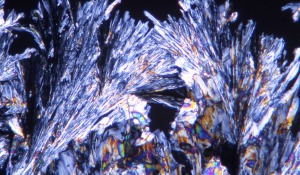
Kalium phosphoricum
Potassium phosphate · Potassium phosphate, phosphate of potash, potassium dihydrogen orthophosphate. · Mineral
Extreme mental and physical exhaustion, particularly after a period of overwork or stress, is typically treated with Kali. phos. For this reason it may be given to students experiencing nervous collapse. Often down-to-earth individuals with a strong sense of morality, those who respond to Kali. phos. tend to be conservative and dogmatic in their opinions. Distressing news events, such as famine or violence, can easily upset them. Extroverted behavior is typical of them, yet when fatigued they become nervous, introverted, and oversensitive. Illness makes them uncommunicative, withdrawn, and averse to company, even that of family members.
Typical physical symptoms include an inability to keep the feet still, drooping of the left eyelid, yellowish bodily discharges, a tendency to sweat excessively yet to be sensitive to the cold, and spinal pain. In addition to fatigue, Kali. phos. is given for gnawing hunger pains, headaches, and insomnia.
Key symptoms
- mental and physical exhaustion
- yellowy-orange discharges
- chilliness
- person feels better for gentle movement
Worse (aggravation)
- Excitement, overwork, and worry aggravate all complaints
- Mental exertion; slightest labor feels like a heavy task
- Cold air and cold weather worsen symptoms
- Noise; startles easily from any sudden sound
- Fasting; empty stomach worsens headache
- Company; worse from meeting people
Better (amelioration)
- Gentle motion; headaches relieved by gentle movement
- Warmth; warm room and warm applications help
- Rest and sleep ameliorate nervous exhaustion
- Eating; some symptoms better after food
- After rising; occipital headache better after getting up

Phosphate of Potassium (KALI PHOSPHORICUM)
One of the greatest nerve remedies. Prostration. Weak and tired. Especially adapted to the young. Marked disturbance of the sympathetic nervous system. Conditions arising from want of nerve power, neurasthenia, mental and physical depression, are wonderfully improved this remedy. The causes are usually excitement, overwork and worry. Besides, it corresponds to states of adynamia and decay, gangrenous conditions. In these two directions it has won many clinical laurels. Remember it in the treatment of suspected malignant tumors. After removal of cancer when in healing process skin is drawn tight over the wound. Delayed labor.
Mind
Anxiety, nervous dread, lethargy. Indisposition to meet people. Extreme lassitude and depression. Very nervous, starts easily, irritable. Brain-fag; hysteria; night terrors. Somnambulance. Loss of memory. Slightest labor seems a heavy task. Great despondency about business. Shyness; disinclined to converse.
Head
Occipital headache; better, after rising. Vertigo, from lying, on standing up, from sitting, and when looking upward (Granat). Cerebral anæmia. Headache of students, and those worn out by fatigue. Headaches are relieved by gentle motion. Headache, with weary, empty, gone feeling at stomach (Ign; Sep).
Eyes
Weakness of sight; loss of perceptive power; after diphtheria; from exhaustion. Drooping of eyelids (Caust).
Ears
Humming and buzzing in the ears.
Nose
Nasal disease, with offensive odor; fetid discharge.
Face
Livid and sunken, with hollow eyes. Right-sided neuralgia relieved by cold applications.
Mouth
Breath offensive, fetid. Tongue coated brownish, like mustard. Excessively dry, in the morning. Toothache, with easily-bleeding gums; they have a bright-red seam on them. Gums spongy and receding (Caps; Hamam; Lach).
Throat
Gangrenous sore throat. Paralysis of the vocal cords.
Stomach
A nervous "gone" sensation at the pit of the stomach (Ign; Sep; Sulph). Feels seasick without nausea.
Abdomen
Diarrhœa; foul, putrid odor; occasioned by fright, with depression and exhaustion. Diarrhœa while eating. Dysentery; stools consist of pure blood; patient becomes delirious; abdomen swells. Cholera; stools have the appearance of rice water (Verat; Ars; Jatrop). Prolapsus recti (Ign; Pod).
Female
Menstruation too late or too scanty in pale, irritable, sensitive, lachrymose females. Too profuse discharge, deep-red or blackish-red, thin and not coagulating; sometimes with offensive odor. Feeble and ineffectual labor pains.
Male
Nocturnal emissions; sexual power diminished utter prostration after coitus (Kali carb).
Urinary Organs
Enuresis. Incontinence of urine. Bleeding from the urethra. Very yellow urine.
Respiratory
Asthma; least food aggravates. Short breath on going upstairs. Cough; yellow expectoration.
Extremities
Paralytic lameness in back and extremities. Exertion aggravates. Pains, with depression, and subsequent exhaustion.
Fever
Subnormal temperature.
Modalities
Worse, excitement, worry, mental and physical exertion; eating, cold, early morning. Better, warmth, rest, nourishment.
Relationship
Compare: Kali hypophosph (Debility with wasting of muscular tissue. Phosphaturia with general anæmia or leucocythemia. Effects of excessive tea drinking. Chronic bronchitis where the expectoration is thick and fetid, sometimes scanty and tough. Dose.--5 grains of crude to 3x). Genista.--Dyer's Weed--(contains scopolamin; frontal headache and vertigo, worse motion, better open air and eating. Dry throat, awakes with waterbrash. Itching eruption on elbows, knees and ankles. Promotes diuresis in dropsical conditions). Macrozamia Spiralis (Extreme debility after severe illness; collapse. Weariness from no assignable cause, no pains. Boring pain at vertex; vomiting and retching all night; impossible to open eyes, giddiness and cold). Zinc; Gels; Cimicif; Laches; Mur ac.
Dose
Third to twelfth trituration. The highest potencies seem to be indicated in certain cases.
Generals
The symptoms of this remedy are worse morning, evening and during the night.
The over-sensitive, nervous, delicate person, worn out from long suffering, much sorrow and vexation, and prolonged mental work; also such as are broken down from sexual excesses and vices.
It is a long-acting antipsoric. Anemic and chlorotic patients, Most complaints are worse during rest, and ameliorated by gentle motion and slowly walking about. The patient in general, and his pains, are aggravated in cold air, from becoming cold, after becoming cold, from entering a cold place, and in cold, wet weather. He takes cold easily. Aversion to the open air. Draft of air aggravates, and open air aggravates. Numbness in the extremities. Great lassitude. Aggravated by ascending stairs, and by physical exertion. Glands dwindle. Choreic movements.

Phosphate of Potassium. K2HPO4. Trituration. Solution in distilled water.
Clinical
Alopecia areata. Amenorrhœa. Anæmia. Asthma. Atrophy. Brain, concussion of. Brain-fag. Brain-softening. Cancrum oris. Carbuncle. Chilblains. Cholerine. Diphtheria. Dysentery. Enuresis. Face, neuralgia of. Feet, fidgety. Gangrene. Hypochondriasis. Hysteria. Insomnia. Melancholia. Menstrual headaches. Nervous dyspepsia. Neurasthenia. Night-terrors. Noma. Nymphomania. Œdema pulmonum. Paralysis. Pneumonia. Ptosis. Puerperal fever. Puerperal mania. Sciatica. Scurvy. Stomach, ulcer of. Ulcers. Urticaria. Whitlow.
Characteristics
According to Schüssler: K. ph. is contained in the cells of the brain, nerves, muscles, blood (corpuscles and plasma), and intercellular fluids; and a disturbance in the motions of its molecules produces:-(1) In Thought cells: Despondency, anxiety, fearfulness, tearfulness, home-sickness, suspiciousness, agoraphobia, weak memory. (2) In Vaso-motor Nerves: First, small and frequent pulse; later, retarded. …

Phatak's chapter on Kalium phosphoricum is available in the app.
Read Phatak in the app
Tissue salts's chapter on Kalium phosphoricum is available in the app.
Read Tissue salts in the appClassical texts are in the public domain. Educational reference only — not medical advice.
