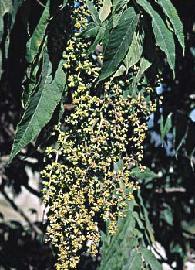
Kousso
Hagenia abyssinica · Plant · Rosaceae
Kousso is primarily used as a vermifuge for tapeworm, with its symptom picture derived from side effects observed during anthelmintic use. The remedy produces extreme prostration and collapse along with nausea, vomiting, and cardiac irregularity. A key clinical observation is that while it expels the worm, it does not address the underlying morbid constitution that favors its production.
Key symptoms
- Anthelmintic: expels tapeworm
- Nausea and vomiting
- Vertigo
- Precordial anxiety with slowing and irregular pulse
- Rapid and extreme prostration and collapse
- Subdelirium

Hagenia Abyssinica (KOUSSO - BRAYERA)
A Vermifuge-Nausea and vomiting, vertigo, præcordial anxiety slowing and irregular pulse, subdelirium and collapse. Rapid and extreme prostration. To expel tapeworm.
Dose
1/2 oz. Mix with warm water and let stand 15 minutes; stir well and administer. May be preceded by a little lemon juice (Merrell).
Relationship
Compare: Mallotus-Kamala-An efficient remedy for tapeworm in 30-60 minims of tincture taken in cinnamon water.

Brayera anthelmintica. Kuso. Cosso. (Abyssinia.) N. O. Rosaceæ. Infusion of dried flowers. Tincture of flowers.
Clinical
Abortion. Tapeworm.
Characteristics
The flowers of Kousso are a favourite remedy for tapeworm with the natives of Abyssinia, and the use of them in European practice for that purpose has led to the observation of the few symptoms recorded, among which thirst, nausea, and vomiting are prominent. In one case miscarriage was caused. The mode of administration as a tænifuge is as follows: Take a quarter of an ounce of the dried flowers, boiling distilled water four ounces. Infuse fifteen minutes without straining. The powder is to be taken with the infusion, in the morning, fasting. Two such draughts may be given. It is best to give a purgative before and an hour or two after the draught. A remark by Alexander Milne is significant to homœopaths: "Though Kousso leads to the expulsion of the worm, it seems not to improve the morbid condition which favours its production." (Living tænia placed in …
Classical texts are in the public domain. Educational reference only — not medical advice.
