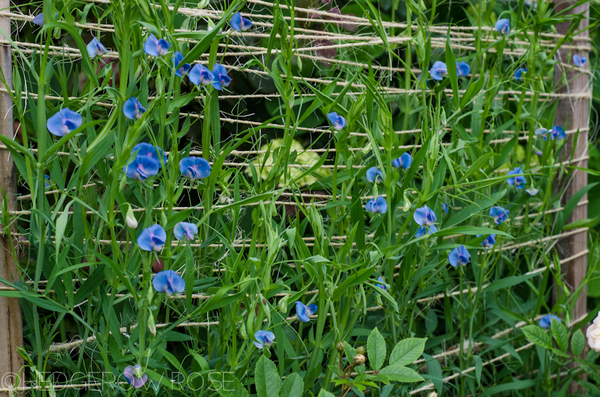
Lathyrus sativus
Chickpea. · Plant · Fabaceae
This remedy focuses predominantly on the spine and lower limbs. Characteristic symptoms treated include pain in the lower back, urinary incontinence, tremors, and total loss of sexual function. Sharpened reflexes are further possible symptoms, as are burning heat in the legs and icy cold feet. Lathyrus has also been used for weakness and heaviness in the aftermath of influenza and other viral illnesses, and for multiple sclerosis. Symptoms may worsen rapidly following exposure to cold, damp night air.
Key symptoms
- Spastic paralysis of lower extremities; excessive rigidity of legs
- Reflexes always increased; no pain despite paralysis
- Knees knock together when walking; tiptoe gait, heels don't touch floor
- Burning pain at tip of tongue with tingling and numbness of lips
- Gluteal muscles and lower limbs emaciated
- Legs blue and swollen when hanging down
- Increased bladder reflex; frequent urging with involuntary voiding
- Tremulous, tottering gait; patient sits bent forward
Worse (aggravation)
Better (amelioration)

Chick-pea (LATHYRUS)
Affects the lateral and anterior columns of the cord. Does not produce pain. Reflexes always increased. Paralytic affections of lower extremities; spastic paralysis; lateral sclerosis; Beri-beri. Athetosis. Infantile paralysis. After influenza and wasting, exhaustive diseases where there is much weakness and heaviness, slow recovery of nerve power. Sleepy, constant yawning.
Mind
Depressed; hypochondriacal. Vertigo when standing with eyes closed.
Mouth
Burning pain in tip of tongue; with tingling and numbness of tongue and lips, as if scalded.
Extremities
Tips of fingers numb. Tremulous, tottering gait. Excessive rigidity of legs; spastic gait. Knees knock against each other when walking. Cramps in legs worse cold, and cold feet. Cannot extend or cross legs when sitting. Myelitis, with marked spastic symptoms. Rheumatic paralysis. Gluteal muscles and lower limbs emaciated. Legs blue; swollen, if hanging down. Stiffness and lameness of ankles and knees, toe do not leave the floor, heels do not touch floor, Muscles of calves very tense. Patient sits bent forward, straightens with difficulty.
Urine
Increased bladder reflex. Frequent, must hurry, else voided involuntarily.
Relationship
Compare: Oxytrop; Secale; Petiveria, a South American plant (Paralysis; paraplegia with numbness. Sensation of internal coldness). Agrostema githago-Corn-cockle --(Burning sensations, in stomach, through œsophagus into throat, in lower abdomen and anus; nausea, bitter vomiting, impaired locomotion; difficulty in remaining erect; vertigo and headache, burning from lower jaw to vertex).
Dose
Third potency.

Lathyrus sativus, Chick-pea, "Jesse," "Jarosse," and Lathyrus cicera, Lesser Chick-pea. "Jarosse pois-cassés." N. O. Leguminosæ. Trituration of seeds. Tincture of the flower. Tincture of the green pods.
Clinical
Athetosis. Beri-beri. Impotence. Locomotor ataxy. Lumbago. Paralysis, spinal (spinal sclerosis); rheumatic. Paralysis agitans. Paraplegia. Rheumatism. Rheumatic paralysis. Roaring (in horses). Urine, incontinence of.
Characteristics
A paralytic affection named Lathyrism has been recognised from ancient times, and has been commonly attributed, as its name implies, to poisoning with Lathyrus, a species of pea. Our own Sweet Pea is Lathyrus odoratus. The two varieties of Lathyrus which have occasioned the poisonings are Lath. sativus and Lath. cicera. The peas are very much alike in appearance. That of Lath. cicera is rather smaller than the other, more square, and a lighter brown. Except for this brownish colour they could easily be mistaken for ordinary peas. Lath. cicera has red …

Phatak's chapter on Lathyrus sativus is available in the app.
Read Phatak in the appClassical texts are in the public domain. Educational reference only — not medical advice.
