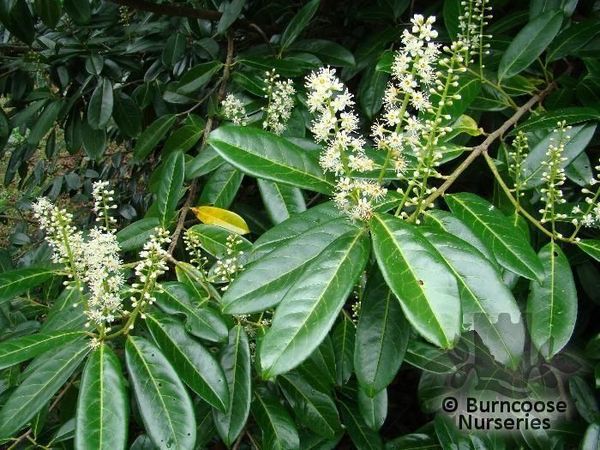
Laurocerasus
Prunus laurocerasus · Plant · Rosaceae
Laurocerasus suits patients with profound cardiac and respiratory weakness, including newborns with asphyxia. The patient is cold, cyanotic, and lacks the vital reaction needed to overcome illness. Gurgling of liquids audibly through the oesophagus and intestines is a characteristic sound.
Key symptoms
- Spasmodic tickling cough especially in cardiac patients
- Lack of reaction especially in chest and heart affections
- Drink rolls audibly through oesophagus and intestines
- General coldness not ameliorated by warmth
- Gasping for breath; patient clutches at heart
- Cyanosis with dyspnoea worse sitting up
- Mitral regurgitation with palpitation
- Asphyxia neonatorum and cyanosis neonatorum
- Cold, clammy feet and legs; skin blue; clubbing of fingers
Worse (aggravation)
- Sitting up (cyanosis and dyspnoea worse)
- Exercise (pain around heart)
Better (amelioration)
- Sleep (pain better from sleep)
- Open air (coldness in forehead better)
- Lying down (some cardiac symptoms)
- Night and open air (general symptoms)

Cherry-laurel
Spasmodic tickling cough, especially in cardiac patients, is often magically influenced by this drug. Lack of reaction, especially in chest and heart affections. Drink rolls audibly through œsophagus and intestines. General coldness, not ameliorated by warmth. Violent pain in stomach with loss of speech. Spasm of facial muscles and œsophagus. Asphyxia neonatorum.
Fever
Coldness; chills and heat alternate. Thirst, with dry mouth in afternoon.
Respiratory
Cyanosis and dyspnœa; worse, sitting up. Patient puts hands on heart. Cough, with valvular disease. Exercise causes pain around heart. Tickling, dry cough. Dyspnœa. Constriction of chest. Cough, with copious, jelly-like, or bloody expectoration. Small and feeble pulse. Threatening paralysis of lungs. Gasping for breath; clutches at heart.
Heart
Mitral regurgitation. Clutching at heart and palpitation. Cyanosis neonatorum.
Sleep
Spells of deep sleep, with snoring and stertorous breathing.
Extremities
Toe and finger nails become knotty. Skin blue. Sprained pains in hips, thighs and heels. Cold, clammy feet and legs. Clubbing of fingers. Veins of hands distended.
Relationship
Compare: Hydrocy ac; Camphor; Secale; Ammon carb; Ambra.
Dose
Tincture to third potency. Cherry-laurel water, two to five drop doses.

The many strange constitutional symptoms indicate feeble circulation and weak heart.
Great general coldness, that is not ameliorated by external warmth. It is like wrapping up a dead man. Yet if he approaches a warm stove nausea comes on. If he is in a warm room the sweat breaks out on the forehead and the forehead is cold; but if he moves about slowly in the open air the sweat ceases and the forehead warms up.
Want of animal heat. Want of reaction. Remedies act only as palliatives, act only as short acting remedies in constitutional disease, or the symptoms partially subside but the patient does not react. The patient does not convalesce.
It often cures the heart failure due to Digitalisin Old School hands, or when convalescence is attended by weak heart if there is cold skin and external heat is objectionable. It should be compared with Camph., Am. c. and Secale.

Cerasus laurocerasus. Common Laurel. Prunus laurocerasus. Cherry Laurel. N. O. Rosaceæ. Tincture of young leaves. Dilutions of Aqua Laurocerasi.
Clinical
Apoplexy, threatened. Asphyxia, neonatorum. Asthma. Cholera. Cholera infantum. Chorea. Climacteric sufferings. Convulsions. Cough. Cramps. Cyanosis. Diarrhœa. Dysmenorrhœa. Epilepsy. Heart, affections of. Liver, affections of. Metrorrhagia. Palpitation. Pneumonia, typhoid. Tetanus. Tumours. Whooping-cough.
Characteristics
Laurocerasus, the so-called "Laurel" of our gardens, is not a member of the Lauraceæ, though the Bay Laurel, Laurus nobilis, is. The Aqua Laurocerasi, prepared by distilling the fresh leaves, contains Hydrocyanic acid and is supposed to owe all its medicinal virtue to this fact. Milne says it is "used in spasmodic cough, and in phthisis; but it is better to employ the prussic acid itself." In the poisoning cases that have occurred the symptoms have been practically identical with those of persons poisoned with prussic acid; but the …

Stomach
Drink rolls audibly through oesophagus and intestines.
Respiratory Organs
Short titillating cough from cardiac affection.
Respiratory Organs
Cough, with copious expectoration of mucus, interspersed here and there with bright red points of blood.
Heart and Pulse
Sense as if heart would turn over, gasps for breath; > on lying down.
Heart and Pulse
Heart trouble with continuous cough as soon as he lies down.
Heart and Pulse
Heart trouble; sitting up causes gasping for breath; > by lying down.
Heart and Pulse
Heart action irregular, pulse slow.
Heart and Pulse
Cyanosis neonatorum, face blue, gasping.
- Nervous and organic affections of the lungs and heart, characterized by spasmodic contractions of the throat and chest, causing suffocative attacks, extreme dyspnoea, slow, irregular pulse, and great nervous excitement.

Phatak's chapter on Laurocerasus is available in the app.
Read Phatak in the appClassical texts are in the public domain. Educational reference only — not medical advice.
