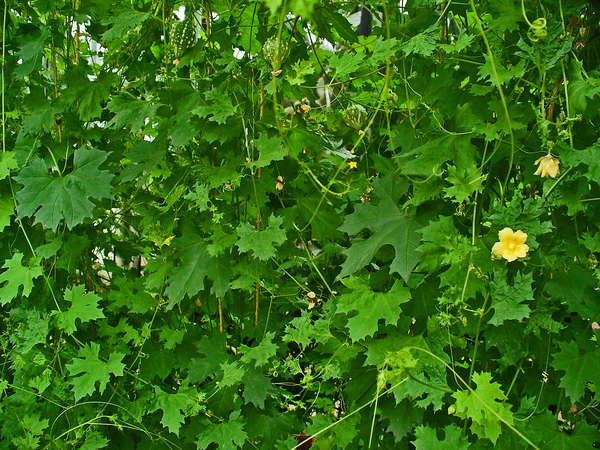
Momordica balsamica
Plant · Cucurbitaceae
Momordica Balsamica suits patients with intense colicky pains of the abdomen and pelvis, particularly women with severe dysmenorrhoea accompanied by labor-like pains and profuse bleeding. There is a kinship with Colocynth in the griping character of the abdominal complaints. The remedy is also used externally for burns and chapped hands.
Key symptoms
- Griping colicky pains starting from back spreading over abdomen
- Pain in back and hypogastrium with painful excessive menses
- Labor-like pains followed by gushes of blood at menses
- Accumulation of flatus in splenic flexure of colon
- Dizziness with sensation of lightness in head; mist before eyes
- Rumbling and colicky pains in abdomen
- Dropsy

Balsam Apple
Griping, colic, pain in back and hypogastrium with painful and excessive menses. Accumulation of flatus in splenic flexure of colon. Dropsy.
Head
Dizzy, contents of head feel lighter; mist before eyes.
Abdomen
Rumbling, griping, colicky pains, starting from back, spreading over abdomen.
Female
Painful and profuse menses; labor-like pains, followed by gushes of blood; pain at small of back coming towards front of pelvis.
Relationship
Momordica charantia-Indian variety--(more sever symptoms-intestines full of yellow watery fluid, discharged explosively-cramps, thirst, prostration. Choleraic symptoms. Similar to Croton, Elaterium. Use 3x).
Dose
Tincture. Used also externally as a liniment and poultice for burns, chapped hands, etc.

Momordica balsamina. Balsam Apple. N. O. Cucurbitaceæ. Tincture of fresh ripe fruit.
Clinical
Colic. Dysmenorrhœa. Flatulence. Leucorrhœa. Menorrhagia.
Characteristics
Momordica was introduced by Dr. Mercier, whose wife made the proving with twenty-four drops of the tincture, producing some very well characterised symptoms. Griping and colic declared its relationship to Colocynth. and Elater., as also severe pains in back and hypogastrium with painful and excessive menses. A peculiar sensation is: "As if the whole contents of the head had greatly diminished in weight." Farrington gives as a keynote (though it does not appear in the proving) "distension and rumbling in splenic flexure of colon," which he compares with the effects of Lyc.
Classical texts are in the public domain. Educational reference only — not medical advice.
