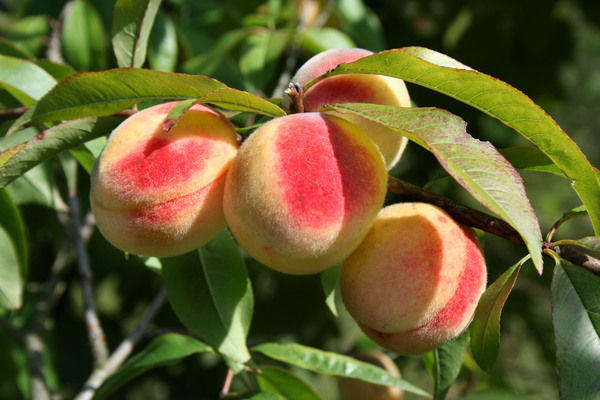
Persica
Prunus persica · Plant · Rosaceae
Persica suits cases of gastric irritability, especially in children during summer with acute dyspeptic conditions. It may also be indicated where visual disturbances accompany weakness of the wrists and itching sensations.
Key symptoms
- Disordered vision and eye irritation from reading
- Loss of smell and taste sensation
- Pains in vertical lines in abdomen, heart, and limbs
- Weak wrists with pain
- Pain under great toenails with persistent itching
- Gastric irritability in children with vomiting and diarrhea

Amygdalus persica. Peach. N. O. Rosaceæ. Tincture of the flowers. Infusion of the bark. Infusion of the leaves.
Clinical
Eyes, irritation of. Gastric irritation. Genital weakness. Smell, loss of. Sprains. Taste, loss of. Toe-nails, affections of. Vision, disordered. Wrists, affections of.
Characteristics
The symptoms were obtained by Demeures whilst pounding the flowers for the purpose of making a tincture, and from later provings with the tincture on himself. The sense of vision was disordered and the eyes irritated. The senses of smell and taste were abolished. Pains in vertical lines in abdomen, heart, limbs; weak wrists; pains under great toenails and persistent itching were the chief effects observed. O. S. Haynes (H. R., v. 214) relates a case apropos of remarks by C. C. Edson on the value of an infusion of Peach bark in the gastric irritability of children. An infant in its second summer had acute dyspeptic diarrhœa, with persistent vomiting of all food. No remedy helped, and the child was sent to …

Phatak's chapter on Persica is available in the app.
Read Phatak in the appClassical texts are in the public domain. Educational reference only — not medical advice.
