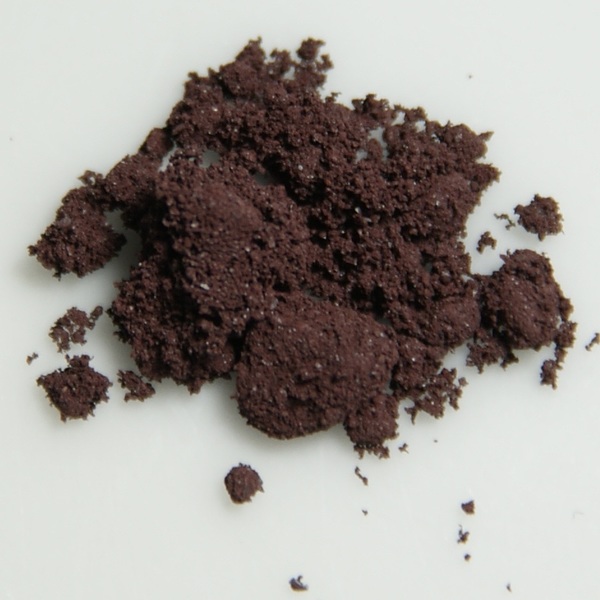
Phosphorus
Phosphorus (element) · Phosphorus, white phosphorus, yellow phosphorus. · Mineral
People who love being the center of attention respond best to Phosphorus. Like a match that sparks readily but burns out intensely, they are artistic, expressive, and affectionate, but may offer more than they can sustain. Illness or stress rapidly exhausts their energy, making them lethargic and indifferent toward loved ones, but highly responsive to any sympathy offered. They feel better for short naps. Vague anxieties crystallize into concrete fears when ill, leading to nervous fatigue and tension.
Cravings for salty, spicy, or sweet foods, and cold, carbonated drinks or cold milk are typical. Warm foods or drinks may upset the stomach, as may cold drinks once they have warmed up in the stomach.
Phosphorus is prescribed for circulation problems, bleeding, digestive disorders, chest complaints, and burning pains.
Key symptoms
- affectionate, open nature
- tearfulness
- cravings for cold drinks & salty foods
- burning pains
- person feels worse for lying on the left side of the body
Worse (aggravation)
- touch
- physical or mental exertion
- twilight
- warm food or drink
- change of weather
- from getting wet in hot weather
- evening
- lying on left or painful side
Better (amelioration)
- in dark
- lying on right side
- cold food
- cold
- open air
- washing with col water
- sleep

Phosphorus
Phosphorus irritates, inflames and degenerates mucous membranes, irritates and inflames serous membranes, inflames spinal cord and nerves, causing paralysis, destroys bone, especially the lower jaw and tibia; disorganizes the blood, causing fatty degeneration of blood vessels and every tissue and organ of the body and thus gives rise to hæmorrhages, and hæmatogenous jaundice.
Produces a picture of destructive metabolism. Causes yellow atrophy of the liver and sub-acute hepatitis. Tall, slender persons, narrow chested, with thin, transparent skin, weakened by loss of animal fluids, with great nervous debility, emaciation, amative tendencies, seem to be under the special influence of Phosphorus. Great susceptibility to external impressions, to light, sound, odors, touch, electrical changes, thunder-storms. Suddenness of symptoms, sudden prostration, faints, sweats, shooting pains, etc. Polycythemia. Blood extravasations; fatty degenerations, cirrhosis, caries, are pathological states often calling for Phosphorus. Muscular pseudo-hypertrophy, neuritis. Inflammation of the respiratory tract. Paralytic symptoms. Ill effects of iodine and excessive use of salt; worse, lying on left side. Tertiary syphilis, skin lesions, and nervous debility. Scurvy. Pseudo-hypertrophic paralysis. Ataxia and adynamia. Osteo myelitis. Bone fragility.
Mind
Great lowness of spirits. Easily vexed. Fearfulness, as if something were creeping out of every corner. Clairvoyant state. Great tendency to start. Over-sensitive to external impressions. Loss of memory. Memory. Paralysis of the insane. Ecstasy. Dread of death when alone. Brain feels tired. Insanity, with an exaggerated idea of one's own importance. Excitable, produces heat all over. Restless, fidgety. Hypo-sensitive, indifferent.
Head
Vertigo of the aged, after rising (Bry). Heat comes from spine. Neuralgia; parts must be kept warm. Burning pains. Chronic congestion of head. Brain-fag, with coldness of occiput. Vertigo, with faintness. Skin of forehead feels too tight. Itching of scalp, dandruff, falling out of hair in large bunches.
Eyes
Cataract. Sensation as if everything were covered with a mist or veil, or dust, or something pulled tightly over eyes. Black points seem to float before the eyes. Patient sees better by shading eyes with hand. Fatigue of eyes and head even without much use of eyes. Green halo about the candlelight (Osmium). Letters appear red. Atrophy of optic nerve. Œdema of lids and about e eyes. Pearly white conjunctiva and long curved lashes. Partial loss of vision from abuse of tobacco (Nux) Pain in orbital bones. Paresis of extrinsic muscles. Diplopia, due to deviation of the visual axis. Amaurosis from sexual excess. Glaucoma. Thrombosis of retinal vessels and degenerative changes in retinal cells. Degenerative changes where soreness and curved lines are seen in old people. Retinal trouble with lights and hallucination of vision.
Ears
Hearing difficult, especially to human voice. Re-echoing of sounds (Caust). Dullness of hearing after typhoid.
Nose
Fan-like motion of nostrils (Lyc). Bleeding; epistaxis instead of menses. Over-sensitive smell, (Carbol ac; Nux). Periostitis of nasal bones. Foul imaginary odors (Aur). Chronic catarrh, with small hæmorrhages; handkerchief is always bloody. Polypi; bleeding easily (Calc; Sang).
Face
Pale, sickly complexion; blue rings under eyes. Hippocratic countenance. Tearing pain in facial bones; circumscribed redness in one or both cheeks. Swelling and necrosis of lower jaw (Amphisbæna; Hecla lava).
Mouth
Swelled and easily bleeding gums, ulcerated. Toothache after washing clothes. Tongue dry, smooth, red or white, not thickly coated. Persistent bleeding after tooth extraction. Nursing sore mouth. Burning in œsophagus. Dryness in pharynx and fauces. Thirst for very cold water. Stricture of œsophagus.
Stomach
Hunger soon after eating. Sour taste and sour eructations after every meal. Belching large quantities of wind, after eating. Throws up ingesta by the mouthfuls. Vomiting; water is thrown up as soon as it gets warm in the stomach. Post-operative vomiting. Cardiac opening seems contracted, too narrow; the food scarcely swallowed, comes up again (Bry; Alum). Pain in stomach; relieved by cold food, ices. Region of stomach painful to touch, or on walking. Inflammation of stomach, with burning extending to throat and bowels. Bad effects of eating too much salt.
Abdomen
Feels cold (Caps). Sharp, cutting pains. A very weak, empty, gone sensation felt in whole abdominal cavity. Liver congested. Acute hepatitis. Fatty degeneration (Carbon tetrachloride; Ars. Chlorof). Jaundice. Pancreatic disease. Large, yellow spots on abdomen.
Stool
Very fetid stools and flatus. Long, narrow, hard, like a dog's. Difficult to expel. Desire for stool on lying on, left side. Painless, copious debilitating diarrhœa. Green mucus with grains like sago. Involuntary; seems as if anus remained open. Great weakness after stool. Discharge of blood from rectum, during stool. White, hard stools. Bleeding hæmorrhoids.
Urine
Hæmaturia, especially in acute Bright's disease (Canth). Turbid, brown, with red sediment.
Male
Lack of power. Irresistible desire; involuntary emissions, with lascivious dreams.
Female
Metritis. Chlorosis. Phlebitis. Fistulous tracks after mammary abscess. Slight hæmorrhage from uterus between periods. Menses too early and scanty-not profuse, but last too long. Weeps before menses. Stitching pain in mammæ. Leucorrhœa profuse, smarting, corrosive, instead of menses. Amenorrhœa, with vicarious menstruation (Bry). Suppuration of mammæ, burning, watery, offensive discharge. Nymphomania. Uterine polyps.
Respiratory
Hoarseness; worse evenings. Larynx very painful. Clergyman's sore throat; violent tickling in larynx while speaking. Aphonia, worse evenings, with rawness. Cannot talk on account of pain in larynx. Cough from tickling in throat; worse, cold air, reading, laughing, talking, from going from warm room into cold air. Sweetish taste while coughing. Hard, dry, tight, racking cough. Congestion of lungs. Burning pains, heat and oppression of chest. Tightness across chest; great weight on chest. Sharp stitches in chest; respiration quickened, oppressed. Much heat in chest. Pneumonia, with oppression; worse, lying on left side. Whole body trembles, with cough. Sputa rusty, blood-colored, or purulent. Tuberculosis in tall, rapidly-growing young people. Do not give it too low or too frequently here, it may but hasten the destructive degeneration of tubercular masses. Repeated hæmoptysis (Acal). Pain in throat on coughing. Nervous coughs provoked by strong odors, entrance of a stranger; worse in the presence of strangers; worse lying upon left side; in cold room.
Heart
Violent palpitation with anxiety, while lying on left side. Pulse rapid, small, and soft. Heart dilated, especially right. Feeling of warmth in heart.
Back
Burning in back; pain as if broken. Heat between the shoulder-blades. Weak spine.
Extremities
Ascending sensory and motor paralysis from ends of fingers and toes. Stitches in elbow and shoulder joints. Burning of feet. Weakness and trembling, from every exertion. Can scarcely hold anything with his hands. Tibia inflamed and becomes necrosed. Arms and hands become numb. Can lie only on right side. Post-diphtheritic paralysis, with formication of hands and feet. Joints suddenly give way.
Sleep
Great drowsiness, especially after meals. Coma vigil. Sleeplessness in old people. Vivid dreams of fire; of hæmorrhage. Lascivious dreams. Goes to sleep late and awakens weak. Short naps and frequent wakings.
Fever
Chilly every evening. Cold knees at night. Adynamic with lack of thirst, but unnatural hunger. Hectic, with small, quick pulse; viscid night-sweats. Stupid delirium. Profuse perspiration.
Skin
Wounds bleed very much, even if small; they heal and break out again. Jaundice. Little ulcer outside of large ones. Petechiæ. Ecchymosis. Purpura hæmorrhagia. Scurvy. Fungous hematodes and excrescences.
Modalities
Worse, touch; physical or mental exertion; twilight; warm food or drink; change of weather, from getting wet in hot weather; evening; lying on left or painful side; during a thunder-storm; ascending stairs. Better, in dark, lying on right side, cold food; cold; open air; washing with col water; sleep.
Relationship
Complementary: Ars; Cepa; Lyc; Silica. Sanguisuya 30-Leech--(Persistent hæmorrhages; effects of use of leeches). Phosph pentachloride (great soreness of mucous membrane of eyes and nose, throat and chest sore).
Incompatible: Caust.
Compare: Tuberculinum follows Phosphor well and complements its action. Phosphorus hydrogenatus (crumbling teeth; hyperæsthesia; locomotor ataxia); Amphisbæna (right jaw swollen and painful). Thymol (Typical sexual neurasthenia; irritable stomach; aching throughout lumbar region; worse, mental and physical exertion); Calc; Chin; Antim; Sep; Lyc; Sulph. In Pneumonia, Pneumococin 200 and Pneumotoxin (Cahis) taken from the Diplococcus lanceolatus of Fraenkel. Pneumonia and paralytic phenomena; pleuritic pain and pain in ilio-cecal region (Cartier).
Antidote: Antidote to Phosph. Poisoning: Turpentine with which it forms an insoluble mass. Also Potass permang. Nux. Phos antidotes the nausea and vomiting of chloroform and ether.
Dose
Third to thirtieth potency. Should not be given too low or in too continuous doses. Especially in tuberculous cases. It may act as Euthanasia here.
The complaints of Phosphorus are most likely to arise in the feeble constitutions, such as have been born sick, grown up slender, and grown too rapidly.
Its complaints are found in such as are emaciated, and in those who are rapidly emaciating; in children who are going into marasmus, and in persons who have in them the foundation of consumption fairly well laid. Delicate, waxy, anemic and emaciated subjects. In persons who are vehement, irascible.
This expresses the person's disposition somewhat as well as his internal constitutional state. Internally he is in a turmoil. Subject to violent pulsations, complaints from electric changes in the atmosphere; violent palpitations and orgasms. In chlorotic girls who have grown too rapidly and have suddenly taken on weakness, pallor, green sickness, with menstrual difficulties. Ebullitions and congestions. Hemorrhagic constitutions.

The Element. P. (A. W. 30.96). Saturated solution in absolute alcohol. Trituration of Red amorphous Phosphorus.
Clinical
Alopecia areata. Amaurosis. Amblyopia. Anæmia, acute pernicious. Anus, fissure of. Antrum, disease of. Arteries, disease of. Asthma. Bone, diseases of. Brain, affections of; softening of. Brain-fag. Breast, abscess of; fistulæ of. Bronchitis; membranous. Cancer; of bone. Cataract. Catarrh; intestinal; nasal. Chilblains. Chlorosis. Chorea. Ciliary neuralgia. Coccygodynia. Cold. Constipation. Consumption. Corpulency. Cough. Croup. Dandruff. Diarrhœa. Dropsy. Ecchymosis. Enteric fever. Ephelis. Epilepsy. Erotomania. Exophthalmos. Exostosis. Eyes, affections of. Fainting. Fatty degeneration. Fistula. Flatulence. Fungus hæmatoides. Gastritis. Glaucoma. Gleet. Gums, ulceration of. Hæmoglobinuria. Hæmorrhagic diathesis. Headache. Heart, degeneration of; murmurs of. Hydrocele. Hydrocephalus. Hysteria. Impotence. Intussusception. Jaundice; malignant; of pregnancy; of anæmia. …
Phosphorus. (The Element.)
Adapted to tall slender persons of sanguine temperament, fair skin, delicate eyelashes, find blond, or red hair, quick perceptions, and very sensitive nature. Young people, who grow too rapidly, are inclined to stoop (to walk stooped, Sulph.); who are chlorotic or anaemic; old people, with morning diarrhoea. Nervous, weak; desires to be magnetized (Sil.). Oversensitiveness of all the senses to external impressions, light, noise, odors, touch. Restless, fidgety; moves continually, cannot sit or stand still a moment (restless, fidgety feet, Zinc.). Burning: in spots along the spine; between the scapulae (as of a piece of ice, Lachn.); or intense heat running up the back; of palms of hands (Lach.); in chest and lungs; of every organ or tissue of the body (Ars., Sulph.); generally in diseases of nervous system. Haemorrhagic diathesis; small wounds bleed profusely (Kreos., Lach.); from every mucous outlet. Great weakness and prostration; with nervous debility and trembling; of whole …
Mind
Anxious and fearful before and during a thunder storm.
Mind
Fear of being alone.
General Face
Oedema of the face, especially of lids and around the eyes.
Hearing and Ears
Difficult hearing, especially of the human voice.
Nose
Frequent blowing of blood in small quantities from the nose.
Nose
Polypus of the nose; easily bleeding.
Mouth and Throat
Toothache of wash women, or from washing clothes.
Mouth and Throat
Throat looks very dry, fairly glistening.
Stomach
As soon as water becomes warm in the stomach it is thrown up.
Stomach
Wants cold food and drink, ice cream; is > by them.
Stomach
Hungry at night; must get up and eat which >.
Abdomen
Sensation of great weakness or emptiness in the abdomen.
-
Pulsations, sticking and burning in the brain.
-
As soon as water becomes warm in the stomach, it is thrown up.
-
Chronic painless diarrhoea of undigested food, with much thirst during the night.
-
Frequent diarrhoea during cholera time; cholerina.
-
Constipation; feces slender, long, dry, tough and hard, like a dog's; voided with difficulty.
-
Cannot talk on account of pain in larynx.
-
Pains in chest with coughing, relieved by external pressure.
-
Dry tickling cough in the evening, with tightness across the chest.
-
Trembling of the whole body while coughing.
-
Can lie only on right side.
-
Small wounds bleed much.
-
Cough worse in evening and night, from change from warm to cold air.

Phatak's chapter on Phosphorus is available in the app.
Read Phatak in the appClassical texts are in the public domain. Educational reference only — not medical advice.
