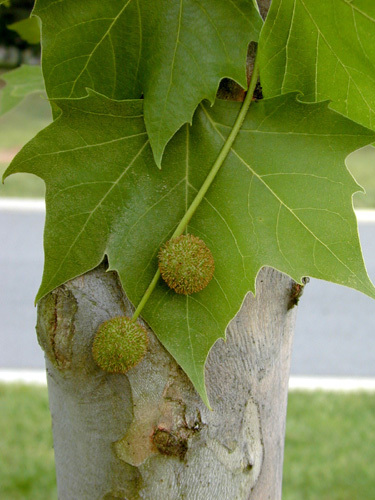
Platanus occidentalis
Plant · Platanaceae
Platanus is suited to patients with chronic skin and ocular nutritional disturbances, particularly ichthyosis and cataract. It acts best in children and must be used for a prolonged period. The remedy addresses strumous constitutions with impaired nutrition of the skin and lens.
Key symptoms
- Tarsal tumors of the eyelid, both acute and old neglected cases
- Ichthyosis with scaly fish-skin disease
- Cataract with gradual silting up of the lens
- Destruction of eyelid tissue with cicatricial deformity of lid

Sycamore-Buttonwood
Tarsal tumors. Apply the tincture. Both acute and old neglected cases, where destruction of tissue occurred and cicatricial contraction caused marked deformity of lid, restored to practically normal conditions. Acts best in children. Must be used for some time. Ichtyosis.

Platanus acerifolia ("the tree commonly grown in and about London as P. occidentalis."--Treas. of Bot.). N. O. Platanaceæ (of the Urtical alliance). Tincture of young shoots.
Clinical
Cataract. Ichthyosis.
Characteristics
Burnett has recorded (Dis. of Skin) a case of ichthyosis in an aged lady, in which Platanus caused considerable improvement in the condition of the skin. Another case (Delicate Children) was that of a girl, 5 1/2, "of the coal-black variety of the strumous, her forehead low and projecting," who was blind from double cataract due to the shock of a fall in the first instance, the lenses having gradually silted up. In this case Platanus Ø was given (five drops night and morning) for a number of months, "with very evident improvement in the nutrition of the child's lenses." [Burnett names the remedy Plat occ.; but his tincture was made from the London tree, which is Plat. acer. It sheds its bark annually, which was the signature of its skin action.]
Classical texts are in the public domain. Educational reference only — not medical advice.
