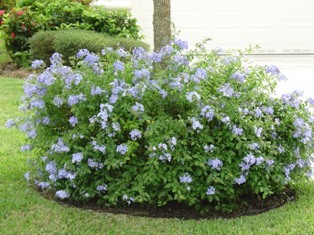
Plumbago
Plumbago littoralis / Plumbago europaea · Plant · Plumbaginaceae
Plumbago suits patients with a taciturn disposition, aversion to everything, and peculiar combinations of local heat and cold. The remedy has marked acrid effects on mucous membranes and skin, with costiveness associated with red urine and profuse milky saliva.
Key symptoms
- Saliva profuse and milky
- Ulceration of commissures of lips
- Costiveness with red urine
- Vertigo after eating
- Pain in humerus on lifting anything
- Hot arms with cold hands
- Aversion to everything; taciturn
- Excessive heat about the head with dartings in head
Worse (aggravation)
- After eating — vertigo

Plumbago littoralis (Mure.─Allen says P. scandens corresponds to Mure's figure, and grows in Brazil. Mure says P. lit. is "a creeper inhabiting the shores in the bay of Rio Janeiro"). N. O. Plumbaginaceæ. Tincture of leaves.
Clinical
Costiveness. Eyes, inflammation in. Fever. Kidneys, pain in. Saliva, milky.
Characteristics
Mure proved this plant. The most peculiar symptoms were: Saliva profuse, milky. Ulceration of commissures of lips. Costiveness with red urine. Vertigo after eating. Pain in humerus on lifting anything. Hot arms with cold hands. "Many of the plants of this genus are acrid and caustic in the highest degree. The root of P. scandens, the Herbe du Diable of San Domingo, is a most energetic blistering agent when fresh; so also is that of P. rosea. The beggars employ P. europea to raise ulcers on their body to excite pity; and used internally it is said to be as effectual an emetic as Ipecacuanha" (Treas. of Bot.). In Mure's proving "Aversion to everything" is noted; also "ulceration of commissures of lips," which is an evidence of its acridity.
Classical texts are in the public domain. Educational reference only — not medical advice.
