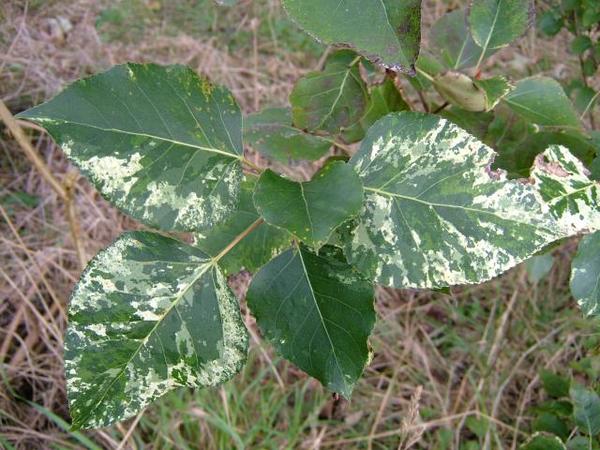
Populus candicans
Populus × jackii (balm of Gilead) · Plant · Salicaceae
Populus Candicans suits patients with acute catarrhal affections causing hoarseness or complete aphonia, combined with a peculiar surface insensibility to pain. The patient tends to discuss symptoms with everyone and has burning irritation of all mucous membranes with hot head and cold extremities.
Key symptoms
- Acute hoarseness or complete aphonia from colds
- General insensibility of body surface, worse back and abdomen
- Pharynx and larynx feel dry; voice weak and toneless
- Burning irritation of eyes, nose, mouth, throat, and air passages
- Finger-ends thickened, horny, and insensible to pinching
- Hot head with cold extremities
- Rawness and soreness of chest and throat
- Children's cough from naso-pharyngeal catarrh with mucus dropping from posterior nares

Balm of Gilead
Seems to have a remarkable power over acute colds, especially when accompanied by a deep, hoarse voice, or even aphonia. General insensibility of surface (worse, back and abdomen); rubbing and pounding borne without pain, and is grateful on account of warmth produced. Finger-ends thickened, horny; insensible to pinching and pricking. Instantaneous voice-producer (Coca).
Head
Discusses her symptoms with every one. Hot head with cold extremities. Cold-sores on lips (Nat mur). Tongue feels thick and numb. Burning irritation of eyes, nose, mouth, throat, and air passages.
Respiratory
Acute hoarseness. Throat and nostrils burn. Sits bent forward with dry cough. Pharynx and larynx feel dry, and the voice weak and toneless. Rawness and soreness of chest and throat. Cough of children caused by naso-pharyngeal catarrh; mucus drops from posterior nares.
Doses
Tincture.

A variety of P. balsamifera. Balm of Gilead. [This name applies especially to the variety P. candicans; but also to all P. balsamiferæ. In England the name "Balm of Gilead tree" is given to the Black Italian Poplar, which abounds in Italy, but the origin of which is not known.] N. O. Salicaceæ. Tincture of the resinous buds.
Clinical
Aphonia. Asthma. Brain, base of, congested. Bullæ. Catarrhal fever. Constipation. Coryza. Dysmenia. Dyspepsia. Dysphagia. Ecthyma. Heart, affections of. Hydroa. Liver, enlargement of. Phosphaturia. Sunstroke. Throat, burning in; paralysis of. Vagina, burning in.
Characteristics
C. F. Nichols (H. P., viii. 234) gives an account of Pop. cand., the effects of which he observed. "The resinous gum exuding from buds and stalks, deliciously aromatic in perfume, is widely used to heal wounds, open sores, and eruptions, and often suppresses these latter to the harm of the patient." As an application, Nichols says, it is like Arn., dangerous, though most people are not susceptible to …
Classical texts are in the public domain. Educational reference only — not medical advice.
