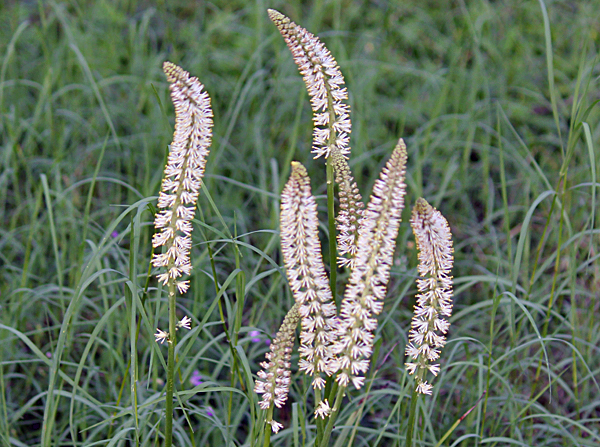
Sabadilla
Schoenocaulon officinale · Schoenocaulon officinale,cebadilla · Plant · Melanthiaceae
Sabadilla is most appropriate for people who are nervous, easily startled, and prone to hysterical paroxysms following a fright. Key physical symptoms associated with this remedy include paroxysmal sneezing, an itchy, tingly nose, copious, watery catarrh, and chilliness. There may be throat pain and inflammation, with a constant desire to clear the throat. Sabadilla is used chiefly for inflammation of the respiratory mucous membranes, possibly due to hay fever, asthma, tonsillitis, or a cold.
Key symptoms
- Spasmodic sneezing with profuse watery nasal discharge
- Hay-fever type coryza with lachrymation and red burning eyelids
- Marked chilliness; very sensitive to cold
- Sore throat beginning on left side; relieved by warm food and drink
- Sensation of lump in throat; constant need to swallow
- Erroneous notions about himself; imagines he is very sick
- Dullness and oppression of head; oversensitivity to odors
- Children's diarrhea with constant cutting pains
Worse (aggravation)
Better (amelioration)

Cevadilla Seed. Asagræa Officialis
Action on mucous membrane of the nose and the lachrymal glands, producing coryza and symptoms like hay-fever, which have been utilized homeopathically. Chilliness; sensitive to cold. Ascarides, with reflex symptoms (nymphomania; convulsive symptoms). Children's diarrhœa with constant cutting pains.
Mind
Nervous, timid, easily startled. Has erroneous notions about himself. Imagines that he is very sick; that parts are shrunken; that she is pregnant; that she has cancer; delirium during intermittents.
Head
Vertigo with sensation as though all things were turning around each other, accompanied by blackness before eyes and sensation of fainting. Dullness and oppression. Over-sensitiveness to odors. Thinking produces headache and sleeplessness. Eyelids red, burning. Lachrymation. Difficult hearing.
Nose
Spasmodic sneezing, with running nose. Coryza, with severe frontal pains and redness of eyes and lachrymation. Copious, watery, nasal discharge.
Throat
Sore; begins on left side (Lach). Much tough phlegm. Sensation of a skin hanging loosely; must swallow it. Warm food and drink relieve. Empty swallowing most painful. Dry fauces and throat. Sensation of a lump in throat with constant necessity to swallow. Chronic sore throat; worse, from cold air. Tongue as if burnt.
Stomach
Spasmodic pain in stomach with dry cough and difficult breathing. No thirst. Loathing for strong food. Canine appetite for sweets and farinaceous food. Pyrosis; copious salivation. Cold, empty feeling in stomach. Desire for hot things. Sweetish taste.
Female
Menses too late; come by fits and starts. Intermit (Kreos; Puls). (due to transient and localized congestion of womb alternating with chronic anæmic state).
Fever
Chill predominates; from below upwards. Heat in head and face; hands and feet icy cold, with chill. Lachrymation during paroxysm. Thirstless.
Extremities
Cracking of skin under and beneath toe; inflammation under toe-nails.
Skin
Dry, like parchment. Horny, deformed, thickened nails. Hot, burning, creeping, crawling sensation. Itching in anus.
Modalities
Worse, cold and cold drinks, full moon. Better, warm food and drink, wrapped up.
Relationship
Complementary: Sepia. Compare: Veratrina (is alkaloid of Sabadilla, not of Veratrum, locally in neuralgias, and for removal of dropsy. Five grains to two drams Lanolin, rubbed on inside of thighs, causes diuresis). Colch; Nux; Arundo and Pollatin. Phleum pratense-Timothy-Hay-fever-Potentized-12-specific to many cases and evidently acts in a desensitizing manner (Rabe). Cumarinum (hay-fever).
Antidotes: Puls; Lycop; Conium; Lach.
Dose
Third to thirtieth potency.
Generals
The Sabadilla patient is a shivering patient, sensitive to the cold air, a cold room, cold food.
He wants to be well wrapped up; wants hot drinks to warm up his stomach. He is subject to catarrhal conditions, and in these he wants hot air. The catarrhal conditions of the throat require hot drinks and food. Warm things are grateful to him. It is difficult to swallow cold things; they increase the pain and difficulty in swallowing.
We often study remedies by contrast. This remedy travels from left to right, and at once a good prescriber connects it with Lachesis. The soreness, pain and inflarnmatory conditions of the throat commence on the left side and spread to the right in both Sabadilla and Lachesis. But warm things aggravate the pain in Lachesis; they cause a spasmodic condition, with a sensation of choking, and therefore he wants cold things, which relieve; they are swallowed more easily and ameliorate the pain in the throat. Sabadilla on the other hand is relieved by heat, either outside or inside.

Asagræa officinalis. Veratrum officinale. Sabadilla officinarum. Cebadilla. Cevadilla. N. O. Melanthaceæ (of the Liliaceæ). Tincture of seeds.
Clinical
Coryza. Debility. Diphtheria. Dyspepsia; of pregnancy. Earache. Epistaxis. Hay asthma. Headache. Head-lice. Imaginary diseases. Influenza. Intermittents. Mania. Melancholia. Neuralgia. Œsophagus, stricture of. Rheumatism. Tapeworm. Throat, sore. Toothache. Uvula elongated. Vertigo. Worms.
Characteristics
Asagræa is a Mexican genus belonging to the Colchicum family, Melanthaceæ. It has only one species, A. officinalis, which furnishes the Cebadilla seeds from which Veratrine is prepared. The seeds were formerly used to destroy vermin (Treas. of Bot.). Saba. first appears in homœopathic literature as one of Stapf's additions, Hahnemann being one of the provers. Stapf's Additions forms a kind of appendix to the Materia Medica Pura. The plant, says Stapf, was first described by Monaides about the year 1572. At first it was almost exclusively used …
Cevadilla. (Liliaceae)
Suited to persons of light hair, fair complexion with a weak, relaxed muscular system. Worm affections of children (Cina, Sil., Spig.). Nervous diseases; twitching, convulsive tremblings, catalepsy; from worms (Cina, Psor.). Illusions: that he is sick; parts shrunken; that she is pregnant when merely distended from flatus; that she has some horrible throat disease that will be fatal. Delirium during intermittents (Pod.). Sneezing: in spasmodic paroxysyms; followed by lachrymation; copious watery coryza; face hot and eyelids red and burning. Diphtheria, tonsillitis; can swallow warm food more easily; stitches and most symptoms, especially of throat, go from left to right (Lach., Lac. c.). Sensation of a skin hanging loosely in throat; must swallow over it. Headache: from too much thinking, too close application of attention (Arg. n.); from worms. Dryness of fauces and throat. Parchment-like dryness of skin.

Phatak's chapter on Sabadilla is available in the app.
Read Phatak in the appClassical texts are in the public domain. Educational reference only — not medical advice.
