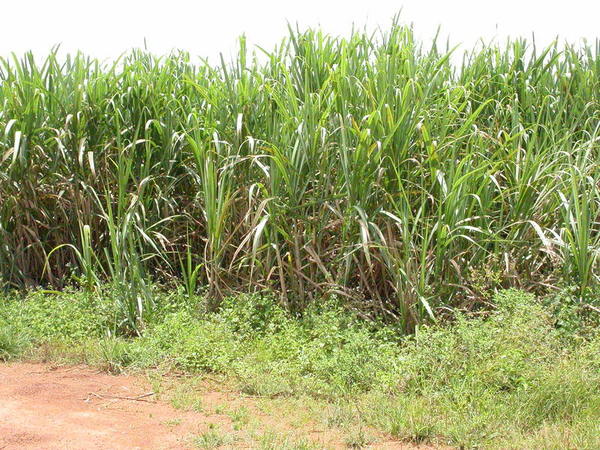
Saccharum officinale
Sucrose (Saccharum officinarum, sugar cane) · Plant · Poaceae
Saccharum officinale is particularly suited to fat, bloated, large-limbed children who are cross, peevish, and whining, wanting dainty foods and refusing substantial meals. According to Hering, excessive sugar consumption underlies many chronic diseases in women and children. The remedy also addresses cardiovascular weakness, wasting disorders, anaemia, and neurasthenia, increasing weight and general power.
Key symptoms
- Fat, bloated, large-limbed children who are cross, peevish, and whining
- Capricious; wants dainty tidbits and refuses substantial food
- Acidity and anal itching
- Headache every seven days
- Opacity of cornea with dim sight
- Oedema of feet
- Cold expectoration
- Myocardial degeneration; cardiac failure from deficient heart muscle

Cane-sugar (SUCROSE)
According to the great Dr. Hering, a large proportion of chronic diseases of women and children are developed by using too much sugar. Sugar is an antiseptic. Combats infection and putrefaction; has a solvent action on fibrin and stimulates secretion by the intense osmotic changes induced, thus rinsing out the wound with serum from within outward, favoring healing. Leg ulcers.
Sugar must be considered a sustainer and developer of the musculature of the heart and hence useful in failure of compensation and a variety of cardio-vascular troubles. Acts as a nutrient and tonic, in wasting disorders, anæmia, neurasthenia, etc, increasing weight and power.
Opacity of cornea. Dim sight. Acidity and anal itching. Cold expectoration. Myocardial degeneration.
Fat, bloated, large-limbed children, who are cross, peevish, whining; capricious; want dainty things, tidbits, and refuse substantial food. Œdema of feet. Headache every seven days
Relationship
Compare: Saccharum lactis-Sugar of milk-lactose--(diuresis; amblyopia; cold pains, as if produced by fine, icy cold needle with tingling, as if frost bitten; great physical exhaustion. Sugar of milk in large doses to develop the Bacillus acidophilus to correct putrefactive intestinal conditions and also constipation).
Dose
Thirtieth potency and higher. Locally in gangrene. One ounce of lump sugar morning and evening valuable adjunct in the treatment of obstinate cases of heart failure due to deficient heart muscle without valvular lesion. Epilepsy; blood with reduced sugar content irritates the nervous system with tending to convulsions.
Sugar as an oxytocic has its most suitable application towards the end of labor when there is no mechanical obstruction and delay is due to uterine inertia. 25 grammes dissolved in water, several times every half hour.
Compare: Saccharin (hinders both the salivary and peptic ferment actions with consequent dyspepsia. Prof. Lewin believes its action to be on the secretory cells themselves and it has caused pain (right hypogastrium), loss of appetite, diarrhœa and wasting).

Sugar. (Including Saccharum album, White Sugar.) Saccharose. C12H22O1l. Trituration. Solution.
Clinical
Ascites. Cataract. Chlorosis. Cornea, opacity of. Diabetes. Dropsy. Dyspepsia. Hair, rapid growth of. Headache, periodic. Hoarseness. Liver, affections of. Ranula. Rheumatism. Rickets. Scurvy. Spleen, affections of. Tabes mesenterica.
Characteristics
Like so many other articles of diet, Sugar may be a poison and a medicine as well as a food. Sugar preserves food, as salt does; and both sugar and salt have produced scurvy. Cases of scurvy-rickets in bottle-fed children have been traced to excess of sugar in their food; and the exclusion of sugar from the dietary of the gouty, rheumatic, and the diabetic, shows the pathogenetic power it is credited with among practitioners of the present day. Acidity of the stomach and itching at the anus are common effects of taking too much Sugar. Lippe published "Fragmentary provings and clinical observations obtained principally from S. Bœnninghausen and S. E. Bute, who …
Classical texts are in the public domain. Educational reference only — not medical advice.
