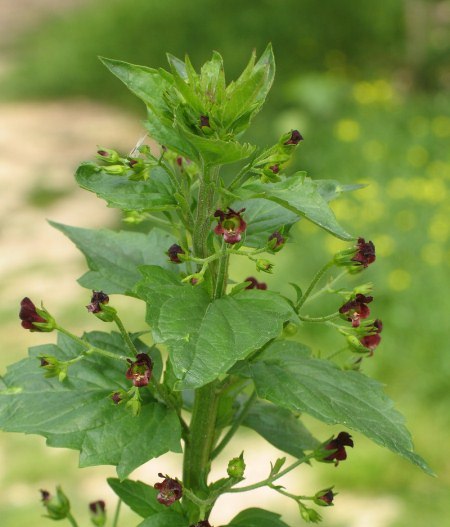
Scrophularia
Scrophularia nodosa (likely) · Plant · Scrophulariaceae
Scrophularia suits scrofulous patients with a tendency to glandular swellings and a particular affinity for breast tumours and enlarged cervical glands. The constitutional type features a bull-necked build with tendency to strumous glandular disease and skin conditions. Cooper used it successfully for deafness and sycosis menti of scrofulous origin.
Key symptoms
- Excessive drowsiness in forenoon, afternoon, and before and after eating
- Vertigo when in upright position
- Accumulation of sweetish water in parts of the tongue
- Sensation of a soft body in the gullet
- Constriction and oppression of chest with trembling as after much weeping
- Enlarged strumous glands that diminish with treatment
- Deafness in bull-necked scrofulous patients
- Hard kernels and painful swollen hemorrhoids
Worse (aggravation)
- Morning
- By study and mental exertion
- Cold air; breathing cold air
- Deep breathing
- Lying on right side
- By rest
- After food
- Open air
Better (amelioration)
- In warm room

Scrophularia nodosa (and S. Marilandica, the American variety introduced from Europe and Asia). Fig-wort. N. O. Scrophulariaceæ. Tincture of whole fresh plant.
Clinical
Appendicitis. Breast, tumours of. Colic. Deafness. Dyspepsia. Enuresis. Eyes, scrofulous affections of. Glands, enlarged. Liver, pains in. Palms, cramp in. Pemphigus. Rheumatism. Sigmoid flexure, pain in. Sleepiness. Stiff-neck. Ureter, pain in.
Characteristics
The plants of the genus Scrophularia "have generally an unpleasant smell. The generic name is derived from the property which the roots were supposed to have of curing scrofula. A decoction of one of the common British species, S. nodosa, is sometimes used by farmers to cure the scab in swine" (Treas. of Bot.). Scrph. was proved by Franz, and later in America by W. H. Blakeley, who took from 10 to 60 drops of the tincture several times a day. Pareira gives the analysis of the drug, which shows it to be very complex. It contains much oxalate and carbonate of lime, as well as …
Classical texts are in the public domain. Educational reference only — not medical advice.
