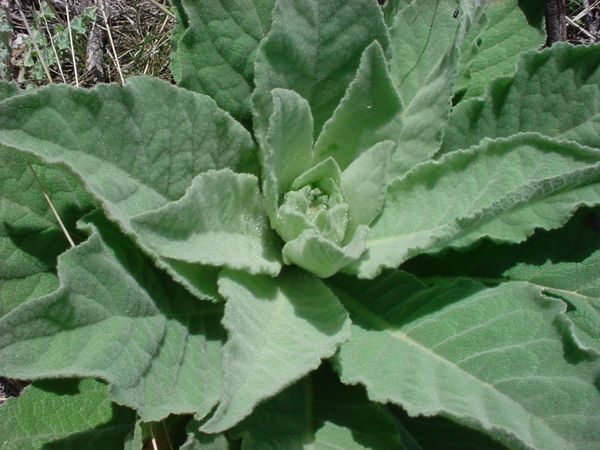
Verbascum thapsus
Verbascum thapsiforme · Great mullein, Aaron’s rod,Verbascum thapsiforme · Plant · Scrophulariaceae
Verbascum is of most benefit to those who are apathetic, lazy, and easily distracted by the varied thoughts that crowd upon them. The symptoms treated by Verbascum are often associated with painful neuralgic conditions, particularly of the facial area. Typical symptoms include neuralgic pains in the face and teeth, especially on the left side, with severe pain in the cheekbones. Irritation and inflammation of the bladder, ears, or respiratory tract may also be eased by the remedy.
In addition, Verbascum is given for painful colds with profuse discharge, watery eyes, and a sensation of the ears having been blocked up. The chest may be congested with catarrh, and the voice may be deep and hoarse. Coughs tend to sound hollow, deep, and hoarse, and occur mainly at night. An intake of breath may cause the coughing to die down.
Key symptoms
- Neuralgia of inferior maxillary nerve; sensation as if parts crushed with tongs
- Left-sided facial neuralgia with lachrymation and coryza
- Pains occur periodically at same hour morning and afternoon each day
- Voice deep, harsh, sounds like a trumpet; basso profundo
- Cough worse at night; asthma
- Enuresis; constant dribbling of urine
- Deafness with otalgia and sense of obstruction in ear
- Cramp-like pain in soles and knee; lower extremities feel heavy
Worse (aggravation)
Better (amelioration)

Mullein (VERBASCUM)
Has a pronounced action on the inferior maxillary branch of the fifth pair of the cranial nerves; on the ear; and respiratory tract and bladder. Catarrhs, and colds, with periodical prosopalgia. Quiets nervous, and bronchial, and urinary irritation, and cough.
Face
Neuralgia affecting zygoma, temporo maxillary joint, and ear (Menyanth), particularly of left side, with lachrymation, coryza, and sensation as if parts were crushed with tongs. Talking, sneezing, and change of temperature aggravate the pains; also, pressing teeth together. Pains seem to come in flashes, excited by least movement, occurring periodically at same hour in morning and afternoon each day.
Ears
Otalgia, with a sense of obstruction. Deafness. Dry, scaly condition of meatus (use locally).
Abdomen
Pain extends deep down, causing contraction of sphincter ani.
Rectum
Many movements a day, with twisting about navel. Hæmorrhoids, with obstructed, hardened stool. Inflamed and painful piles.
Respiratory
Hoarse; voice deep, harsh; sounds like a trumpet; "basso profundo". Cough; worse at night. Asthma. Soreness in pharynx, cough during sleep.
Urinary
Constant dribbling. Enuresis. Burning urination. Increase with pressure in bladder.
Extremities
Cramp-like pain in soles, right foot, and knee. Lower extremities feel heavy. Thumb feels numb. Neuralgic pain in left ankle. Stiffness and soreness of joints of lower extremities.
Modalities
Worse, change of temperature, talking, sneezing, biting hard (inferior dental nerve); from 9 am to 4 pm.
Relationship
Compare: Rhus arom; Caust; Platin; Sphingurus (pain in zygoma).
Dose
Mullein oil, (locally, for earache and dry, scaly condition of meatus. Also for teasing cough at night or lying down. Internally, tincture and lower potencies). Enuresis, five-drop doses night and morning.

Verbascum thapsus. Great Mullein. N. O. Scrophulariaceæ. Tincture of fresh plant at the commencement of flowering. ["Mullein Oil" is prepared by placing the crushed yellow blossoms in a bottle, which is corked and allowed to stand in the sun (Cushing); or by steeping the blossoms in oil and keeping in a warm place till the oil has absorbed them (Gerarde)].
Clinical
Anus, itching of. Colic. Constipation. Cough. Deafness. Enuresis. Hæmorrhoids. Neuralgia. Prosopalgia. Urine, incontinence of.
Characteristics
"The thick woolly leaves of V. thapsus, the Great Mullein, have a mucilaginous, bitterish taste, and a decoction of them is employed in domestic practice in catarrhs and diarrhœa. They are also used as emollient applications to hard tumours and in pulmonary complaints in cattle-hence one of its popular names is Bullock's Lung-wort. It is also called Adam's flannel, from its flannel-like leaves" (Treas. of Bot.). Hahnemann proved Verbascum, and his proving confirms many of the old uses. It produced …

Phatak's chapter on Verbascum thapsus is available in the app.
Read Phatak in the appClassical texts are in the public domain. Educational reference only — not medical advice.
