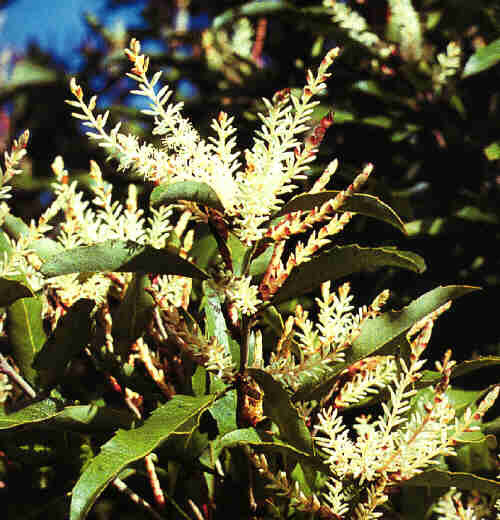
Xantoxylum fraxineum
Zanthoxylum americanum · Plant · Rutaceae
Suited to women of spare habit, nervous temperament, and delicate organisation; neurasthenic patients who are thin and emaciated with poor assimilation, insomnia, and occipital headache; easily startled, hysterical, depressed, and indifferent.
Key symptoms
- Neuralgic dysmenorrhoea with radiating pain down thighs and genito-crural nerves
- Hemiplegia; paralysis of single members, especially left side
- Pricking sensations and shocks as from electricity through the body
- Numbness of the entire left side from head to foot
- Painful after-pains following childbirth
- Occipital headache with neurasthenia and poor assimilation
- Mucous membranes smart and burn as if from pepper
- Painful haemorrhages; menses too early, profuse, almost black
- Aphonia; constant desire to take a long breath; oppression of chest
- Sciatica worse in hot weather; anterior crural neuralgia
Worse (aggravation)
- Moving head suddenly
- Morning; 4 a.m.
- Getting feet wet; suppressed menses
- Dampness; sleeping
- During menses
Better (amelioration)
- Lying down
- Drink of ice water
- Cold water; open air (headache)
- Hard pressure on neck; throwing head back
- Vomiting

Prickly Ash (XANTHOXYLUM)
Its specific action is on the nervous system and mucous membranes. Paralysis, especially hemiplegia. Painful hæmorrhages, after-pains, neuralgic dysmenorrhœa, and rheumatic affections, offer a therapeutic field for this remedy, especially in patients of spare habit and nervous, delicate organization. Indigestion from over-eating or from too much fluid. Sluggish capillary circulation. Neurasthenia, poor assimilation, insomnia, occipital headache. Increases mucous secretion of mouth and stimulates the secretion from all glands with ducts opening in the mouth.
Mind
Nervous, frightened. Mental depression.
Head
Feels full. Weight and pain on vertex. Pain over eyes, throbbing pressure over nose, pressure in forehead; head seems divided; ringing in ears. Occipital headache. Sick headache with dizziness and flatulence.
Face
Neuralgia of lower jaw. Dryness of mouth and fauces. Pharyngitis (Wyethia).
Abdomen
Griping and diarrhœa. Dysentery, with tympanites, tenesmus; inodorous discharges.
Female
Menses too early and painful. Ovarian neuralgia, with pain in loins and lower abdomen; worse, left side, extending down the thigh, along genito-crural nerves. Neuralgic dysmenorrhœa, with neuralgic headaches; pain in back and down legs. Menses thick, almost black. After-pains (Arnica; Cup; Cham). Leucorrhœa at time of menses. Neurasthenic patients who are thin, emaciated; poor assimilation with insomnia and occipital headache.
Respiratory
Aphonia. Constant desire to take a long breath; oppression of chest. Dry cough, day and night.
Extremities
Paralysis of left side following spinal disorders. Numbness of left side; impairment of nerves of motion. Hemiplegia. Pain in nape, extending down back. Sciatica; worse, hot weather. Anterior, crural neuralgia (Staph). Left arm numb. Neuralgic shooting pain, as from electricity, all over limb.
Sleep
Hard and unrefreshing; dreams of flying. Sleeplessness in neurasthenics.
Relationship
Compare: Gnaph; Cimicif; Staph; Mezer; Piscidia-White dogwood--(a nerve sedative. Insomnia due to worry, nervous excitement, spasmodic coughs; pains of irregular menstruation; regulates the flow. Neuralgic and spasmodic affections. Use tincture in rather material doses).
Dose
First to sixth potency.

Xanthoxylum americanum. X. fraxineum. Prickly Ash. Toothache-tree. N. O. Rutaceæ. Tincture of fresh bark.
Clinical
After-pains. Asthma. Coccygodynia. Dysmenorrhœa. Earache. Fibroma. Headache. Hemiplegia. Hysteria. Jaw-joint, pain in. Levitation. Menstruation, painful. Nerves, injured. Nervousness. Neuralgia; crural. Ophthalmia. Sciatica. Toothache. Ulcers.
Characteristics
According to Hale, Rafinesque was the first to investigate Xanthoxylum, which was known to him as "a great article in the materia medica of our Indians"; who use the root bark in decoction for "colics, gonorrhœa, syphilis, inward pains, toothache, ulcers, &c. It is a great topical stimulant," he continues, "changing the nature of malignant ulcers." Xan. contains Piperin. T. C. Duncan (Minn. H. M., ix. 340), recounting reminiscences of his boyhood, says: "There was another drug that set my youthful mouth and stomach on fire, and that was Prickly Ash. You wanted to open the mouth to let the cool air get in." This warmth is felt as a …

Phatak's chapter on Xantoxylum fraxineum is available in the app.
Read Phatak in the appClassical texts are in the public domain. Educational reference only — not medical advice.
