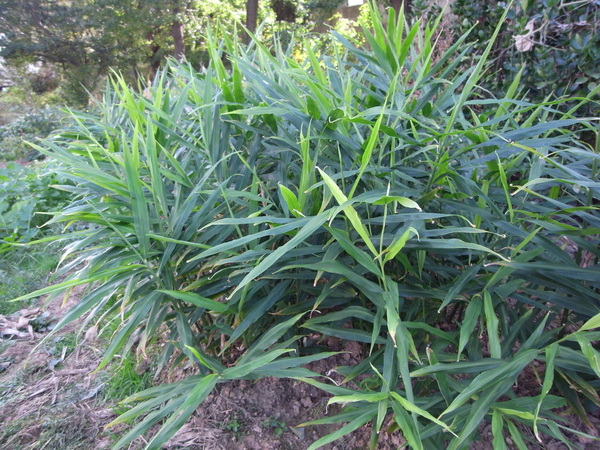
Zingiber officinale
Zingiber officinale (Zingiber officinalis in some texts) · Ginger · Plant · Zingiberaceae
People who benefit most from Zingiber are cheerful even when in great pain. They are nervous and fidgety, and often restless at night, despite being sleepy.
Digestive disorders are chiefly associated with Zingiber. Typical symptoms treated include nausea, vomiting, and colicky pain in the abdomen, with chronic excess mucus production in the intestine. The remedy is also prescribed for asthma that is marked by a total absence of any accompanying anxiety.
Key symptoms
- Complaints from eating melons or drinking impure water
- Stomach feels heavy like a stone; acidity and heartburn
- Diarrhea from bad water with much flatulence and cutting pain
- Asthma without anxiety, worse toward morning
- Hot, sore, painful hemorrhoids; painful anus during pregnancy
- Burning and stinging in urinary orifice; urine thick and turbid
- Sexual desire excited; painful erections with emissions
- Hoarseness; smarting below larynx with difficult breathing
Worse (aggravation)
Better (amelioration)

Ginger (ZINGIBER)
States of debility in the digestive tract, and sexual system and respiratory troubles, call for this remedy. Complete cessation of function of kidneys.
Head
Hemicrania; sudden glimmering before eyes; feels confused and empty. Pain over eyebrows.
Nose
Feels obstructed and dry. Intolerable itching; red pimples.
Stomach
Taste of food remains long, especially of bread and toast. Feels heavy, like from a stone. Complaints from eating melons and drinking impure water. Acidity (Calc; Robinia). Heaviness in stomach on awakening with wind and rumbling, great thirst and emptiness. Pain from pit to under sternum, worse eating.
Abdomen
Colic, diarrhœa, extremely loose bowels. Diarrhœa from drinking bad water, with much flatulence, cutting pain, relaxation of sphincter. Hot, sore, painful anus during pregnancy. Chronic intestinal catarrh. Anus red and inflamed. Hæmorrhoids hot, painful, sore. (Aloe).
Urinary
Frequent desire tu urinate. Stinging, burning in orifice. Yellow discharge from urethra. Urine thick, turbid, of strong odor, suppressed. Complete suppression after typhoid. After urinating, continues to ooze in drops.
Male
Itching of prepuce. Sexual desire excited; painful erections. Emissions.
Respiratory
Hoarseness. Smarting below larynx; breathing difficult. Asthma, without anxiety, worse toward morning. Scratching sensation in throat; stitches in chest. Cough dry, hacking; copious morning sputa.
Extremities
Very weak in all joints. Back lame. Cramps in soles and palms.
Relationship
Compare: Calad.
Antidote: Nux.
Dose
First to sixth potency.

Zingiber officinale. Ginger. N. O. Zingiberaceæ. Tincture of dried rhizome.
Clinical
Albuminuria. Asthma. Breath, offensive. Deltoid rheumatism. Diarrhœa. Dropsy. Flatulence. Ozæna. Post-nasal catarrh. Seminal emissions. Spleen, pains in. Urine, suppressed.
Characteristics
Zng. was proved by Franz and others, and their symptoms make a full pathogenesis. The genito-urinary and respiratory systems were strongly affected. Farrington says ginger is not a safe food to give in kidney affections, as it has caused Bright's disease. Prolonged retention of urine; or complete cessation of the function of the kidneys is an indication for Zng. In the provers it produced a cheerful, good-humoured state of mind; and when this occurs when the opposite might rather be expected, Zng. will probably be the remedy. For instance, in asthma, Farrington gives this indication: Asthma, of gastric origin; attacks come in the night, towards morning. Patient must sit up to breathe; but *despite the severity of the paroxysm, there is …
Classical texts are in the public domain. Educational reference only — not medical advice.
