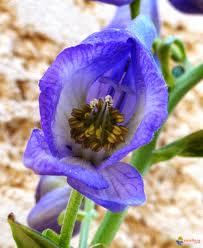
Aconitum napellus
Aconite, monk’s-hood, wolf’s-bane, blue rocket, friar’s-cap. · Plant · Ranunculaceae
Homeopaths consider using Aconite for people who are excitable, generally healthy, and strong but develop illness rapidly and exhibit a marked sinking of strength. Physical and mental symptoms are like a great storm, arising suddenly but also subsiding quickly. Patterns of behavior are characterized by intense fear, anxiety, and restlessness, with susceptibility to extreme phobias, panic attacks, and a fear of death.
Physical symptoms often develop as a result of shock, fear, or exposure to cold, dry winds or, occasionally, intensely hot weather. Acute infections, such as colds and coughs, can be treated with the remedy, particularly at their onset. Aconite may also be prescribed for anxiety states, and for mothers and infants during or immediately after childbirth.
Key symptoms
- complaints triggered by shock or exposure to cold winds
- panic attacks and fear of death
- acute infections of sudden onset
Worse (aggravation)
- Warm room
- Evening and night, especially about midnight
- Lying on affected side
- Music and tobacco-smoke
- Dry, cold winds and exposure to sun
- Wine, stimulants, and drinking
- Motion in muscles and joints
- Heat and cold
Better (amelioration)
- Open air
- Uncovering
- Rest (generally, despite night pains)
- Lying on back for cough and chest stitches
- Bending double for colic and dysmenorrhea

Monkshood
A state of fear, anxiety; anguish of mind and body. Physical and mental restlessness, fright, is the most characteristic manifestation of Aconite. Acute, sudden, and violent invasion, with fever, call for it. Does not want to be touched. Sudden and great sinking of strength. Complaints and tension caused by exposure to dry, cold weather, draught of cold air, checked perspiration, also complaints from very hot weather, especially gastro-intestinal disturbances, etc. First remedy in inflammations, inflammatory fevers. Serous membranes and muscular tissues affected markedly. Burning in internal parts; tingling, coldness and numbness. Influenza. Tension of arteries; emotional and physical mental tension explain many symptoms. When prescribing Aconite remember Aconite causes only functional disturbance, no evidence that it can produce tissue change--its action is brief and shows no periodicity. Its sphere is in the beginning of an acute disease and not to be continued after pathological change comes. In Hyperæmia, congestion not after exudation has set in. Influenza (Influenzin)
Mind
Great fear, anxiety, and worry accompany every ailment, however trivial. Delirium is characterized by unhappiness worry, fear, raving, rarely unconsciousness. Forebodings and fears. Fears death but believes that he will soon die; predicts the day. Fears the future, a crowd, crossing the street. Restlessness, tossing about. Tendency to start. Imagination acute, clairvoyance. Pains are intolerable; they drive him crazy. Music is unbearable; makes her sad (Ambra). Thinks his thoughts come from the stomach--that parts of his body are abnormally thick. Feels as if what had just been done was a dream.
Head
Fullness; heavy, pulsating, hot, bursting, burning undulating sensation. Intercranial pressure (Hedera Helix). Burning headache, as if brain were moved by boiling water (Indigo). Vertigo; worse on rising (Nux. Opium) and shaking head. Sensation on vertex as if hair were pulled or stood on end. Nocturnal furious delirium.
Eyes
Red, inflamed. Feel dry and hot, as if sand in them. Lids swollen, hard and red. Aversion to light. Profuse watering after exposure to dry, cold winds, reflection from snow, after extraction of cinders and other foreign bodies.
Ears
Very sensitive to noises; music is unbearable. External ear hot, red, painful, swollen. Earache (Cham). Sensation as of drop of water in left ear.
Nose
Smell acutely sensitive. Pain at root of nose. Coryza much sneezing; throbbing in nostrils. Hæmorrhage of bright red blood. Mucous membrane dry, nose stopped up; dry or with but scanty watery coryza.
Face
Red, hot, flushed, swollen. One cheek red, the other pale (Cham, Ipec). On rising the red face becomes deathly pale, or he becomes dizzy. Tingling in cheeks and numbness. Neuralgia, especially of left side, with restlessness, tingling, and numbness. Pain in jaws.
Mouth
Numb, dry, and tingling. Tongue swollen; tip tingles. Teeth sensitive to cold. Constantly moves lower jaw as if chewing. Gums hot and inflamed. Tongue coated white (Antim crud).
Throat
Red, dry, constricted, numb, prickling, burning, stinging. Tonsils swollen and dry.
Stomach
Vomiting, with fear, heat, profuse sweat and increased urination. Thirst for cold water. Bitter taste of everything except water. Intense thirst. Drinks, vomits, and declares he will die. Vomiting, bilious mucous and bloody, greenish. Pressure in stomach with dyspnœa. Hæmatemesis. Burning from stomach to œsophagus.
Abdomen
Hot, tense, tympanitic. Sensitive to touch. Colic, no position relieves. Abdominal symptoms better after warm soup. Burning in umbilical region.
Rectum
Pain with nightly itching and stitching in anus. Frequent, small stool with tenesmus; green, like chopped herbs. White with red urine. Choleraic discharge with collapse, anxiety, and restlessness. Bleeding hæmorrhoids (Hamam). Watery diarrhœa in children. They cry and complain much, are sleepless and restless.
Urine
Scanty, red, hot, painful. Tenesmus and burning at neck of bladder. Burning in urethra. Urine suppressed, bloody. Anxiety always on beginning to urinate. Retention, with screaming and restlessness, and handling of genitals. Renal region sensitive. Profuse urination, with profuse perspiration and diarrhœa.
Male
Crawling and stinging in glans. Bruised pain in testicles, swollen, hard. Frequent erections and emissions. Painful erections.
Female
Vagina dry, hot, sensitive. Menses too profuse, with nosebleed, too protracted, late. Frenzy on appearance of menses. Suppressed from fright, cold, in plethoric subjects. Ovaries congested and painful. Sharp shooting pains in womb. After-pains, with fear and restlessness.
Respiratory
Constant pressure in left chest; oppressed breathing on least motion. Hoarse, dry, croupy cough; loud, labored breathing. Child grasps at throat every time he coughs. Very sensitive to inspired air. Shortness of breath. Larynx sensitive. Stitches through chest. Cough, dry, short, hacking; worse at night and after midnight. Hot feeling in lungs. Blood comes up with hawking. Tingling in chest after cough.
Heart
Tachycardia. Affections of the heart with pain in left shoulder. Stitching pain in chest. Palpitation, with anxiety, fainting, and tingling in fingers. Pulse full, hard; tense and bounding; sometimes intermits. Temporal and carotid arteries felt when sitting.
Back
Numb, stiff, painful. Crawling and tingling, as if bruised. Stiffness in nape of neck. Bruised pain between scapulæ.
Extremities
Numbness and tingling; shooting pains; icy coldness and insensibility of hands and feet. Arms feel lame, bruised, heavy, numb. Pain down left arm (Cact, Crotal, Kalmia, Tabac). Hot hands and cold feet. Rheumatic inflammation of joints; worse at night; red shining swelling, very sensitive. Hip-joint and thigh feel lame, especially after lying down. Knees unsteady; disposition of foot to turn (Aescul). Weak and lax ligaments of all joints. Painless cracking of all joints. Bright red hypothenar eminences on both hands. Sensation as if drops of water trickled down the thigh.
Sleep
Nightmare. Nightly ravings. Anxious dreams. Sleeplessness, with restless and tossing about (Use thirtieth potency). Starts up in sleep. Long dreams, with anxiety in chest. Insomnia of the aged.
Skin
Red, hot, swollen, dry, burning. Purpura miliaris. Rash like measles. Gooseflesh. Formication and numbness. Chilliness and formication down back. Pruritus relieved by stimulants.
Fever
Cold stage most marked. Cold sweat and icy coldness of face. Coldness and heat alternate. Evening chilliness soon after going to bed. Cold waves pass through him. Thirst and restlessness always present. Chilly if uncovered or touched. Dry heat, red face. Most valuable febrifuge with mental anguish, restlessness, etc. Sweat drenching, on parts lain on; relieving all symptoms.
Modalities
Better in open air; worse in warm room, in evening and night; worse lying on affected side, from music, from tobacco-smoke, dry, cold winds.
Vinegar in large doses is antidotal to poisonous effects.
Relationship
Acids, wine and coffee, lemonade, and acid fruits modify its action.
Not indicated in malarial and low fevers or hectic and pyæmic conditions, and in inflammations when they localize themselves. Sulphur often follows it. Compare Cham and Coffea in intense pain and sleeplessness.
Agrostis acts like Acon in fever and inflammations, also Spiranthes.
Complementary: Coffea; Sulph. Sulphur may be considered a chronic Aconite. Often completes a cure begun with Aconite.
Compare; Bellad; Cham; Coffea; Ferr, phos.
Aconitine.--(Heavy feeling as of lead; pains in supraorbital nerve; ice-cold sensations creep up; hydrophobia symptoms. Tinnitus aurium 3x). Tingling sensation.
*Aconitum Lycotonum.--*Great yellow wolfsbane.--(Swelling of glands; Hodgkin's disease. Diarrhœa after eating pork. Itching of nose, eyes, anus and vulva. Skin of nose cracked; taste of blood).
Aconitum Cammarum.--(Headache with vertigo and tinnitus. Cataleptic symptoms. Formication of tongue, lips and face).
*Aconitum ferox.--*Indian Aconite.--Rather more violent in its actions than A. napellus. It is more diuretic and less antipyretic. It has proved valuable in cardiac dyspnœa, neuralgia, and acute gout. Dyspnœa. Must sit up. Rapid respiration. Anxiety, with suffocation from feeling of paralysis in respiratory muscles. Cheynes-Stokes breathing. Quebracho (cardiac dyspnœa) (Achyranthes.--A Mexican drug--very similar to Aconite in fevers, but of larger range, being also adapted to typhoidal states and intermittents. Muscular rheumatism. A great diaphoretic. Use 6x). Eranthis hymnalis--(Winter Aconite--acts on solar plexus and works upwards causing dyspnœa. Pain in occiput and neck).
Dose
Sixth potency for sensory affections; first to third for congestive conditions. Must be repeated frequently in acute diseases. Acon is a rapid worker. In Neuralgias tincture of the root often preferable, one drop doses (poisonous), or again, the 30th according to susceptibility of patient.
Introduction
Aconite is a short-acting remedy. Its symptoms do not last long. It is a violent poison in large doses, either destroying life or passing away in its effects quite soon, so that if the patient recovers, the recovery is not delayed. There are no chronic diseases following it.
Like a great storm, it comes and sweeps over and passes away. By a little meditation we will discover what kind of sickness all this is like, and what kind of a patient is most likely to have that short, sudden sickness.
If we think a moment from experience and homoeopathic observation, we will remember that vigorous, plethoric individuals, when they take cold, come down violently, whereas feeble people, sickly people, come down and recover slowly from acute diseases, and do not become so violently and so suddenly sick.

Common Aconite. Monkshood. Wolfsbane. (Moist pastures and waste places in mountainous districts, Central and Southern Europe, Russia, Scandinavia, and Central Asia.) N. O. Ranunculaceæ. Tincture of whole plant with root when beginning to flower.
Clinical
Amaurosis. Anger. Apoplexy. Asthma. Blindness, sudden. Bronchitis. Catalepsy. Catheter fever. Chest, affections of. Chicken-pox. Cholera. Cholera infantum. Cold. Coldness. Consumption. Convulsions. Cough. Croup. Cystitis. Dengue fever. Dentition. Diarrhœa. Dropsy. Dysentery. Dysmenorrhœa. Ear, affections of. Enteritis. Erythema nodosum. Excitement. Eye, affections of. Face, flushing of. Fear, effects of. Fever. Fright, effects of. Glands swollen. Glossitis. Gonorrhœa. Hæmorrhages. Hæmorrhoids; strangulated. Headache. Heart, affections of. Hip-joint, diseased. Hodgkin's disease. Hyperpyrexia. Influenza. Jaundice. Joints, affections of. Labour. Lactation. Laryngitis. Liver, inflammation of. Lumbago. …
Monkshood (Ranunculacea.)
It is generally indicated in acute or recent cases occurring in young persons, especially girls, of a full, plethoric habit who lead a sedentary life; persons easily affected by atmospheric changes; dark hair and eyes, rigid muscular fibre. Complaints caused by exposure to dry cold air, dry north or west winds, or exposure to draughts of cold air while in a perspiration; bad effects of checked perspiration. Great fear and anxiety of mind, with great nervous excitability; afraid to go out, to go into a crowd where there is any excitement or many people; to cross the street. The countenance is expressive of fear; the life is rendered miserable by fear; is sure his disease will prove fatal; predicts the day he will die; fear of death during pregnancy. Restless, anxious, does everything in great haste; must change position often; everything startles him. Pains; are intolerable, they drive him crazy; he becomes very restless; at night. Hahnemann says: "Whenever Aconite is chosen …
Mind
Predicts the day she is to die, in pregnancy or child-bed; fear of death.
Mind
After a fright with vexation, particularly during catamenia (to prevent suppression).
General Face
On rising the red face turns deathly pale.
General Face
Neuralgia of trigeminus, left side, face red and hot; restlessness, anguish and screaming.
Sight and Eyes
When little sharp foreign bodies have entered the eyes, before they can be removed, and after removal.
Sight and Eyes
Catarrhal inflammation of the eyes, red, inflammed, vessels deep red, pressive shooting pains, especially in the morning in eyeballs, no discharge; conjunctivitis from exposure to dry cold wind; first stage of acute inflammations.
-
Numbness and tingling in all parts.
-
Skin dry, burning hot, intense thirst for cold water, red face sometimes changing to pale.
-
Croupy cough, awakening in first sleep, particularly with children after dry, cold west wind.
-
Conjunctivitis resulting from exposure to dry, cold winds, from surgical operations or from a foreign body in the eye.
-
Cannot bear the pain, or to be touched, or to be uncovered.
-
First stages of inflammatory fevers, before localization, eruption, or exudation has occurred, characterized by great anxiety, and restlessness, often in chilly stages, before febrile symptoms have developed.
-
Hemoptysis, the blood comes up with an easy hawking, hemming or some coughing, either after mental excitement, after drinking wine, or exposure to dry cold air.

Phatak's chapter on Aconitum napellus is available in the app.
Read Phatak in the appClassical texts are in the public domain. Educational reference only — not medical advice.
