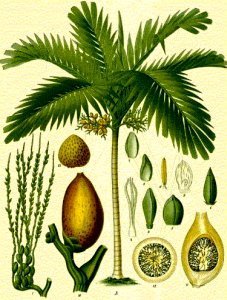
Angustura vera
Galipea officinalis · Angostura,Galipea officinalis,Cusparia trifoliata,Bonplandia trifoliata · Plant · Rutaceae
Angustura is best suited to people who are either timid and weak, or oversensitive, touchy, and “filled with bitterness.” They are often very restless at night, waking for no reason, and unable to get back to sleep. Their dreams are vivid, anxious, and unsettling, and they may crave coffee.
The remedy is typically prescribed for rheumatic conditions and nervous system disorders, especially those affecting the nerves in the spine or causing paralysis. Symptoms include tension and stiffness in the muscles and joints, making them feel sore and bruised. There may be tearing pains in the bones that lead to difficulty in walking. The tissues may even decay due to painful ulcers that penetrate the bone marrow and cause the bones to crumble, particularly the long bones of the body.
Key symptoms
- Great craving for coffee is a characteristic symptom
- Crackling in all joints
- Stiffness of muscles and joints
- Caries of long bones
- Rheumatic and paralytic complaints with difficulty in walking
- Principal action on spinal motor nerves and mucous membranes
- Pain in knees; cold fingers
- Diarrhea and colic with tenesmus
- Oversensitive; bends backward
Worse (aggravation)
Better (amelioration)

Bark of Galipea Cusparia
Rheumatic and paralytic complaints-great difficulty in walking. Crackling in all joints.
The greatest craving for coffee is a characteristic symptom. Caries of long bones. Paralysis. Tetanus. Stiffness of muscles and joints. Oversensitive.
Principal action on spinal motor nerves and mucous membranes.
Head
Oversensitive. Headache, with heat of face. Acute pain in cheeks. Drawing in facial muscles. Pain in temporal muscles, when opening the jaws. Pain in articulation of jaw, in masseter muscles, as if fatigued by chewing too much. Cramp-pain on the zygomatic arch.
Stomach
Bitter taste. Irresistible desire for coffee. Pain from navel into sternum. Atonic dyspepsia. Belching, with cough (Ambra).
Abdomen
Diarrhœa and colic. Tenesmus with soft stool; chronic diarrhœa, with debility and loss of flesh. Burning in anus.
Back
Itching along back. Pain in cervical vertebræ. Drawing in the neck. Pain in spine, at nape of neck and sacrum, worse on pressure. Twitching and jerking along back. Bends backward.
Extremities
Stiffness and tension of muscles and joints. Pain in limbs on walking. Arms tired and heavy. Caries of long bones. Coldness of fingers. Pain in knees. Cracking in joints.
Skin
Caries, very painful ulcers which affect the bone.
Relationship
Compare: Nux; Ruta; Mercur; Brucea. -Bark of Nux vomica or angustura falsa (Tetanic spasms with undisturbed consciousness, worse noise, liquids, paralyzed lower extremities, worse least touch, cries for fear of being touched. Painful jerking of legs; cramp-like pain in knees; rigid and lame limbs of paralytics. For pain in the passing of calculus).
Dose
Sixth potency.

Bark of Galipea cusparia. Bonplandia trifoliata. (From Angustura, South America.) N. O. Rutaceæ. Trituration and tincture of the bark.
Clinical
Bone-pains. Caries. Diarrhœa. Injuries. Intermittent fevers. Myopia. Spavin in horses. Tetanus. Toothache. Whooping-cough.
Characteristics
The effects of Angustura are closely allied to those of Nux, Ruta, and Mercurius. The mental condition is one of over-sensitiveness and excitability; the slightest offence, a mere trifle, irritates as with Nux. On the other hand there is pusillanimity, which corresponds more to Ruta. Among the prominent features are: Drawing, tension, stiffness of muscles and joints; bruised, sore feeling as after a blow. Drawing of head to right side, later to left. Shortsighted. Heat in forehead at night. Exostosis of lower jaw. Trismus neonatorum (where much Mercury had been given). Drawing in upper r. molar tooth > application of cold finger. Thirst, constant desire to drink. Irresistible desire to drink coffee. Hiccough after cough. …
Bones
Caries and very painful ulcers, which affect the bones and pierce them to the marrow.
Bones
Caries of tubular bones (pierces the marrow), with abnormal craving for coffee.
Classical texts are in the public domain. Educational reference only — not medical advice.
