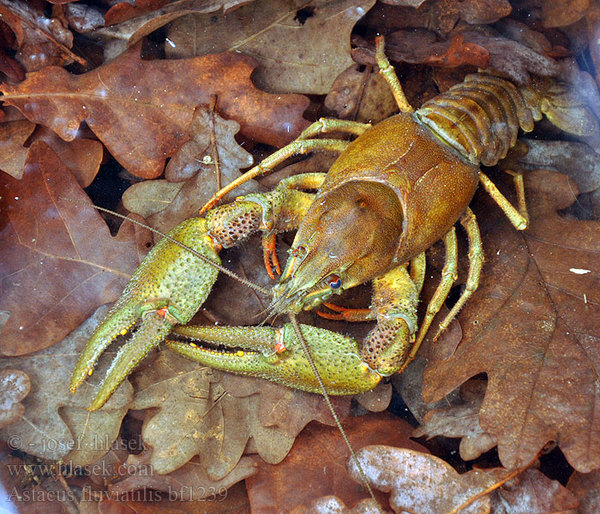
Astacus fluviatilis
Astacus astacus (European crayfish) · Freshwater crayfish, river crab. · Animal
Astacus is best suited to people who feel unprotected and vulnerable during transitional phases in their lives. They are often taciturn loners who desire calmness and clarity, but tend to be vague and absent-minded, their heads feeling full of cotton balls.
Astacus has a strong affinity with the liver, digestion, glands, and skin. It is well known as a remedy for urticaria (hives), particularly if the rash is accompanied by cramps and pain, or inflammation in the liver area that feels worse for pressure on it. There may be stinging pains in the temples, ears, and kidneys, and the glands may be enlarged and inflamed, especially in children and the elderly.
Key symptoms
- Skin symptoms most important; urticaria the leading indication
- Nettle-rash with liver complaint is a great characteristic
- Itching; crusta lactea with enlarged lymphatic glands
- Erysipelas and liver affections with nettle-rash
- Swelling of cervical glands; jaundice
- Inward chilliness; very sensitive to air; worse uncovering
- Violent fever with headache
Worse (aggravation)
Better (amelioration)

Crawfish (CANCER ASTACUS)
Skin symptoms most important. Urticaria.
Skin
Nettle-rash over whole body. Itching. Crusta lactea, with enlarged lymphatic glands. Erysipelas, and liver affections with nettle-rash. Swelling of cervical glands. Jaundice.
Fever
Inward chilliness; very sensitive to air, worse uncovering; violent fever, with headache.
Relationship
Compare: Bombyx-Caterpillar-Itching of whole body (Urticaria). Apis; Rhus; Nat m; Homar.
Dose
Third to thirtieth potency.

Cancer fluviatilis. Crawfish or River Crab. N. O. Crustaceæ. Tincture from whole animal.
Clinical
Biliousness. Colic. Cough. Diarrhœa. Fever. Glands, enlarged. Intermittent fever. Jaundice. Liver complaints. Nettle-rash. Neuralgia. Shiverings. Stomach, disorders of. Toothache. Tumours.
Characteristics
The well-known effects of shell-fish, as well as of other fish, in producing nettle-rash is exemplified in Astacus beyond all other varieties. The lacquer-workers of the East have discovered in the river-crab the best antidote to the effects of Rhus which they employ in their craft. The liver is markedly affected, and a great characteristic is "nettle-rash with liver complaint." jaundice of children. Itching of various parts. Crusta lactea, with large lymphatic glands. Enlarged glands of neck in children and old people. Pain and tenderness of liver, jaundice, stools of pipe-clay colour. Inward chilliness and sensitiveness to air; < uncovering. Violent fever with headache, glowing red face, inward chilliness. Nervous crawls over body. Tumours, recent. Gout of drinking people. Stinging pains are felt in various parts. A notable remedy.

Respiratory Organs
Cough did not molest him while walking, but returned as soon as he sat down.

Phatak's chapter on Astacus fluviatilis is available in the app.
Read Phatak in the appClassical texts are in the public domain. Educational reference only — not medical advice.
