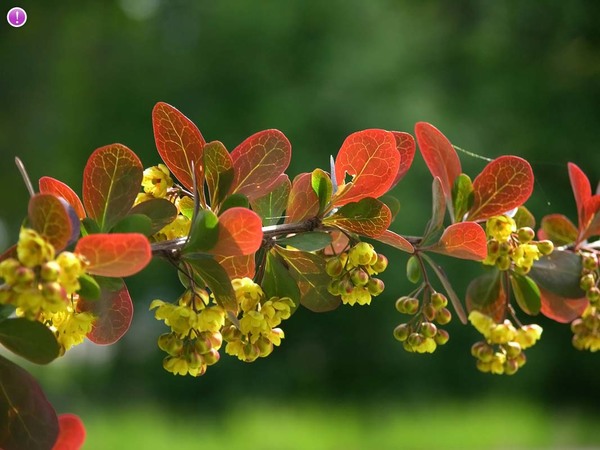
Berberis vulgaris
Barberry, pipperidge bush. · Plant · Berberidaceae
People who respond well to Berberis are prone to lethargy, inertia, and listlessness. They can find it difficult to sustain any mental effort or to think straight. They can be especially anxious at twilight, when objects may appear larger than life and distorted so that they may be mistaken for monsters.
Typical physical symptoms for those who need Berberis include pallor, hollow eyes and cheeks, and dry mucous membranes. Berberis is given for a particular type of pain, typically described as deep, sharp, neuralgic or colicky pain radiating outward, and often shifting from one part of the body to another. This type of sudden pain is often linked with kidney infection, arthritis, or gout. Berberis has a strong affinity with the urinary and digestive systems, and is used mainly in the treatment of kidney disorders
Key symptoms
- colicky kidney pains
- radiating pains
- lethargy and listlessness
- colicky pains in the region of the gallbladder
Worse (aggravation)
- Standing aggravates pains
- Active exercise aggravates
- Motion aggravates (pressure in occiput worse on motion)

Barberry
Rapid change of symptoms-pains change in regard to place and character-thirst alternates with thirstlessness, hunger, and loss of appetite, etc. Acts forcibly on the venous system, producing pelvic engorgements and hæmorrhoids.
Hepatic, and rheumatic affections, particularly with urinary, hæmorrhoidal and menstrual complaints.
Old gouty constitutions. Pain in region of kidneys is most marked; hence its use in renal and vesical troubles, gall-stones, and vesical catarrh. It causes inflammation of kidneys with hæmaturia. Pains may be felt all over body, emanating from small of back. It has also marked action on the liver, promoting the flow of bile. Often called for in arthritic affections with urinary disturbances. Wandering, radiating pains. Acts well in fleshy persons, good livers, but with little endurance. Spinal irritation. All Berberis pains radiate, are not worse by pressure, but worse in various attitudes, especially standing and active exercise.
Head
Listless, apathetic, indifferent. Puffy sensation, feeling as if becoming larger. Vertigo with attacks of fainting. Frontal headache. Chilliness in back and occiput. Tearing pain in auricle, and gouty concretions. Sensation of a tight cap pressing upon the whole scalp.
Nose
Dry; obstinate catarrh of left nostril. Crawling in nostrils.
Face
Pale, sickly. Sunken cheeks and eyes, with bluish circles.
Mouth
Sticky sensation. Diminished saliva. Sticky, frothy saliva, like cotton (Nux mosch). Tongue feels scalded, vesicles on tongue.
Stomach
Nausea before breakfast. Heartburn.
Abdomen
Stitches in region of gall-bladder; worse, pressure, extending to stomach. Catarrh of the gall-bladder with constipation and yellow complexion. Stitching pain in front of kidneys extending to liver, spleen, stomach, groins, Poupart's ligament. Sticking deep in ilium.
Stool
Constant urging to stool. Diarrhœa painless, clay-colored, burning, and smarting in anus and perineum. Tearing around anus. Fistula in ano.
Urinary
Burning pains. Sensation as if some urine remained after urinating. Urine with thick mucus and bright-red, mealy sediment. Bubbling, sore sensation in kidneys. Pain in bladder region. Pain in the thighs and loins on urinating. Frequent urination; urethra burns when not urinating.
Male
Neuralgia of spermatic cord and testicles. Smarting, burning, stitching in testicles, in prepuce and scrotum.
Female
Pinching constriction in mons veneris, vaginismus, contraction and tenderness of vagina. Burning and soreness in vagina. Desire diminished, cutting pain during coition. Menses scanty, gray mucus, with pain in kidneys and chilliness, pain down thighs. Leucorrhœa, grayish mucus, with painful urinary symptoms. Neuralgia of ovaries and vagina.
Respiratory
Hoarseness; polypus of larynx. Tearing stitches in chest and region of heart.
Back
Stitches in neck and back; worse, respiration. Sticking pain in region of kidneys radiating thence around abdomen, to hips and groins. Numb, bruised sensation. Stitches from kidneys into bladder. Tearing, sticking with stiffness, making rising difficult, involving hips, nates, limbs, with numbness. Lumbago (Rhus; Tart em). Metatarsus and metacarpus feel sprained. Post-operative pain in lumbar region; soreness with sharp pain following course of circumflex iliac nerve to bladder with frequent urination.
Extremities
Rheumatic paralytic pain in shoulders, arms, hands and fingers, legs and feet. Neuralgia under finger-nails, with swelling of finger-joints. Sensation of cold on outside of thighs. Heels pain, as if ulcerated. Stitching between metatarsal bones as from a nail when standing. Pain in balls of feet on stepping. Intense weariness and lameness of legs after walking a short distance.
Skin
Flat warts. Itching, burning and smarting; worse, scratching; better, cold applications. Small pustules over whole body. Eczema of anus and hands. Circumscribed pigmentation following eczematous inflammation.
Fever
Cold sensation in various parts, as if spattered with cold water. Warmth in lower part of back, hips, and thighs.
Modalities
Worse, motion, standing. It brings on, or increases, urinary complaints.
Relationship
Compare: Ipomea-Convolvulus Duratinus-Morning Glory. --(Pain in left lumbar muscles on stooping. Kidney disorders with pain in back. Much abdominal flatulence. Aching in top of right shoulder renal colic; aching in small of back and extremities), Aloe; Lycopod; Nux; Sarsap. Xanthorrhea arborea (severe pain in kidneys, cystitis and gravel. Pain from ureter to bladder and testicles; pain in small of back returns from least chill or damp). Xanthoriza apifolia-Shrub Yellow Root--contains Berberine. Dilatation of stomach and intestines, atony, enlarged spleen.
Antidotes: Camphor; Bell.
Dose
Tincture, to sixth potency.

Barberry. (Britain.) N. O. Berberidaceæ. Tincture of the bark of the root.
Clinical
Biliary colic. Bilious attack. Bladder affections. Calculus. Duodenum, catarrh of. Dysmenorrhœa. Fevers. Fistula. Gall-stones. Gravel. Herpes. Irritation. Jaundice. Joint affections. Knee, pain in. Leucorrhœa. Liver disorder. Lumbago. Ophthalmia. Oxaluria. Renal colic. Polypus. Rheumatism. Sacrum, pain in. Side pain. Spermatic cords, neuralgia of. Spleen, affections of. Tumours. Urine, disorders of. Vaginismus.
Characteristics
The usual preparations of Berberis are made from the root bark. Berberis mahonia has a great local repute in the popular treatment of the low fever (typhoid) of the Rocky mountains, an infusion of the fresh plant being used. Chills and fever are among the prominent effects of Berb. vulg.: "Coldness of body with hot face, commencing 11 a.m.; burning heat in afternoon, < during night." Ague with enlargement of spleen, of spleen pains. Affections of liver and kidneys are strongly marked; …
Barberry (Berberidaceae)
The renal or vesical symptoms predominate. Pain in small of back; very sensitive to touch in renal region; < when sitting and lying, from jar, from fatigue. Burning and soreness in region of kidneys. Numbness, stiffness, lameness with painful pressure in renal and lumbar regions. Pale, earthy complexion, with sunken cheeks and hollow, blue-encircled eyes. Rheumatic and gouty complaints, with diseases of the urinary organs. Colic from gall-stones. Bilious colic, followed by jaundice; clay-colored stools; fistula in ano, with bilious symptoms and itching of the parts; short cough and chest complaints, especially after operations for fistulae (Cal. p., Sil.). Stitching, cutting pain from left kidney following course of ureter into bladder and urethra (Tab., - r. kidney, Lyc.). Renal colic. < left side (Tab. - either side), with urging and strangury. (Canth.). Rubbing sensation in kidneys (Med.). Urine: greenish, blood-red, with thick, slimy mucus; transparent, reddish or jelly-like sediment. Movement brings on or increases urinary complaints.

Phatak's chapter on Berberis vulgaris is available in the app.
Read Phatak in the appClassical texts are in the public domain. Educational reference only — not medical advice.
