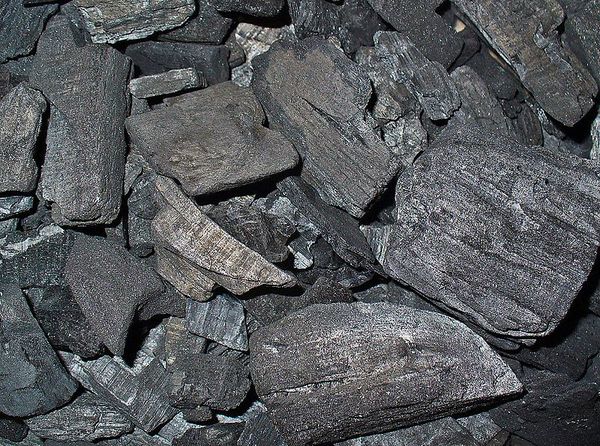
Carbo animalis
Animal charcoal (from oxhide) · Animal charcoal. · Animal
Carbo an. is typically prescribed for elderly people with strong nostalgia for the past and an aversion to modern life. They tend to feel chilly, feeble, abandoned, and that “everything was better in the old days.”
The remedy is mainly used for painful, slow-developing symptoms associated with old age, poor nutrition, and decay, such as swollen, painful veins, poor circulation with blue extremities, cancer, and great fatigue. Pains typically feel as if they are burning, cutting, or stabbing.
Carbo an. is used particularly in the treatment of cancer, especially cancers of the glands or the uterus, and for distension of the abdomen after abdominal surgery.
Key symptoms
- Induration of glands with bluish, distended veins
- All secretions are offensive
- Stitch remaining after pleurisy
- Menses profuse and exhausting; can hardly speak after
- Painful indurations in breast, especially right
- Weak digestion with flatulence and burning
- Desire to be alone; avoids conversation
Worse (aggravation)
Better (amelioration)

Animal Charcoal
Seems to be especially adapted to scrofulous and venous constitutions, old people, and after debilitating disease, with feeble circulation and lowered vitality. Glands are indurated, veins distended, skin blue. Stitch remaining after pleurisy. Easily strained from lifting. Weakness of nursing women. Ulceration and decomposition. All its secretions are offensive. Causes local congestions without heat.
Mind
Desire to be alone, sad and reflective, avoids conversation. Anxiety at night, with orgasm of blood.
Head
Headache, as if head had been blown to pieces. Rush of blood with confusion. Sensation as if something lay above eyes so that she could not look up. Bluish cheeks and lips. Vertigo followed by nose-bleed. Nose swollen, tip bluish small tumor on it. Hearing confused; cannot tell direction of sound.
Stomach
Eating tires patient. Weak, empty feeling in stomach. Burning and griping. Weak digestion. Flatulence. Ptomaine poisoning. Repugnance to fat food. Sour water from mouth. Pyrosis.
Female
Nausea of pregnancy; worse at night. Lochia offensive (Kreos; Rhus; Secale). Menses too early, frequent long lasting, followed by great exhaustion, so weak, can hardly speak (Cocc), flow only in morning (Bor; Sep). Burning in vagina and labia. Darting in breast; painful indurations in breast, especially right. Cancer of uterus, burning pain down thighs.
Respiratory
Pleurisy, typhoid character, and remaining stitch. Ulceration of lung, with feeling of coldness of chest. Cough, with discharge of greenish pus.
Skin
Spongy ulcers, copper-colored eruption. Acne rosacea. Chilblains, worse in evening, in bed and from cold. Verruca on hands and face of old people, with bluish color of extremities. Glands indurated, swollen, painful, in neck, axillæ, groin, mammæ; pains lancinating, cutting, burning (Con; Merc iod flav). Burning, rawness and fissures; moisture. Bubo.
Extremities
Pain in coccyx; burns when touched. Ankles turn easily. Straining and over-lifting produce great debility. Joints weak. Easy discoloration. Pain in hip joints at night. Night sweat fetid and profuse. Wrist pain.
Modalities
Worse, after shaving, loss of animal fluids.
Relationship
The Carbon group all have putrid discharges and exhalations. All act on the skin, causing interrigo and excoriations. Glandular enlargements and catarrhal states, flatulency and asphyxiation.
Carbon Tetrachlorid is said to cause fatty liver (Phosph; Ars; Chlorof). Paralysis of interosseus muscles of feet and hands. Wonderful clinical results in the treatment of Hook worm disease. See Thymol (Relationship).
Complementary: Calc phos.
Antidotes: Ars; Nux.
Compare: Badiaga; Sepia; Sulph; Plumb iod.
Dose
Third to thirtieth potency. The third trituration for insufflation in aural polypi.
Carbo animalis is one of the deep-acting, long-acting medicines. Suitable in complaints that come on insidiously, that develop slowly, that become chronic and often malignant in character.
Complaints in anaemic, broken down constitutions. Vascular conditions. The Carbonsaffect the veins more or less, relaxing, paralyzing. This one has its own peculiar feature of infiltrating little veins. just as sure, as an organ in the Carbo animalis patient becomes congested it becomes hard and purple from infiltration, and has a tendency to remain so.
Glands and veins
In an inflammation of a gland the veins become weak, and infiltrated, the gland itself becomes hard and sore, the tissues around it indurate, and the skin over it becomes purple. The glands of the throat and axilla grow purple and indurated with no tendency to soften.

Animal Charcoal. Made from charred ox-hide. Contains Calc. phos. C (impure). Trituration.
Clinical
Acne rosacea. Aneurism. Appetite, disordered. Breast, cancer of. Bubo. Cancer. Cataract. Constipation. Coccygodynia. Cough. Empyema. Eructations. Face, eruption on. Gangrene. Glandular indurations. Hæmorrhoids. Headache. Home-sickness. Hypertrophy. Lactation, effects of. Legs, pains in. Leucorrhœa. Lumbago. Nose, affections of. Otorrhœa. Pancreas, indurated. Perspiration, altered. Pleurisy. Polypus. Scrofula. Strabismus. Syphilis. Tongue, affections of. Trachea, affections of. Ulceration. Uterus, cancer of. Vision, disorders of.
Animal Charcoal
Headache: as if a tornado in head; as if head had been blown to pieces; has to sit up at night and hold it together. Diseases of elderly persons with marked venous plethora, blue cheeks, blue lips, and great debility. Circulation feeble, stagnated, and vital heat sinks to a minimum; cyanosis (Ant. t., Carbo v.). Glands: indurated, swollen, painful; in neck, axillae, groin, mammae; pains lancinating, cutting, burning (Con.). Benign suppurations change into ichorous or malignant conditions. Easily strained from lifting, even small weights; straining and overlifting easily produce great debility; ankles turn when walking. Joints weak; easily sprained by slight exertion (Led.). Aversion to open, dry, cold air. After appearance of menses so weak she can hardly speak (Alum., Coc.); menses flow only in the morning. Hearing confused; cannot tell from what direction a sound comes. A stitching pain remains in chest after recovery from pleurisy (Ran. b.); Menstruation, leucorrhoea, diarrhoea are all exhausting (Ars. - are all offensive, Psor.).
Female Sexual Organs
Menstruation produces great exhaustion, so much so that she is scarcely able to speak.
-
Eructations tasting of food eaten long before.
-
Teeth loose and sensitive on chewing.
-
Offensive, debilitating night sweats, staining linen yellow.
-
Glandular diseases of the schirrhous nature, with fetid discharges, accompanied by great prostration and debility.

Phatak's chapter on Carbo animalis is available in the app.
Read Phatak in the appClassical texts are in the public domain. Educational reference only — not medical advice.
