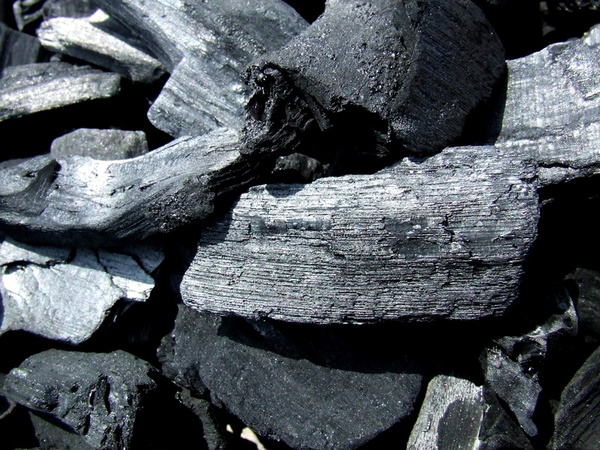
Carbo vegetabilis
Vegetable charcoal · Charcoal, wood charcoal · Plant · Non-plant (carbon mineral)
People who need Carbo veg. may be in a state of physical and mental collapse. It is used for debilitated states ranging from a simple faint or fatigue to exhaustion or more serious collapse. Those affected may never have fully recovered from a previous illness. Symptoms include extreme weariness on making the least effort, indifference, and anxiety at night, along with a fear of the supernatural.
Typical physical symptoms include a cold, clammy body, a sallow face, weakness, and numbness or burning pain in the limbs. A tendency to suffer from trapped gas is common.
Despite usually feeling cold, people who respond to Carbo veg. like fresh air, especially if it is fanned over their faces. They may crave junk foods, coffee, sweets, and salt, and long for alcohol although it makes them feel unwell. In common with herbalists, homeopaths often give the remedy for flatulence and weak digestive functioning. Carbo veg. may also be taken for respiratory problems, or for a poor, sluggish constitution, particularly in the elderly.
Key symptoms
- listless behavior
- confusion
- coldness
- collapse
- person feels better from fanned air
- flatulence
- desire for sweets, coffee, salt, and alcohol
Worse (aggravation)
- Warmth; warm, damp weather
- Evenings and night
- Rich and fatty food; butter; wine
- Coffee; milk; meat
- Lying down; after eating
Better (amelioration)
- Being fanned; open air and fresh air
- Cold air; eructations relieve stomach
- Elevating the feet

Vegetable Charcoal
Disintegration and imperfect oxidation is the keynote of this remedy. The typical Carbo patient is sluggish, fat and lazy and has a tendency to chronicity in his complaints. Blood seems to stagnate in the capillaries, causing blueness, coldness, and ecchymosis. Body becomes blue, icy-cold. Bacteria find a rich soil in the nearly lifeless stream and sepsis and typhoidal state ensues.
A lowered vital power from loss of fluids, after drugging; after other diseases; in old people with venous congestions; states of collapse in cholera, typhoid; these are some of the conditions offering special inducements to the action of Carbo veg. The patient may be almost lifeless, but the head is hot; coldness, breath cool, pulse imperceptible, oppressed and quickened respiration, and must have air, must be fanned hard, must have all the windows open. This is a typical state for Carbo veg. The patient faints easily, is worn out, and must have fresh air. Hæmorrhage from any mucous surface. Very debilitated. Patient seems to be too weak to hold out. Persons who have never fully recovered from the effects of some previous illness. Sense of weight, as in the head (occiput), eyes and eyelids, before the ears, in the stomach, and elsewhere in the body; putrid (septic) condition of all its affections, coupled with a burning sensation. General venous stasis, bluish skin, limbs cold.
Mind
Aversion to darkness. Fear of ghosts. Sudden loss of memory.
Head
Aches from any over-indulgence. Hair feels sore, falls off easily; scalp itches when getting warm in bed. Hat pressed upon head like a heavy weight. Head feels heavy, constricted. Vertigo with nausea and tinnitus. Pimples on forehead and face.
Face
Puffy, cyanotic. Pale, hippocratic, cold with cold sweat; blue (Cup; Opium). Mottled cheeks and red nose.
Eyes
Vision of black floating spots. Asthenopia. Burning in eyes. Muscles pain.
Ears
Otorrhœa following exanthematous diseases. Ears dry. Malformation of cerumen with exfoliation of dermoid layer of meatus.
Nose
Epistaxis in daily attacks, with pale face. Bleeding after straining, with pale face; tip of nose red and scabby, itching around nostrils. Varicose veins on nose. Eruption in corner of alæ nasi. Coryza with cough, especially in moist, warm weather. Ineffectual efforts to sneeze.
Mouth
Tongue coated white or yellow brown, covered with aphthæ. Teeth very sensitive where chewing; gums retracted and bleed easily. Blood oozing from gums when cleaning teeth. Pyorrhea.
Stomach
Eructations, heaviness, fullness, and sleepiness; tense from flatulence, with pain; worse lying down. Eructations after eating and drinking. Temporary relief from belching. Rancid, sour, or putrid eructations. Waterbrash, asthmatic breathing from flatulence. Nausea in the morning. Burning in stomach, extending to back and along spine. Contractive pain extending to chest, with distention of abdomen. Faint gone feeling in stomach, not relieved by eating. Crampy pains forcing patient to bend double. Distress comes on a half-hour after eating. Sensitiveness of epigastric region. Digestion slow; food putrefies before it digests. Gastralgia of nursing women, with excessive flatulence, sour, rancid belching. Aversion to milk, meat, and fat things. The simplest food distresses. Epigastric region very sensitive.
Abdomen
Pain as from lifting a weight; colic from riding in a carriage; excessive discharge of fetid flatus. Cannot bear tight clothing around waist and abdomen. Ailments accompanying intestinal fistulæ. Abdomen greatly distended; better, passing wind. Flatulent colic. Pain in liver.
Rectum and Stool
Flatus hot, moist, offensive. Itching, gnawing and burning in rectum. Acrid, corrosive moisture from rectum. A musty, glutinous moisture exudes. Soreness, itching moisture of perineum at night. Discharge of blood from rectum. Burning at anus, burning varices (Mur ac). Painful diarrhœa of old people. Frequent, involuntary cadaverous-smelling stools, followed by burning. White hæmorrhoids; excoriation of anus. Bluish, burning piles, pain after stool.
Male
Discharge of prostatic fluid at stool. Itching and moisture at thigh near scrotum.
Female
Premature and too copious menses; pale blood. Vulva swollen; aphthæ; varices on pudenda. Leucorrhœa before menses, thick, greenish, milky, excoriating (Kreos). During menstruation, burning in hands and soles.
Respiratory
Cough with itching in larynx; spasmodic with gagging and vomiting of mucus. Whooping cough, especially in beginning. Deep, rough voice, failing on slight exertion. Hoarseness; worse, evenings, talking; evening oppression of breathing, sore and raw chest. Wheezing and rattling of mucus in chest. Occasional spells of long coughing attacks. Cough, with burning in chest; worse in evening, in open air, after eating and talking. Spasmodic cough, bluish face, offensive expectoration, neglected pneumonia. Breath cold; must be fanned. Hæmorrhage from lungs. Asthma in aged with blue skin.
Extremities
Heavy, stiff; feel paralyzed; limbs, go to sleep; want of muscular energy; joints weak. Pain in shins. Cramp in soles; feet numb and sweaty. Cold from knees down. Toes red, swollen. Burning pain in bones and limbs.
Fever
Coldness, with thirst. Chill begins in forearm. Burning in various places. Perspiration on eating. Hectic fever, exhausting sweats.
Skin
Blue, cold ecchymosed. Marbled with venous over distension. Itching; worse on evening, when warm in bed. Moist skin; hot perspiration; senile gangrene beginning in toes; bed sores; bleed easily. Falling out of hair, from a general weakened condition. Indolent ulcers, burning pain. Ichorous, offensive discharge; tendency to gangrene of the margins. Purpura. Varicose ulcers, carbuncles (Ars; Anthrac).
Modalities
Worse, evening; night and open air; cold; from fat food, butter, coffee, milk, warm damp weather; wine. Better, from eructation, from fanning, cold.
Relationship
Antidotes: Spirits Nitre; Camph; Ambra; Arsenic.
Compare: Carboneum-Lampblack (Spasms commencing in tongue, down trachea and extremities. Tingling sensation). Lycop; Ars; China.
Complementary: Kali carb; Dros.
Dose
First to third trituration in stomach disorders. Thirtieth potency and higher in chronic conditions, and in collapse.
We will take up the study of Vegetable Charcoal - Carbo veg.
It is a comparatively inert substance made medicinal and powerful, and converted into a great healing agent, by grinding it fine enough. By dividing it sufficiently, it becomes similar to the nature of sickness and cures folks.
The Old School use it in tablespoonful doses to correct acidity of the stomach. But it is a great monument to Hahnemann. It is quite inert in crude form and the true healing powers are not brought out until it is sufficiently potentized. It is one of those deep acting, long-acting antipsoric medicines. It enters deeply into the life, in its proving it develops symptoms that last a long time, and it cures conditions that are of long standing-those that come on slowly and insidiously.

Vegetable Charcoal. C (impure). Trituration.
Clinical
Acidity. Acne. Angina Pectoris. Aortitis. Aphonia. Asthenopia. Asthma. Breasts, erysipelas of. Bronchitis. Burns. Carbuncle. Catarrh. Chilblains. Cholera. Constipation. Cough. Deafness. Debility. Diarrhœa. Distension. Dysentery. Dyspepsia. Emphysema. Erysipelas. Eructations. Feet, cold. Flatulence. Gangrene. Hæmorrhages. Hæmorrhoids. Hair, falling out. Headache. Heart, diseases of. Influenza. Intermittents. Intertrigo. Irritation. Laryngitis. Lungs, congested. Measles. Mumps. Nose, bleeding of. Œsophagitis. Orchitis. Otorrhœa. Pregnancy, disorders of. Purpura. Scabies. Scurvy. Shiverings. Sleep, disorders of. Starting. Stomach, disordered. Stomatitis. Trachea, dryness of. Tympanites. Typhus. Ulcers. Yellow fever.
Vegetable Charcoal
For the bad effects of exhausting diseases, whether in young or old (Cinch., Phos., Psor.); cachetic persons whose vitality has become weakened or exhausted. Persons who have never fully recovered from the exhausting effects of some previous illness; asthma dates from measles or pertusis of childhood; indigestion from a drunken debauch; bad effects of a long ago injury; has never recovered from effects of typhoid (Psor.). Ailments: from quinine, especially suppressed intermittents; abuse of mercury, salt, salt meats; spoiled fish, meats, or fats; from getting overheated (Ant. c.). Bad effects from loss of vital fluids (Caust.); haemorrhage from any broken down condition of mucous membranes (Cinch., Phos.). Weakness of memory and slowness of thought. Epistaxis in daily attacks, for weeks, worse from exertion; face pale before as well as after a haemorrhage. Haemorrhage from any mucous outlet; in systems broken down, debilitated; blood oozes from weakened tissues; vital force exhausted. *Hippocratic …
General Face
Face very pale, grayish yellow color; hippocratic.
Hearing and Ears
Deafness after acute exanthemata, or abuse of Mercury; ears too dry.
Nose
Severe nosebleed, long continued, or several times daily for weeks; great paleness of the face.
Nose
Frequent sneezing; with constant and violent crawling and tickling in the nose.
Mouth and Throat
Tongue painfully sensitive when chewing; gums become loosened and retracted from teeth.
Mouth and Throat
Looseness of teeth, with bleeding gums. Which are very sensitive when chewing.
Stomach
Gastralgia, distended with flatulence, < lying down.
Abdomen
Colic from flatulence; abdomen full to bursting.
-
Head painfully sensitive to pressure, especially of the hat; sensation remains after hat is taken off, as if bound up with a cloth.
-
Gums painfully sensitive while chewing.
-
A version to meat, fat and milk which cause flatulency.
-
Excessive flatulence, abdomen full to bursting; worse from least food; better from eructations and passing flatus.
-
Violent, almost constant, empty, sour and rancid eructations.
-
Great roughness in the larynx, with deep rough voice, which failed, if he exerted it; worse evenings.
-
Hoarseness and rawness worse evenings; aphonia worse mornings.
-
Burning in the chest as from glowing coals, with rawness and soreness.

Phatak's chapter on Carbo vegetabilis is available in the app.
Read Phatak in the appClassical texts are in the public domain. Educational reference only — not medical advice.
