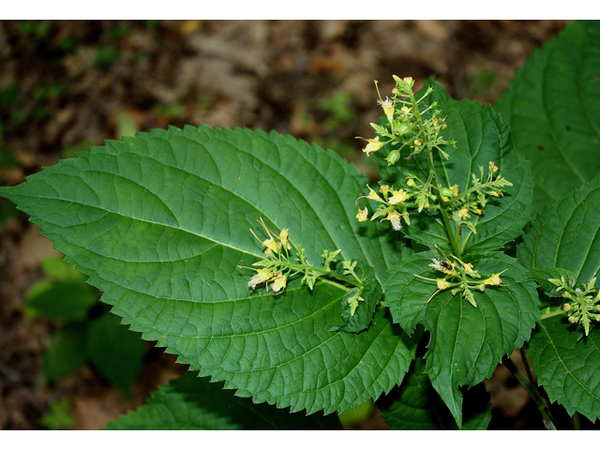
Collinsonia canadensis
Stoneroot, horsebalm, richweed. · Plant · Lamiaceae
Collinsonia is best suited to people who have a gloomy temperament. They tend to experience strange bodily sensations, including the feeling that the body is being pricked by needles, that it is enlarged, and that the lower limbs are disembodied.
The classic symptom for this remedy is of sore, bleeding hemorrhoids, with a sensation of constriction, pricking pain, and sharp sticks in the rectum, which is prone to fissures.
Collinsonia is also used for menstrual pain, pelvic aches, and labor or pregnancy problems such as an itchy vulva during pregnancy, or diarrhea after labor. It is especially appropriate if symptoms occur with rectal or bowel disorders.
Key symptoms
- Chronic nasal, gastric, and pharyngeal catarrh
- Constipation of children from intestinal atony
- Most obstinate constipation
- Alternate constipation and diarrhœa
- Itching of anus
Worse (aggravation)
Better (amelioration)

Stone-Root
Pelvic and portal congestion, resulting hæmorrhoids and constipation, especially in females. Depressed arterial tension, general atony of muscular fiber. Chronic nasal, gastric, and pharyngeal catarrh, due to portal obstruction. Dropsy from cardiac disease. Pruritus in pregnancy, with piles. Constipation of children from intestinal atony. Said to be of special value when given before operations, for rectal diseases. Sense of weight and constriction. Venous engorgement.
Head
Dull frontal headache; from suppressed hæmorrhoids. Chronic catarrh. Yellow-coated tongue. Bitter taste (Colocy; Bry).
Rectum
Sensation of sharp sticks in rectum. Sense of constriction. Vascular engorgement of rectum. Dry feces. Most obstinate constipation, with protruding hæmorrhoids. Aching in anus and hypogastrium. Constipation during pregnancy; with membranous dysmenorrhœa, following labor (Nux). Painful bleeding piles. Dysentery, with tenesmus. Alternate constipation and diarrhœa, and great flatulence. Itching of anus (Teucrium; Ratanh).
Female
Dysmenorrhœa; pruritus of vulva; prolapse of womb; swelling and dark redness of genitals; pain on sitting down. Membranous dysmenorrhœa, with constipation. Pruritus. Cold feeling in thighs after menstruation. Sensation of swelling of labia and of clitoris.
Respiratory
Cough from excessive use of voice; "minister's sore throat"; sharp pain in larynx. Hoarseness. Harassing, dry cough.
Heart
Palpitation; rapid but weak. Dropsy. After heart symptoms relieved, piles or menses return. Chest-pains alternate with hæmorrhoids. Oppression, faintness, and dyspnœa (Acon ferox).
Modalities
Worse, from the slightest mental emotion or excitement; cold. Better, heat.
Relationship
Antidote: Nux.
Compare: Aescul; Aloes; Hamam; Lycopus; Negundo; Sulph; Nux.
Dose
Tincture, to third attenuation. Higher potencies where there is organic heart affection.

Horsebalm. Richweed. Stone-root. N. O. Labiatæ. Tincture of fresh root. Trituration.
Clinical
Constipation. Diarrhœa. Dropsy (cardiac). Dysentery. Dysmenorrhœa. Dyspepsia. Hæmorrhages. Hæmorrhoids. Heart, affections of. Irritation. Labour. Pregnancy, affections of. Proctitis. Pruritus vulvæ. Rheumatism.
Characteristics
Collinsonia is native to North America. It has a very tough, hard, knotted root. It has been proved twice, first by Burt and later by Dowla. The former took the tincture, the latter the powder. Both experienced headache, the former in connection with abdominal and rectal disturbance, the latter with flushing, sensation of heat, numbness, feeling of enlargement. The legs felt light, as if he could run like a deer. Nux vomica relieved the sensations, the symptoms passing off from above downwards. In Dr. Burt's case the symptoms generally passed from above downwards. As a domestic remedy, and among the eclectics, it is known as a remedy for chronic catarrhal conditions, especially of stomach, …

Stone Root. (Labiatae)
Pelvic and portal congestion, resulting in dysmenorrhoea and haemorrhoids. Congestion of pelvic viscera, with haemorrhoids, especially in latter months of pregnancy. Dropsy from cardiac disease. Palpitation; in patients subject to piles and indigestion; heart's action persistently rapid but weak. After heart is relieved old piles reappear, or suppressed menses return. Chronic, painful, bleeding piles; sensation as if sticks, sand or gravel had lodged in rectum (Aesc.). Haemorrhoidal dysentery with tenesmus. Alternate constipation and diarrhoea; congestive inertia of lower bowel; stools sluggish and hard with pain and great flatulence. Constipation. Pruritus in pregnancy with haemorrhoids, unable to lie down.
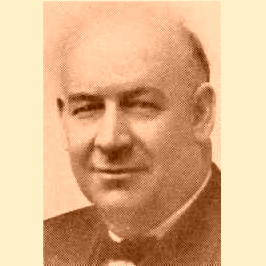
- Hemorrhoids and constipation when associated with functional disturbances of the heart, arising therefrom; or dysmenorrhoea, pruritis vulva, prolapsus, uteri etc

Phatak's chapter on Collinsonia canadensis is available in the app.
Read Phatak in the appClassical texts are in the public domain. Educational reference only — not medical advice.
