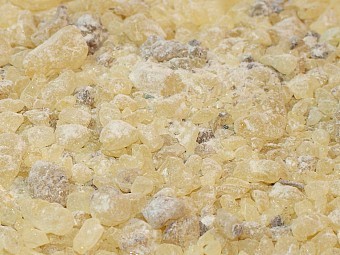
Copaiva officinalis
Copaifera officinalis · Balsam of copaiva,Copaifera officinalis · Plant · Fabaceae
Copaiva is given to restless, overwrought people who are prone to burning pains, and a feeling of heaviness or pressure on any part of the body. Their nervous system is oversensitive, and they tend to feel startled when they hear noises, and to weep on hearing piano music. A key symptom associated with the remedy is excessive discharge from the mucous membranes. This includes urinary tract discharges, catarrh during a cold, and profuse, greenish gray, offensive-smelling mucus during a bout of chronic bronchitis. The remedy is also used as a treatment for mucus discharges associated with leucorrhea (abnormal discharge from the vagina), urethritis (inflammation of the urethra), and gonorrhea.
Key symptoms
- Burning and dryness
- Mucous Colitis
- Cold and catarrhs.
Worse (aggravation)
Better (amelioration)

Balsam of Copaiva (COPAIVA)
Acts powerfully on mucous membranes, especially that of the urinary tract, the respiratory organs, and the skin, here producing a well-marked nettle-rash. Cold and catarrhs.
Head
Excessive sensitiveness; pain in occiput. Dull, frontal headache, passes to occiput and back again, with throbbing, worse right side and motion. Scalp sensitive. Sensitive to sharp sounds.
Nose
Rawness and soreness of nostrils with stopped-up feeling; dryness of posterior nares. Profuse, thick, fetid discharge from nasal passages, running down throat at night. Burning and dryness, crusts on turbinated bones. Marked catarrhal condition in upper respiratory tract.
Stomach
Food seems too salty. Gastric troubles during menstruation or following urticaria. Gas and intestinal flatulence, urging to stool and difficult passage with pain.
Urinary
Burning pressure; painful micturition by drops. Retention, with pain in bladder, anus, and rectum. Catarrh of bladder; dysuria. Swelling of orifice. Constant desire to urinate. Urine smells of violets. Greenish, turbid color; peculiar pungent odor.
Rectum
Mucous Colitis. Stools covered with mucus, with colic and chilliness. Burning and itching of anus, caused by piles.
Male
Testicles sensitive and swollen.
Female
Itching of vulva and anus, with bloody purulent discharge. Profuse, strong-smelling menstrual discharge, with pains radiating to hip bones, with nausea.
Respiratory
Cough, with profuse, gray, purulent expectoration. Tickling in larynx, trachea, and bronchi. Bronchial catarrh, with profuse greenish, offensive discharge.
Skin
Hives, with fever and constipation. Roseola. Erysipelatous inflammation, especially around abdomen. Circumscribed lenticular patches, with itching; mottled appearance. Chronic urticaria in children. Bullous eruptions.
Relationship
Antidotes: Bell; Merc.
Compare: Santalum--(aching in kidneys); Cannab; Canth; Barosma; Cubeb; Apis; Vespa; Erig; Senecio; Sepia.
Dose
First to third attenuation.

Copaiva. Copaifera officinalis. N. O. Leguminosæ. Tincture of the balsam.
Clinical
Acne. Anus, itching of. Bladder, irritable. Blenorrhagia. Bronchitis. Catarrh. Cough. Cystitis. Dysentery. Fistula. Gastritis. Gonorrhœa. Hæmorrhoids. Measles. Nose-bleed. Prostatitis. Pruritus. Urethritis. Urticaria. Vulva, inflammation of.
Characteristics
Copaiva is an old-world remedy for gonorrhœa, and it has also been used for other blenorrhagic conditions. It has been proved; and observations have been made on patients who have overdosed themselves with the drug. The chief incidence of the drug's action is on the genito-urinary organs, and rectum. It is suited to the irritable bladder of old women. Irritation accompanying thickening of bladder. Burning at neck of bladder and in urethra; discharge milky, corrosive; meatus tumid and inflamed. It affects the skin and mucous membranes generally. In chronic bronchitis it is useful when there is profuse, greenish-grey, disgusting-smelling sputa. A. P. Bowie (Med. Adv., xx. …

Phatak's chapter on Copaiva officinalis is available in the app.
Read Phatak in the appClassical texts are in the public domain. Educational reference only — not medical advice.
