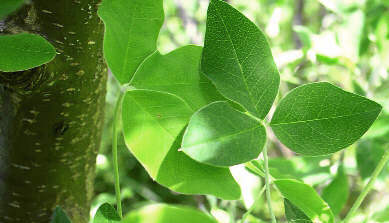
Cytisus laburnum
Laburnum anagyroides · Plant · Fabaceae
Laburnum poisoning produces stupefaction, indifference, constant vertigo, intense sleepiness, twitching of facial muscles, and great prostration with constriction in the throat and stiffness of the nape. Cerebrospinal meningitis and hydrocephalus have been noted. Nausea, vomiting with burning epigastric pain, excessive thirst, and grass-green urine are digestive features.

Laburnum (LABURNUM)
All parts of this shrub are poisonous, producing inflammation of stomach and intestines, with vomiting, diarrhœa, headache, paleness of face and cold skin. Widespread anæsthesia, and convulsions are some of the chief effects of this drug. Cerebrospinal meningitis. Great prostration, sense of constriction in throat, stiffness of nape, tearing from nape into occiput, lusterless eyes.
Head
Stupefaction; indifference (Phos ac). Unequally dilated pupils; giddiness; twitching of facial muscles (Agaric). Hydrocephalus. Constant vertigo, intense sleepiness.
Stomach
Excessive thirst. Constant nausea, vomiting; burning pain in epigastrium.
Tenesmus and erections. Grass-green urine.
Extremities
Numbness and pain in hands. Difficulty in moving them.
Compare: Nux; Gels. Cystine (produces motor paralysis resembling that of curare and death through respiratory paralysis).
Dose
Third potency.
Classical texts are in the public domain. Educational reference only — not medical advice.
