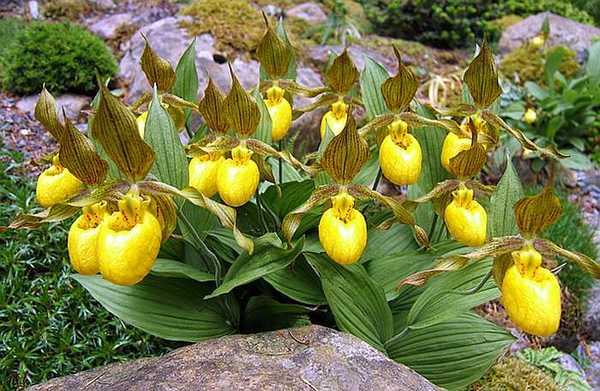
Cypripedium pubescens
Cypripedium parviflorum var. pubescens · Plant · Orchidaceae
Cypripedium is suited to patients with nervous disorders from mental over-excitement or reflex nervous irritation, including children who wake in the night wide awake, lively, and playful. Nervous weakness following influenza, sleeplessness with pleasant crowding of ideas, jactitation, and twitching of limbs are characteristic. It also acts as an antidote to Rhus poisoning.

Yellow Lady's Slipper (CYPRIPEDIUM)
The skin symptoms correspond to those of poisoning by Rhus, for which it has been found an efficient antidote. Nervousness in children; from teething and intestinal troubles. Debility after gout. Hydrocephaloid symptoms, result of long, exhausting diarrhœa. Sleeplessness. Cerebral hyperasthesia in young children often the result of overstimulation of brain.
Head
Child cries out at night; is wakeful and begins to laugh and play. Headaches of elderly people and during climacteric.
Relationship
Compare: Ambra; Kali brom; Scutellar; Valerian; Ignat. Skin relatives: Grindelia; Anacard.
Dose
Tincture, to sixth attenuation. For Poison Oak, 5 drops of tincture per dose, also locally.

Lady's Slipper. N. O. Orchidaceæ. Tincture and infusions of fresh root gathered in autumn.
Clinical
Brain affections. Chorea. Convulsions. Debility and sleeplessness.─Delirium tremens. Ecstasy. Epilepsy. Mental despondency. Nervous debility. Neuralgia. Post-influenzal debility. Sleeplessness. Spermatorrhœa. Stye.
Characteristics
Cypr. has great repute as a "nervine" among eclectics, and in domestic practice. It ranks with Scutellaria and Valerian. A strong infusion causes exhilaration followed by calmness; and is much resorted to by women whose nerves are shattered by long illness, or excessive indulgence in green-tea or coffee (Hale). It is suited to nervous disorders from mental over-excitement, or reflex nervous excitement; to nervous weakness following influenza. It is indicated in the brain-hyperesthesia of children who wake in the night lively and full of play. Ecstasy, preliminary to incipient brain disorder. Epilepsy from reflex irritation. Jactitation and trembling; twitching of limbs.
Classical texts are in the public domain. Educational reference only — not medical advice.
