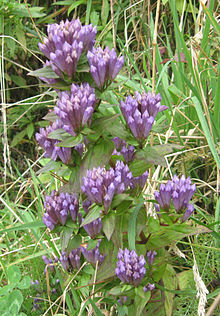
Gentiana quinqueflora
Gentianella quinquefolia · Plant · Gentianaceae
Suited to enfeebled patients with chronic diseases who have poor nutrition and assimilation. The constitutional type benefits from bitter tonics and shows weakness of the organs of nutrition and digestion. Indicated in torpid, sluggish conditions requiring gentle stimulation of both digestive and excretory function.
Key symptoms
- Obstinate intermittent fever unresponsive to Quinine
- Valuable tonic in old cases of dyspepsia
- Torpid liver responding to bitter tonic action
- Infantile fever and cholera infantum
- General debility with poor nutrition and assimilation
- Stimulates excretory organs in chronic disease
Worse (aggravation)
- Periodic recurrence of complaints at regular intervals
Better (amelioration)
- Bitter tonic improves liver and digestion

Five-flowered Gentian. Gall of the Earth. N. O. Gentianaceæ. Decoction of the herb. Tincture of fresh plant in flower (September, October).
Clinical
Anorexia. Intermittent fever.
Characteristics
This unproved Gentian has a great popular reputation in Ohio and other parts of the United States as an antiperiodic and tonic. Hale quotes Yelvington of Susquehanna (who says he learned its value from a tribe of Indians) as saying "he has succeeded in obstinate intermittents where Quinine and other anti-periodics had failed. He used the decoction of the herb. A fluid extract or the saturated tincture is a better form for administration in fever. It is a valuable tonic for old cases of dyspepsia and torpid liver." It is a pleasant bitter, and appears to be, like the other Gentians, a positive tonic. Dr. Yelvington also used it in cases of infantile fever and cholera infantum. "As a tonic in enfeebled patients and in chronic diseases," he says, "it is a remedy par excellence, appearing to exert an action over the organs of nutrition and assimilation, as well as being a stimulant to the excretory organs."
Classical texts are in the public domain. Educational reference only — not medical advice.
