Hydrophobinum
Lyssin (rabies nosode) · Rabies,Lyssin hydrophobinum, Lyssinum · Nosode
Lyssin is most appropriate for people who tend to be mentally excited and hyperactive, and have extreme sensitivity to stimuli such as light, noise, and odors. They may be affected by phobias and compulsive disorders associated with ritualistic behavior patterns and violence. There may be a personal or parental history of rabies vaccination in those who suit Lyssin.
Physical symptoms generally affect the nervous system, throat, and sexual organs. Typically, the sight or sound of running water may cause fear, irritability, and a desire to pass stools or urinate, possibly involuntarily. On trying to swallow, there is a choking sensation, with profuse saliva that is spat out. In addition, the sight of glistening objects may cause distress.
Further conditions that may be associated with Lyssin include excessive sexual energy and pain during sexual intercourse due to a sensitive vagina. There may also be uterine prolapse.
Key symptoms
- Extreme hypersensitiveness to all external impressions
- Convulsions and spasms resembling hydrophobia
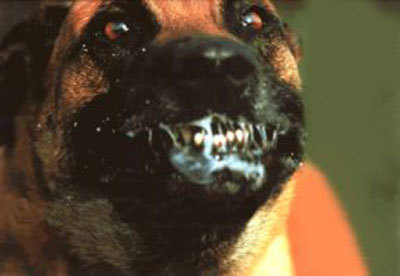
- Excessive salivation and foaming at the mouth
- Aversion to liquids; fear of water
- Violent delirium and mania with rage
- Respiratory paralysis; difficult breathing
- Wounds heal too rapidly, closing over infection
- Prolapse of uterus; vaginismus
- Clairvoyance; heightened mental acuity
Worse (aggravation)
Better (amelioration)

Lyssin. The nosode of rabies. Trituration of sugar of milk saturated with the saliva of a rabid dog. Triturations might also be made of Pasteur's strongest virus.
Clinical
Bubo. Clairvoyance. Convulsions. Corns, pains in. Diarrhœa. Dysentery. Fever. Hair, oiliness of. Headache. Hydrophobia. Hypersensitiveness. Landry's paralysis. Leucorrhœa. Lyssophobia. Mania. Nervousness. Neuralgia. Œsophagus, stricture of. Paralysis. Pregnancy, convulsions of; toothache of. Respiratory paralysis. Salivation. Satyriasis. Sciatica. Sunstroke. Tetanus. Ulcers. Uterus, prolapse of. Vaginismus. Wounds, too rapid healing of.
Characteristics
Hering was the first (1833) to prove, and to suggest the employment of this nosode in medicine; and of late years it has become notorious through the experiments of Pasteur. Pasteur's method of administration is very different from that employed by homœopaths, but he is working on homœopathic lines in seeking to neutralise a virus in the system by introducing a modification of the same virus. …
Classical texts are in the public domain. Educational reference only — not medical advice.
