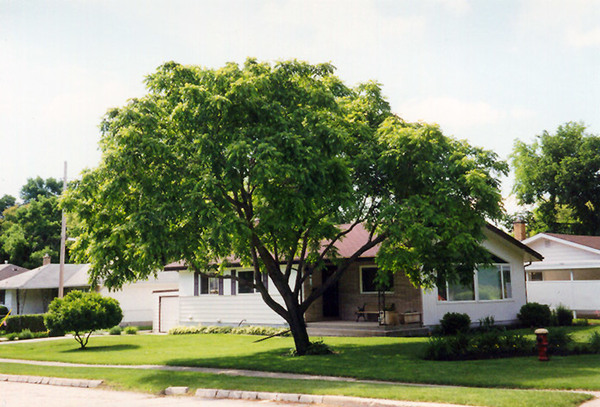
Juglans cinerea
Plant · Juglandaceae
Juglans cinerea suits patients with sluggish liver function manifesting as jaundice and skin eruptions due to faulty elimination. The remedy picture is dominated by bilious complaints, liver dysfunction, and skin conditions with characteristic occipital headache. It is suited to conditions where hepatic insufficiency leads to systemic toxemia expressed through the skin and digestive tract.
Key symptoms
- Sharp occipital headache associated with liver disturbances
- Jaundice with pain about liver and right scapula
- Faulty elimination producing skin eruptions and jaundice
- Feeling as if all internal organs were too large, especially left side
- Itching and pricking of skin when heated
- Eczema especially on lower extremities, sacrum and hands
- Yellowish-green stool with tenesmus and burning at anus
- Cholelithiasis
Worse (aggravation)
- Heat
- Exertion
- Evening

Butternut
A faulty elimination that produces jaundice and various skin eruptions, is pictured by this drug. The sharp, occipital headache, usually associated with liver disturbances, is very characteristic. Pain in chest, axilla and scapula, with suffocative sensation. Feeling as if all internal organs were too large, especially those of left side. Cholelithiasis.
Head
Dull, full head. Eruption on scalp. Sharp, occipital headache. Head feels enlarged. Pustules on lids and around eyes.
Nose
Tingling in nose; sneezing. Coryza, preceded by pain under sternum, with threatening suffocation. Later, copious, bland, thick mucous discharge.
Mouth
Acrid feeling in mouth and throat. Soreness in region of tonsils externally. Dryness of root of tongue and fauces.
Stomach
Atonic dyspepsia with much eructation and flatulent distention. Soreness in region of liver.
Back
Muscles of neck rigid, lame. Pain between scapula and under right. Pain in lumbar vertebræ.
Skin
Red, like flush of scarlatina. Jaundice, with pain about liver and right scapula. Itching and pricking when heated. Pustules. Eczema, especially on lower extremities, sacrum and hands. Erythema and erysipelatous redness.
Stool
Yellowish-green, with tenesmus and burning at anus. Camp diarrhœa.
Modalities
Better, getting heated, exercise, scratching, on rising in morning. Worse, walking.
Relationship
Compare: Juglandin (duodenal catarrh; bilious diarrhœa); Chelidon; Bryon; Iris.
Dose
Tincture, to third potency.

Juglans cathartica. Butternut. (U.S.A.) N. O. Juglandaceæ. Tincture of bark of root. Triturations of the resinoid Juglandin.
Clinical
Acne. Angina pectoris. Axilla, pain in. Chest, pain in. Coryza. Ecthyma. Eczema. Erysipelas. Erythema nodosum. Headache. Herpes. Hydrothorax. Impetigo figurata. Lichen. Migraine. Pemphigus. Ringworm. Rodent ulcer. Scapula, pain in. Scarlatina. Tetters. Vision, lost.
Characteristics
The Butternut and the Black Walnut (Juglans nigra) are the American representatives of the Walnut family. J. ciner. and Juglans regia, or Nux juglans, have both been proved and studied. With both the digestion is first disordered, and with this other symptoms, as headache, occur. These run an acute course and then skin affections manifest themselves, and these run a chronic course (Clotar Willer, quoted by Hale). Before the homœopathic provings were made Jug. c. had a reputation as a mild cathartic and was successfully used in camp diarrhœa and dysentery in the early American wars. …
Classical texts are in the public domain. Educational reference only — not medical advice.
