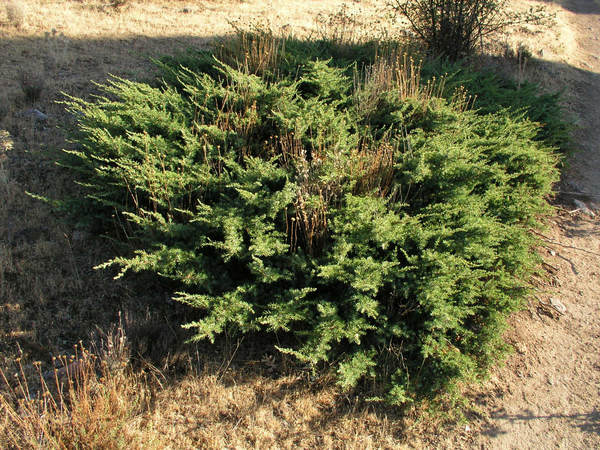
Juniperus communis
Juniper. · Plant · Cupressaceae
Classically this remedy has a reputation for increasing urine production, and is used to treat water retention, possibly with advanced kidney disease. The urine may contain blood and have a strange scent of violets, and there may be a feeling of heaviness in the region of the kidneys. Juniper is also used separately as a stimulant for the uterine muscles and to ease menstrual pain. It is usually given as a tincture rather than in tablet form.
Key symptoms
- Catarrhal inflammation of kidneys with chronic pyelitis
- Dropsy with suppression of urine
- Strangury; bloody, scanty urine with violet odor
- Weight and pain in kidney region
- Cough associated with scanty, loaded urine
- Profuse fluent coryza with constant sneezing
- Loss of smell and taste with coryza
- Old persons with poor digestion and scanty urine
- Prostatic discharge; renal hyperaemia
- Dry cough from sternal region spreading over chest
Worse (aggravation)
Better (amelioration)

Juniper Berries
Catarrhal inflammation of kidneys. Dropsy, with suppression of urine. Old persons, with poor digestion and scanty secretion of urine. Chronic pyelitis.
Urinary
Strangury; bloody, scanty urine, violet odor (Tereb). Weight in kidney region. Prostatic discharge. Renal hyperæmia (Eucalyptol).
Respiratory
Cough with scanty, loaded urine.
Relationship
Compare: Sabina; Juniperus Virginianus-Red Cedar--(Violent tenesmus vesical. Persistent dragging in back; hyperæmia of the kidneys; pyelitis and cystitis; dropsy of the aged with suppressed urine. Dysuria, burning, cutting pain in urethra when urinating. Constant urging apoplexy, convulsions, strangury, uterine hæmorrhage). Terebinthina.
Dose
Best form is the infusion. One ounce to a pint of boiling water. Dose, one-half to two ounces, or tincture, one to ten drops.
Highly efficacious medicine for acute catarrhal conditions of the respiratory tract (used in the beginning)
Head
Irritable, sensitive to external impressions; hot, full and heavy head; lachrymation, with coryza, profuse, fluent, with constant sneezing; loss of smell and taste; coryza with cough.
Throat
Dry, pain during empty swallowing, tenacious mucus. Mouth dry.
Respiratory
Dry cough from sternal region all over chest. Hoarseness, larynx painful. Paroxysmal cough, with suffocative obstruction of respiration. Cough with sneezing. Severe dyspnœa with cough. Tightness across chest. Asthmatic attacks, cannot endure a close, warm room. Whooping-cough.
Relationship
Seems to come between Cepa and Euphrasia, which compare.
Dose
Third potency and higher. Severe aggravation have been noticed from lower potencies.

Juniperis communis. Juniper. N. O. Gymnospermæ of the Coniferæ. Tincture of fresh ripe berries.
Clinical
Dropsy. Dysmenorrhœa. Hæmorrhages.
Characteristics
Juniper has not been proved, but sufficient is known of its action to warrant its inclusion, and to show the analogy between its action and that of J. Sabina. Gin owes its distinctive properties to the oil of juniper berries, and that is why this spirit is in such popular repute as a remedy for dysmenorrhœa. It has a very powerful action on the kidneys, and has cured cases of renal dropsy. Hale also commends it in certain coughs with scanty, loaded urine. He says German doctors use Juniper much in gastric affections, abdominal flatulence and colic.
Classical texts are in the public domain. Educational reference only — not medical advice.
