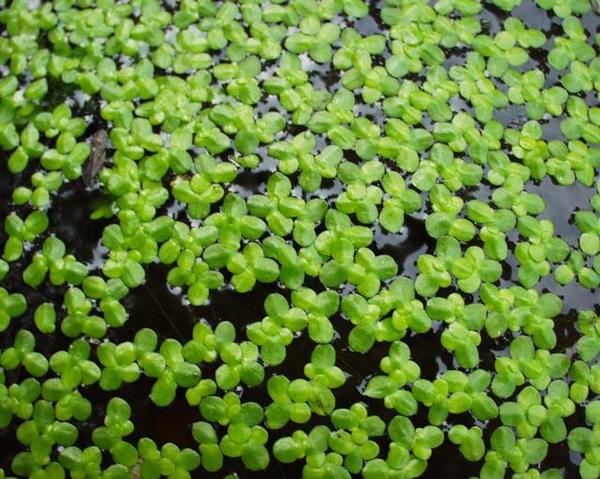
Lemna minor
Plant · Araceae
Lemna Minor acts especially upon the nostrils and is suited to patients with chronic catarrhal affections of the upper respiratory tract. The hallmark is putrid smell and taste with abundant crusts and nasal obstruction from polypi or oedematous swollen turbinates. Asthma arising from nasal blockage responds well.
Key symptoms
- Nasal polypi with swollen turbinates
- Atrophic rhinitis with putrid smell and loss of smell
- Abundant crusts and muco-purulent nasal discharge
- Post-nasal dropping
- Pain like a string from nostrils to ear
- Dryness of naso-pharynx
- Asthma from nasal obstruction
- Putrid taste on rising in morning
Worse (aggravation)
- Damp, rainy weather especially heavy rains

Duckweed
A catarrhal remedy. Acts especially upon the nostrils. Nasal polypi; swollen turbinates. Atrophic rhinitis. Asthma from nasal obstruction; worse in wet weather.
Nose
Putrid smell; loss of smell. Crusts and muco-purulent discharge very abundant. Post-nasal dropping. Pain like a string from nostrils to ear. Reduces nasal obstruction when it is an œdematous condition. Dryness of naso-pharynx.
Mouth
Putrid taste on rising in the morning. Dry pharynx and larynx.
Abdomen
Disposition to noisy diarrhœa.
Modalities
Worse, in damp, rainy weather, especially heavy rains.
Relationship
Compare: Dulc (damp surroundings and foggy weather). Calc; Teucr; Calend; Nat sulph.
Dose
Third to thirtieth potency.

Duckweed. N. O. Lemnaceæ or Pistiaceæ. Tincture of the whole fresh plant.
Clinical
Asthma. Nose, affections of. Ozæna. Polypus. Rhinitis atrophica.
Characteristics
We owe this remedy, the common duckweed, with its brilliant green leaf and bladder-like float, to Dr. Cooper. Some tentative clinical experiments proved to him that Lemna had a very definite affinity for the nose, acting beneficially in cases of nasal obstruction and catarrh with or without polypus. Foul smell from the nose and foul taste in the morning on waking are indications; also < in damp weather, and especially in heavy rains. Burnett has recorded several cases of polypus in which immense relief was given by Lemna by shrinkage of the swelling, but not actual cure. On this Cooper remarks: "In bad cases of nasal polypi the tendency is to the growths filling up the cavities formed by removal, and, consequently, relief often appears temporary, when the case only requires repetition of the Unit Dose." Asthma from nasal obstruction < in wet …
Classical texts are in the public domain. Educational reference only — not medical advice.
