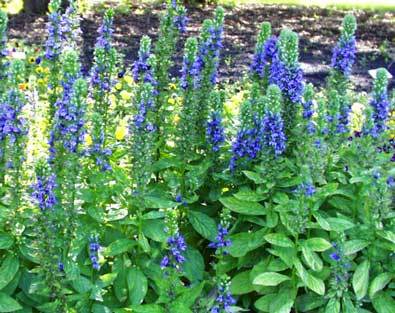
Lobelia syphilitica
Plant · Campanulaceae
Lobelia syphilitica is indicated in individuals with pronounced melancholia specifically associated with pain in the posterior left lower rib or spleen region. A history of suppression is a leading indication. The remedy suits those with postnasal catarrh, spinal rigidity, and wandering pains that travel and radiate from back through the extremities.
Key symptoms
- Great depression of spirits associated with pain about and under the short ribs posteriorly on the left
- Pains in posterior aspect of spleen region with unhappy mental state
- Pains travelling from right to left and from back down legs
- Marked postnasal catarrh with unhealthy soft swollen easily bleeding mucosa
- Dull aching pain in centre of forehead over root of nose
- Great rigidity of spine; least motion extremely painful
- Dyspeptic stomach cough; larynx feels stretched to bursting on sneezing
- Sinking in stomach followed by borborygmi; dyspepsia better cold water
Worse (aggravation)
- Touch (soreness of ischium)
- Motion
- Deep inspiration
- Mental exertion; reading and writing (forehead pain)
- Inhaling moderately cool air
- After dinner; at night
- After weeping (pain under left scapula)
Better (amelioration)
- Drinking cold water (gastric symptoms, temporarily)
- Open air (flushing after dinner)
- Secretion of thick mucus (throat soreness)

Lobelia syphilitica. L. cœrulia. Great Blue Lobelia. (Grows in low grounds in U.S.) N. O. Lobeliaceæ. Tincture of fresh plant. Acetum.
Clinical
Acidity. Adenoids. Asthma. Back, pains in. Borborygmi. Cartilages, pains in. Catarrh. Coryza. Cough. Dyspepsia. Eustachian catarrh. Flatulence. Hay-fever. Influenza. Kidneys, pains in. Lumbago. Melancholia. Post-nasal catarrh. Pylorus, pain in. Sciatica. Spine, pains in. Spleen, affections of. Stomach cough. Throat, sore.
Characteristics
The symptoms of the Lob. syph. proving, whilst in many points analogous to those of the other Lobelias, do not bring out the emetic properties of Lob. inflata. There is, however, epigastric sinking, flatulence, dyspepsia, and diarrhœa. Lob. card., Lob. inf., and Lob. syph. all have a milky juice. Hale quotes Rafinesque as saying that the analysis of Lob. syph. shows it to contain Silex, Iron, and Muriate and Phosphate of Lime. The marked action of Lob. syph. on the posterior nares led Cooper to use it with success in cases …
Classical texts are in the public domain. Educational reference only — not medical advice.
