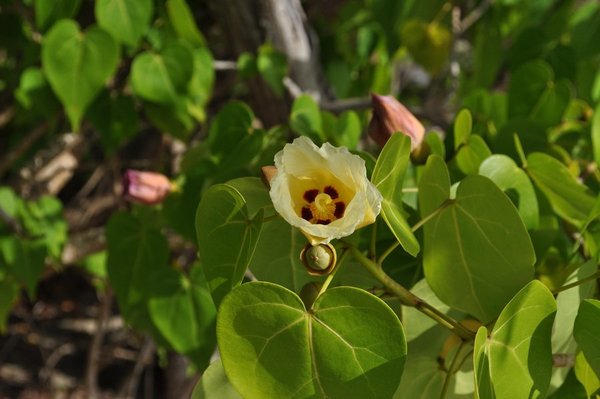
Mancinella
Hippomane mancinella · Manchineel, manzanilla, Beach apple,Hippomane mancinella · Plant · Euphorbiaceae
Mancinella is used primarily for mental rather than physical symptoms. It is most appropriate for people who fear that they may become insane and lose control of their minds, due to the intrusion of evil thoughts or possession by evil spirits. Their feelings are intensified by watching horror movies, and their anxieties may become obsessive or even lead to a psychological breakdown. An advanced breakdown may cause the memory to deteriorate, with forgetfulness from one minute to the next. Mancinella is also prescribed for confused feelings about sexuality that are bound up with the fear of being possessed by evil spirits, especially if these feelings occur during puberty or the menopause.
Physical symptoms typically associated with Mancinella include skin problems such as dermatitis. They are generally accompanied by an oozing, sticky serum, which may form crusts or blisters, or stinging blisters on the soles of the feet, with acrid, sticky foot perspiration.
The sense of smell may be affected by strange illusions, such as phantom smells of gunpowder or dung. There may be a peppery, burning sensation in the mouth, along with a taste of blood and copious yellow saliva.
Key symptoms
- Large blisters as from scalds; intense erythema and vesicles with sticky serum
- Heavy, brown crusts and scabs; pemphigus
- Fear of becoming insane; sudden vanishing of thought
- Mental depression at puberty and climacteric with exalted sexuality
- Icy coldness of hands and feet; pain in thumb
- Burning of fauces; dysphagia from constriction of throat and esophagus
- Continual choking sensation rising from stomach; vomiting and gripping
- Hair falls out after acute sickness
Worse (aggravation)
Better (amelioration)

Hippomane-Manganeel Apple
Skin symptoms most marked. Dermatitis, with excessive vesiculation, oozing of sticky serum and formation of crusts. To be remembered in mental depressed states at puberty and at climacteric, with exalted sexuality (Hering). Loss of vision. Pain in the thumb.
Mind
Silent mood, sadness. Wandering thoughts. Sudden vanishing of thought. Bashful. Fear of becoming insane.
Head
Vertigo; head feels lights, empty. Scalp itches. Hair falls out after acute sickness.
Nose
Illusions of smell; of gunpowder, dung, etc. Pressure at root of nose.
Mouth
Feels peppery. Copious, offensive saliva. Taste of blood. Burning of fauces. Dysphagia from constriction of throat and œsophagus.
Stomach
Continual choking sensation rising from stomach. Vomiting of ingesta, followed by gripping and copious stools. Burning pains and black vomit.
Extremities
Icy coldness of hands and feet. Pain in thumb.
Skin
Intense erythema. Vesicles. Fungoid growths. Erysipelas. Large blisters, as from scalds. Heavy, brown crusts and scabs. Pemphigus.
Relationship
Compare: Croton; Jatropha; Canth; Anacard.
Dose
Sixth to thirtieth potency.

Hippomane mancinella. Manchineel. Manzanillo. N. O. Euphorbiaceæ. Tincture of fruit, leaves, and bark.
Clinical
Asthma. Blindness. Borborygmus. Cholera infantum. Colic. Diphtheria. Eyes, affections of; inflammation of. Hair falling out. Headache. Nervous affections. Œsophagus, stricture of. Scarlatina anginosa. Sore throat. Stomatitis. Tongue, patched. Typhoid fever.
Characteristics
Manc. is a species of the Euphorbiaceæ, and has all the virulent properties of the family in a high degree. It is one of the trees around which the upas legends have clustered. "It is certain that the juice, which resembles pure white milk, does possess a considerable amount of acridity, and that some persons suffer great pain from incautiously handling it. . . . Perhaps its most dangerous property is that of causing blindness, if by chance the least drop of the milk, or smoke of the burning wood, comes in contact with the eyes. Dr. Seeman states that at Veraguas some of the ship's carpenters were blinded for several days by the …

Phatak's chapter on Mancinella is available in the app.
Read Phatak in the appClassical texts are in the public domain. Educational reference only — not medical advice.
