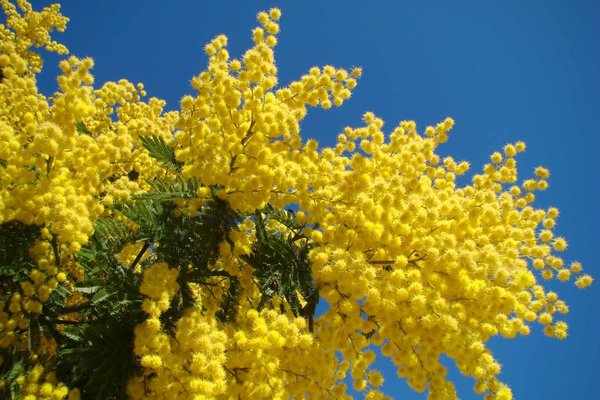
Mimosa
Plant · Fabaceae
The remedy in this source entry (Mitchella repens) suits women with pelvic congestion and urinary irritation occurring together as a consistent pairing. The leading indication is uterine congestion accompanied by bladder irritation. It shows affinity with haemorrhage-controlling remedies through its Rubiaceae family membership.
Key symptoms
- Congestion of uterus with bladder irritation as concomitant
- Burning and pain in kidneys
- Dysmenorrhoea and urinary complaints in women
- Severe frontal headache on waking
- Inability to concentrate mind; depression followed by buoyancy
- Scalp sensitive to touch
Better (amelioration)
- Movement (numbness of arm ceases on movement)

Mimosa humilis. Sensitive Plant. N. O. Leguminosæ. Tincture of leaves.
Clinical
Ankles, swelling of. Conjunctivitis, rheumatic. Rheumatism.
Characteristics
Mimosa is one of the remedies introduced and proved by Mure. The most notable symptoms were lancinations in the back and limbs, and "swelling and redness of left ankle with tension and lancination." This last symptom has been confirmed. The "sensitive plant" of our hothouses is M. Pudica, but the leaves of M. humilis, says Mure, "close at the least contact."
1. Mind
Indolent indifference.
2. Head
Sensation: of heat in head; as if enlarged.
3. Eyes
Inflammation of eyes; of l. eye.─Itching.─Vision dim halo round candle.
Classical texts are in the public domain. Educational reference only — not medical advice.
