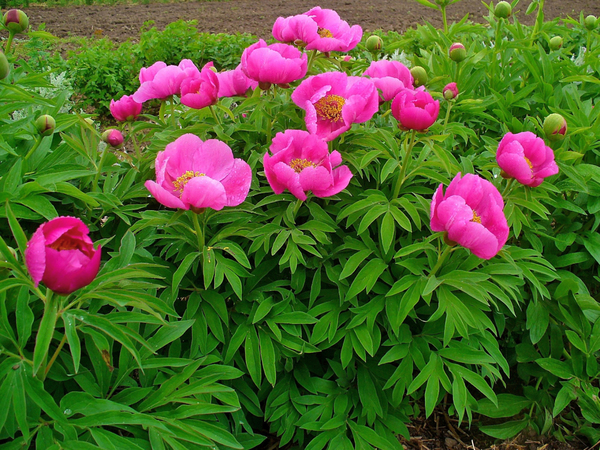
Paeonia officinalis
Peony · Plant · Paeoniaceae
This remedy is given mostly for problems in the rectum and anus such as fissures and hemorrhoids, although it may also help to treat terrifying nightmares, particularly those involving ghosts. It is used for intense, burning pain in the anus during and after passing stools, followed by a chilly sensation. The pain may be very severe during the night and eased only by walking, rolling on the floor, or lying for hours with the buttocks spread apart.
Key symptoms
- Hemorrhoids, fissures, ulceration of anus and perineum, purple, covered with crusts
- Atrocious pains with and after each stool
- Burning in anus after stool, then internal chilliness
- Painful ulcer oozing offensive moisture on perineum
- Chronic ulcers on lower parts of body, leg, foot, toe, breast, and rectum
- Terrifying dreams and nightmare
Worse (aggravation)
Better (amelioration)

Peony (PAEONIA)
The rectal and anal symptoms are most important. Chronic ulcers on lower parts of body, leg, foot, toe, also breast, rectum.
Head
Rush of blood to head and face. Nervous. Vertigo when moving. Burning in eyes and ringing in ears.
Rectum
Biting, itching in anus; orifice swollen. Burning in anus after stool; then internal chilliness. Fistula ani, diarrhœa, with anal burning and internal chilliness. Painful ulcer, oozing offensive moisture on perineum. Hæmorrhoids, fissures, ulceration of anus and perineum, purple, covered with crusts. Atrocious pains with and after each stool. Sudden, pasty diarrhœa, with faintness in abdomen.
Chest
Sticking pain in left chest. Heat in chest. Dull shooting from front to back through heart.
Extremities
Pain in wrist and fingers; knees and toes. Weakness of legs, inhibiting walking.
Sleep
Terrifying dreams, nightmare.
Skin
Sensitive, painful. Ulcers below coccyx, around sacrum; varicose veins. Ulcers in general, from pressure, bedsores, etc. Itching, burning, as from nettles.
Relationship
Compare: Glechoma-Ground Ivy--(rectal symptom). Hamam; Sil; Aesc; Ratanh (great constriction of anus; stools forced with great effort).
Antidotes: Ratanh; Aloe.
Dose
Third potency.

Pæonia officinalis. Peony. N. O. Ranunculaceæ. Tincture of the fresh root dug in spring (in autumn the root is said to be inert).
Clinical
Anus, fissure of; fistula of; affections of. Bed-sores. Breast, ulceration of. Ciliary neuralgia. Coccyx, ulcer on. Hæmorrhoids. Headache. Head, rush of blood to. Nightmare. Perineum, ulcer on. Sternum, pain in. Ulcers. Varicose veins. Vertigo.
Characteristics
Pæonia belongs to the great order of Ranunculaceæ, which includes the Aconites, Actæas, and Hellebores. The proving brings out many symptoms of congestion─rush of blood to head, face, chest; burning heat and redness of eyes and face; burning, itching, and swelling of anus; heat in throat; in skin. The symptoms are well characterised, but it is principally the anal and skin symptoms which have been verified in practice. One of the symptoms of the proving is this: "A small ulcer on perineum near anus that constantly oozes very offensive moisture; painful for eight days." This symptom has been expanded by …

Phatak's chapter on Paeonia officinalis is available in the app.
Read Phatak in the appClassical texts are in the public domain. Educational reference only — not medical advice.
